
Latest Articles

Discover expert insights on advanced aesthetic procedures and the best solutions for achieving youthful, glowing skin.

No more posts

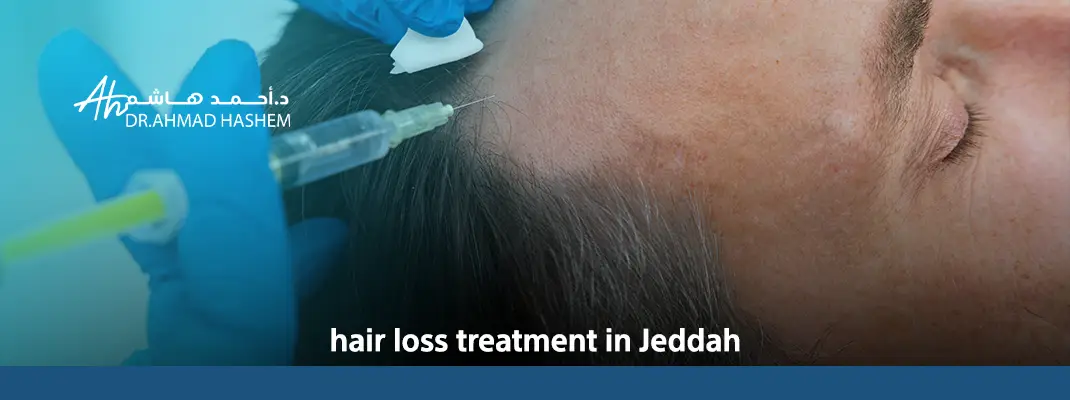
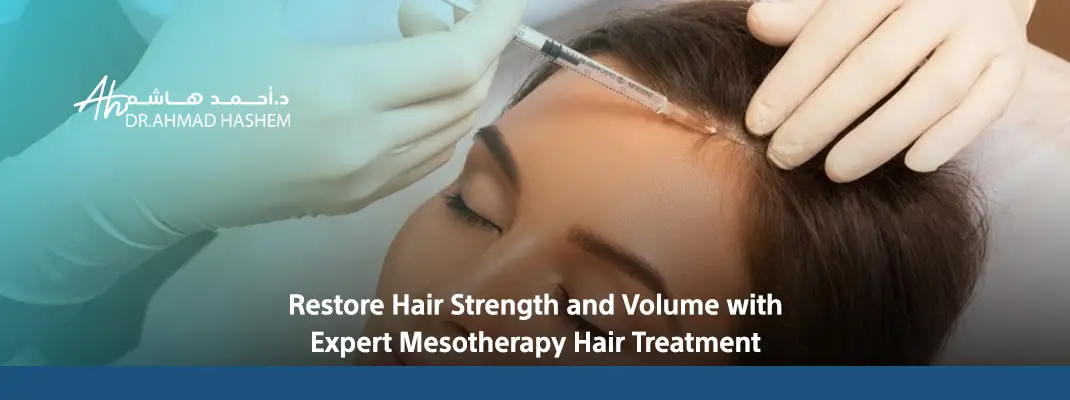
hair-loss-treatment-in-Jeddah.webp

3 June، 2026 Blogs0

Dealing with thinning hair or a receding hairline can significantly impact your self-confidence and peace of mind. Fortunately, modern trichology and aesthetic dermatology offer highly effective, scientifically proven medical solutions to reverse thinning and stimulate new growth. Finding a comprehensive, medical-grade hair loss treatment in Jeddah allows patients to address the root causes of shedding and achieve long-term, natural hair density.

When Does Hair Loss Need Medical Attention?

Understanding when normal shedding shifts into a clinical condition is the first step toward effective restoration. Dermatologists look for specific baseline shifts in hair volume and scalp health to determine if an immediate therapeutic intervention is required.

Normal daily shedding vs excessive hair loss

It is clinically normal to shed between 50 to 100 hairs per day as part of the natural hair growth cycle. However, when you begin to notice clumps of hair on your pillow, in the shower drain, or a visible widening of your hair part, it is a clear sign that you need a professional hair thinning treatment to halt progressive loss.

Warning signs such as itching, redness, flakes, or scalp irritation

Hair shedding accompanied by physical symptoms should never be ignored. If your hair loss is paired with persistent itching, redness, stubborn flakes, or general scalp irritation, you likely require a targeted scalp treatment Jeddah specialists use to clear underlying dermatological conditions before hair regrowth can occur.

Why early diagnosis improves treatment planning

The sooner you investigate the root cause of your shedding, the higher the chances of fully recovering dormant hair follicles. Early medical intervention prevents permanent follicle miniaturization, making your custom hair regrowth treatment significantly more effective and faster in delivering visible density.

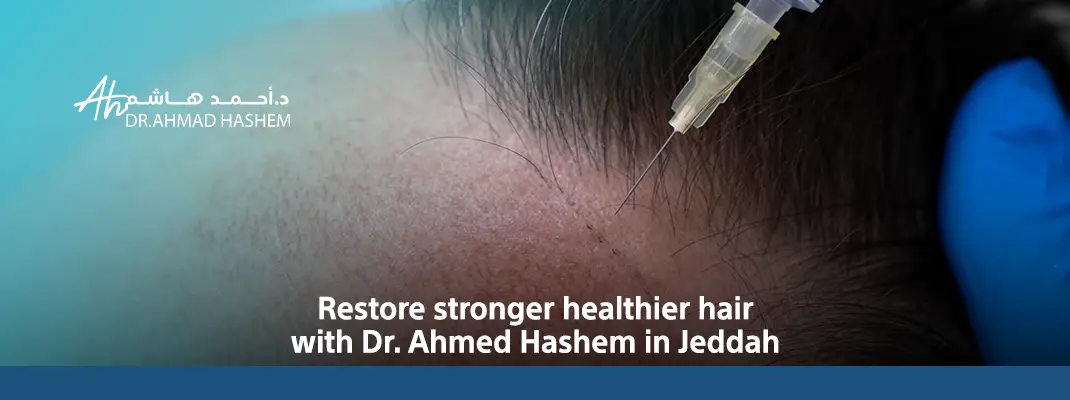
Restore stronger healthier hair with Dr. Ahmed Hashem in Jeddah

Common Causes of Hair Loss in Men and Women

Hair loss is rarely triggered by a single factor; it is typically an intersection of genetic predispositions, systemic changes, and external influences. Identifying the precise biological trigger is essential to halt active shedding effectively.

Genetic hair loss and androgenetic alopecia

The most frequent driver of progressive thinning is hereditary. For individuals suffering from genetic thinning, seeking a specialized androgenetic alopecia treatment is crucial to block the hormonal triggers (like DHT) that cause hair follicles to shrink and eventually stop producing hair.

Hormonal changes and thyroid problems

The endocrine system plays a massive role in regulating follicle cycles. Imbalances in thyroid hormones, fluctuations during menopause, or conditions like Polycystic Ovary Syndrome (PCOS) can disrupt healthy growth, necessitating a medical-led approach at a dedicated hair loss clinic Jeddah patients trust for hormonal hair management.

Stress-related hair shedding

Severe emotional or physical stress can shock your system, pushing a massive number of hair follicles prematurely into the resting phase. This condition, known as Telogen Effluvium, results in sudden, widespread shedding a few months after the stressful event.

Nutritional deficiencies

Your hair follicles are among the most metabolically active structures in your body. Deficiencies in essential vitamins and minerals—such as Iron (Ferritin), Vitamin D, Zinc, and B12—starve the roots, leading to chronic, diffuse shedding.

Scalp infections and inflammation

Conditions like seborrheic dermatitis, fungal infections, or scalp psoriasis trigger severe localized inflammation. This inflammatory response disrupts the follicle anchors, causing hair to shed easily from the root.

Hair damage from heat or chemical treatments

Frequent chemical processing, bleaching, keratin treatments, and tight hairstyles (traction alopecia) physically weaken the hair shaft and can scar the scalp, leading to self-induced hair thinning.

Hair Loss in Saudi Arabia: Climate, Lifestyle, and Scalp Health

The geographical environment and regional living habits play a significant role in modern trichology. Patients living in the Gulf region often experience localized scalp stressors that require specialized preventative care.

Heat, humidity, and sweat buildup

The harsh environmental conditions in the region present unique challenges for scalp health. High heat and extreme humidity lead to excessive sweating and sebum production, creating a buildup that clogs follicles and alters the scalp microbiome if not managed correctly.

Sun exposure and scalp sensitivity

Intense UV radiation can damage the protective protein barrier of the hair and cause sunburn on exposed scalp areas, leading to acute sensitivity, inflammation, and follicular weakness.

Stress, diet, and lifestyle factors

Modern fast-paced lifestyles, indoor air conditioning, and diets lacking essential micronutrients can exacerbate hereditary hair thinning, making lifestyle modifications an essential pillar of any successful recovery plan.

Why personalized care matters for Saudi and Arab hair types

Arab hair types often possess distinct structural characteristics, demanding specialized clinical protocols. Whether addressing a coarse texture or specific genetic patterns, choosing an individualized hair loss treatment Jeddah protocol ensures that your unique scalp and hair characteristics are carefully respected.

Hair Restoration Treatments Available in Jeddah

Our clinical facility utilizes a comprehensive spectrum of evidence-based modalities designed to target hair loss from multiple cellular levels, ensuring both internal nourishment and external follicle stimulation.

Medical scalp assessment

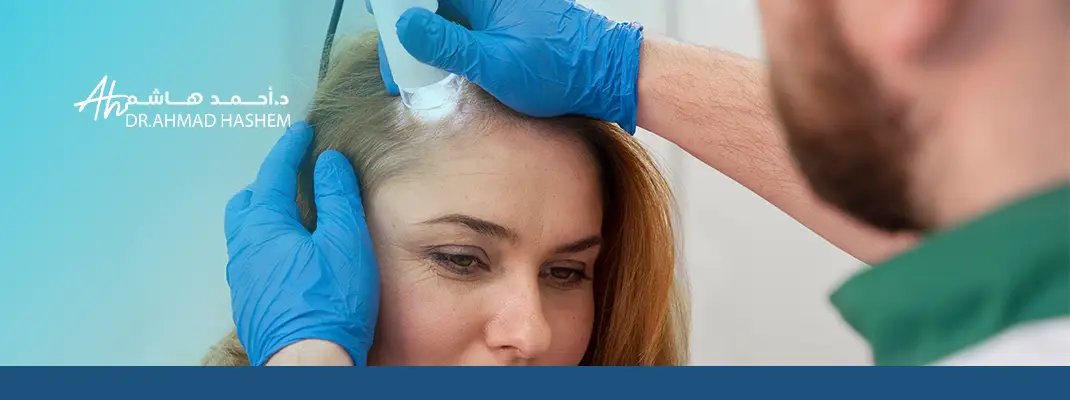
Every successful clinical journey begins with a meticulous diagnostic phase. We utilize advanced trichoscopy to evaluate the health of your scalp, calculate follicle density, and accurately rule out scarring disorders.

Injection therapy for hair growth support

This localized clinical technique delivers highly concentrated active ingredients directly into the root layer, bypassing the digestive system to wake up resting follicles instantly.

Hair mesotherapy

To nourish starved roots, undergoing a tailored session of hair mesotherapy provides a potent cocktail of vasodilators, amino acids, and coenzymes directly to the scalp matrix to boost vascular microcirculation.

PRP-style regenerative treatment planning if suitable

For patients looking to harness their body’s natural healing capabilities, utilizing a customized protocol of PRP for hair growth introduces highly concentrated autologous growth factors that repair damaged tissues and stimulate robust follicle multiplication.

Hair filler treatment

To structurally fortify thinning strands from within, a specialized hair filler treatment utilizing bio-mimetic peptides and hyaluronic acid is precisely micro-injected into the dermis to instantly volumize and strengthen weakening hair roots.

Vitamins and minerals programs

We complement clinical procedures with customized internal supplementation regimens, correcting proven systemic deficiencies to provide the building blocks required for optimal hair synthesis.

Hair transplant for advanced hair loss

When follicles have completely stopped producing hair and scar tissue has formed, non-surgical options may be limited. In these advanced clinical scenarios, undergoing a premium hair transplant Jeddah procedure offers a permanent, life-changing surgical solution to restore a completely natural hairline.

Non-Surgical Hair Loss Treatments

For individuals who wish to avoid surgery, clinical advancements offer highly effective regenerative therapies that rebuild hair density gradually, comfortably, and safely.

Who can benefit from non-surgical treatments?

Non-surgical protocols are exceptionally effective for individuals dealing with early to moderate thinning, diffuse hair shedding, or those looking to preserve their existing hair before considering surgical interventions.

Best options for early thinning

Catching hair loss in its early stages allows us to utilize non surgical hair restoration techniques to successfully reverse follicle miniaturization, resulting in thicker hair strands without an invasive surgical recovery phase.

How sessions are planned over time

Regenerative treatments cannot be accomplished in a single visit. Sessions are meticulously spaced out—typically every 2 to 4 weeks during the initial loading phase—to continuously stimulate the hair cycles.

Maintenance after improvement

Once your desired hair density treatment is successfully achieved, the clinic transitions you to a customized, low-frequency mare intenance routine to protect your results from future genetic or environmental shedding.

Hair Transplant vs Non-Surgical Hair Restoration

Navigating the choice between a surgical procedure and non-invasive therapy depends heavily on the survival status of your hair roots and the overall extent of the balding area.

When non-surgical treatments may be enough

If your hair follicles are still active but simply producing thin, weak hairs, non-surgical therapies can fully restore your native volume, completely eliminating the need for surgical hair grafts.

When hair transplant becomes a better option

If you present with smooth, completely bald patches or a severely receded hairline where follicles no longer exist, a surgical transplant is the only clinical modality capable of redistributing healthy hair to those bare areas.

Combining treatments before or after transplant

The most outstanding, natural-looking results are achieved through combination therapies. Administering targeted non-surgical scalp treatments before surgery optimizes the donor area, while post-transplant sessions accelerate graft healing and protect your remaining native hair.

Hair Loss Treatment for Men in Jeddah

Male pattern thinning follows distinct, aggressive anatomical pathways that require targeted medical management to slow down progression and rebuild lost density along masculine lines.

Receding hairline

Male pattern thinning typically manifests as a progressive recession along the temples, which can severely alter your facial symmetry if left untreated over time.

Crown thinning

Many men notice the first signs of hair loss at the vertex (crown) of the head, leading to an isolated bald spot that gradually expands to meet a receding front line.

Male pattern hair loss

Driven by genetic sensitivity to dihydrotestosterone (DHT), male pattern thinning requires a highly specific men’s hair loss treatment regimen to systematically block DHT and revitalize weak, shrinking follicles.

Men’s hairline restoration options

From advanced follicle micro-injections to precision graft positioning, we focus on rebuilding a strong, masculine, and anatomically accurate hairline that suits your age and facial structure seamlessly.

Hair Loss Treatment for Women in Jeddah

Female hair rejuvenation demands a sensitive, highly customized diagnostic approach, focusing primarily on stabilizing systemic health and restoring multi-directional density across the scalp.

Diffuse thinning

Unlike men, female hair loss rarely leads to complete baldness; instead, it presents as a widespread, diffuse thinning across the entire scalp, making a targeted women’s hair loss treatment vital to restore overall volume.

Postpartum hair loss

The drastic drop in estrogen levels after childbirth can trigger sudden, shocking shedding. Undergoing a specialized postpartum hair loss treatment helps stabilize the hair cycle, safely guiding dormant follicles back into the active growth phase.

Hormonal hair shedding

Whether due to stopping oral contraceptives or navigating perimenopause, hormonal fluctuations can trigger severe shedding that requires careful dermatological management to correct.

Hair density improvement plans

We design multi-modality density programs tailored for women, combining advanced hair mesotherapy Jeddah protocols with targeted peptide therapies to visibly thicken the hair part and restore lush volume.

How Dr. Ahmed Hashem Diagnoses Hair Loss

A scientific, medical-first approach ensures that we treat the root cause of your hair loss rather than simply masking the visible symptoms on the surface.

Scalp and hair examination

At our facility, your journey begins with an advanced clinical examination. We analyze the scalp surface under high magnification to determine follicle health and check for signs of hidden inflammation.

Medical history and lifestyle review

We conduct a comprehensive review of your medical history, recent lab work, medication use, stress levels, and daily haircare habits to identify all underlying triggers.

Identifying temporary vs progressive hair loss

Accurately distinguishing between a temporary shedding episode (like nutritional deficiencies) and a progressive, lifelong genetic condition is critical to avoiding wasted time and resources on ineffective remedies.

Choosing the right treatment plan

Once the precise diagnosis is established, a bespoke therapeutic roadmap is drawn up, combining the exact clinical sessions and at-home topicals your specific scalp condition requires.

How Many Sessions Are Needed for Hair Regrowth?

Biological cellular repair follows a strict physiological timeline. We map out your clinical sessions to align precisely with your body’s natural hair renewal phases.

Why results take time

Because human hair naturally grows at a rate of roughly 1 centimeter per month, patience is required. It typically takes 3 to 6 months of continuous physiological stimulation to see noticeable changes in length and thickness.

Session frequency and follow-up

An intensive protocol usually involves 4 to 6 initial sessions scheduled at regular intervals, followed by detailed progress evaluations using medical photography to track your hair density improvements.

What affects response to treatment

Your individual response depends on your age, the severity of your follicle miniaturization, compliance with home care, and underlying genetic or systemic health factors.

How to Maintain Hair Health After Treatment

Sustaining your newly achieved hair density requires a dedicated partnership between our clinical care and your daily, at-home maintenance habits.

Following Dr. Ahmed Hashem’s aftercare instructions

Adhering strictly to your dermatologist’s post-session guidance protects the treated scalp and ensures that active ingredients are completely absorbed by the roots.

Gentle hair care routine

Switch to sulfate-free, medical shampoos, use wide-tooth combs to prevent structural breakage, and never brush your hair aggressively while it is wet and vulnerable.

Nutrition, hydration, and scalp care

Maintain a balanced diet rich in clean proteins, healthy fats, and antioxidants, drink plenty of water daily, and keep your scalp clean and free from heavy product buildup.

Avoiding heat styling and harsh chemicals

Minimize the use of high-heat hair dryers, straighteners, and harsh chemical relaxers, as they degrade the hair’s structural integrity and can permanently damage delicate roots.

Hair Restoration Cost in Jeddah: What Affects the Price?

The financial investment required to fully restore your native hair density is entirely individualized, depending on the technological complexity and materials required for your treatment plan.

Cause and severity of hair loss

Early thinning requires fewer interventions compared to managing long-term, extensive balding.

Treatment type

Advanced peptide fillers or surgical grafts carry different price points compared to basic vitamin programs.

Number of sessions

Complex cases may necessitate an extended protocol to achieve optimal density.

Whether transplant is needed

Surgical operating theatre requirements alter the pricing structure compared to quick outpatient clinic sessions.

Restore stronger healthier hair with Dr. Ahmed Hashem in Jeddah

Why Choose Dr. Ahmed Hashem for Hair Loss Treatment in Jeddah?

Dermatological hair restoration requires an intricate blend of medical knowledge, state-of-the-art clinical technology, and an eye for natural facial symmetry.

Dermatologist-led diagnosis

Choosing the Dr. Ahmed Hashem clinic ensures that your scalp health is managed through an elite medical lens. We prioritize finding the biological “why” behind your shedding before initiating any therapeutic steps.

Personalized treatment plans

We strictly avoid generic, one-size-fits-all packages. Every patient receives a completely custom therapeutic roadmap engineered to address their specific hair loss severity and lifestyle needs.

Advanced hair restoration options

Our clinic utilizes the latest, internationally approved medical innovations in trichology—ranging from premium peptide complexes to advanced hair restoration Jeddah devices—delivering exceptional safety and high success rates.

Support from consultation to follow-up

We provide continuous medical support throughout your entire hair recovery journey, closely monitoring your progress and adjusting your treatment plan at every milestone to ensure the best possible aesthetic outcome.

Book Your Hair Loss Consultation in Jeddah

You do not have to accept progressive hair thinning as an inevitability. Take control of your hair health and restore your natural confidence with a scientifically backed, doctor-led treatment plan.

Book Your Consultation at Dr. Ahmed Hashem Jeddah Clinicto undergo a comprehensive trichoscopic scalp analysis and begin your personalized journey toward thicker, healthier, and fully restored hair today.


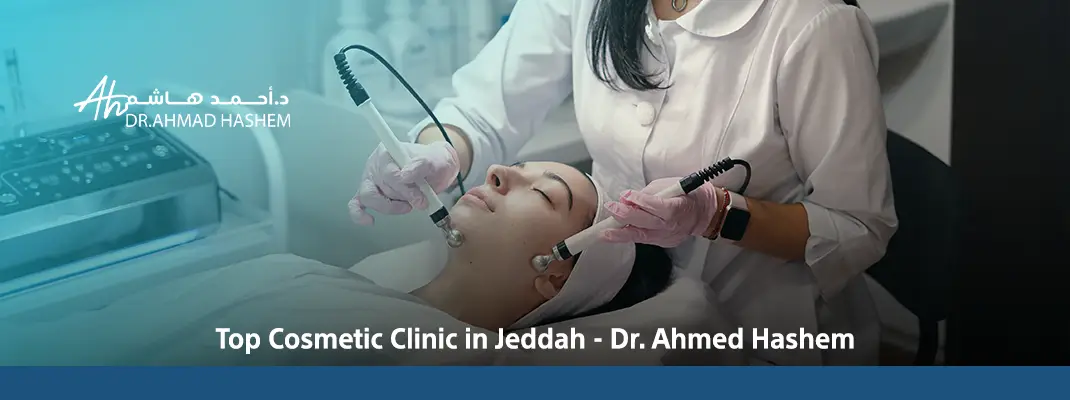
non-surgical-face-lift-Jeddah.webp

2 June، 2026 Blogs0

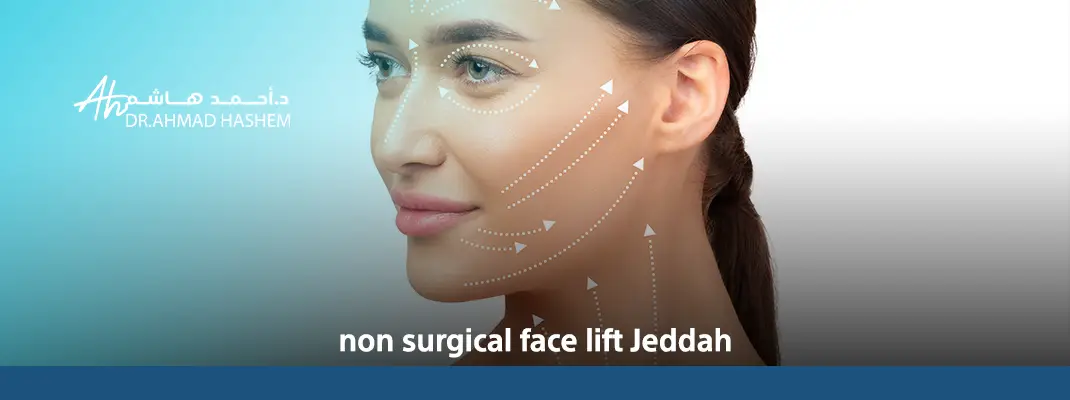
Non-surgical face lift Jeddah combines technologies like HIFU (Ultherapy/Ulthera Prime), PDO threads, Endolift, and dermal fillers. These minimally invasive, zero-to-low downtime treatments are designed to stimulate collagen, tighten skin, and restore volume naturally. 

At the Dr. Ahmed Hashem clinic, we combine medical expertise with advanced aesthetic technologies to deliver tailored treatments that restore your youth while preserving your natural beauty.

What Is a Non-Surgical Face Lift?

A non-surgical face lift refers to a customized combination of minimally invasive, medical-grade treatments designed to rejuvenate, lift, and refresh the facial structures without the need for incisions, general anesthesia, or prolonged hospital stays.

How non-surgical lifting improves sagging and facial definition

Unlike traditional surgery that simply cuts and pulls loose skin, non-surgical alternatives work from the inside out. They target the deep structural layers of the skin—including the SMAS (Superficial Muscular Aponeurotic System)—to stimulate new collagen production, restore lost volume, and provide precise jawline contouring Jeddah residents seek for a sharper, more youthful facial profile.

The difference between surgical and non-surgical face lifting

While a surgical facelift physically removes excess skin and offers permanent structural changes, it carries risks of scarring, infection, and weeks of painful recovery. Conversely, getting a non surgical facelift Jeddah option utilizes advanced energy-based devices and injectables to tighten skin, lift tissues, and refine contours subtly, safely, and with virtually zero downtime.

Why does diagnosis matter before choosing a treatment?

Every face ages differently depending on bone structure, skin thickness, and genetics. A thorough clinical diagnosis by a qualified dermatologist ensures you achieve optimal results through the following points:

  • Understanding Unique Aging Patterns: Aging is rarely uniform; some faces experience volumetric deflation (fat loss), while others suffer from structural tissue laxity (sagging) or muscular hyperactivity. A precise medical diagnosis identifies your specific aging driver, preventing the use of volume-adding fillers when the face actually requires deep structural lifting.
  • Preventing Financial and Time Waste: Skipping a professional assessment often leads to choosing mismatched treatments based solely on marketing trends. A customized clinical evaluation ensures you do not waste resources on superficial skin treatments if your anatomy requires deeper SMAS-layer targeting.
  • Customizing Energy Settings for Devices: Advanced non-surgical platforms like HIFU or Ultraformer are highly operator-dependent. Accurate mapping allows the dermatologist to calibrate the exact energy depth (1.5mm, 3.0mm, or 4.5mm) and thermal intensity suited to your skin thickness, maximizing collagen remodeling while completely avoiding underlying nerve pathways.
  • Ensuring Precise Injectable and Thread Placement: For treatments involving dermal fillers or thread lifting, a pre-procedural anatomical assessment determines the exact vector lines for lifting. This ensures that bio-absorbable threads or fillers are anchored into the correct subcutaneous planes, avoiding facial asymmetry or unnatural expressions.
  • Identifying Medical Contraindications Early: A detailed diagnostic consultation reviews your medical history, skin conditions, and any previous cosmetic procedures. This screening is vital to rule out active skin infections, keloidal tendencies, or healing impairments before initiating any deep-tissue thermal or physical lifting treatment.
  • Lift and contour your face naturally with Dr. Ahmed Hashem now 02

Who Is a Good Candidate for Non-Surgical Face Lifting?

Non-surgical rejuvenation yields highly satisfying, natural-looking results when performed on the right patient at the right time.

Mild to moderate skin laxity

The ideal candidates are individuals noticing the early to moderate signs of aging. When the skin still retains a degree of its natural elasticity, choosing a non-surgical sagging skin treatment can easily trigger effective remodeling, tissue contraction, and long-term firmness.

Early sagging around the cheeks and jawline

If you notice your cheeks beginning to flatten or the early formation of jowls along your lower face, non-surgical techniques can lift these sagging tissues back to their original position, restoring a youthful “Triangle of Youth.”

Loose skin after weight loss

Losing a significant amount of weight often leaves the face looking depleted and the skin appearing deflated. Non-surgical protocols can re-anchor loose tissues and restore the underlying volume needed to smooth out folds.

Patients who want improvement without surgery

Whether due to medical counter-indications, fear of anesthesia, or an inability to take time off from busy schedules, many patients prefer a natural face lift without surgery that allows them to return to work immediately.

When surgery may be a better option

For patients presenting with severe, heavy skin laxity, deep structural folds, or extensive excess skin under the chin, non-surgical methods may offer limited improvement. In these clinical scenarios, a surgical consultation may be recommended for realistic outcomes.

Most Popular Non-Surgical Face Lifting Treatments in Jeddah

Modern aesthetic dermatology offers an array of clinical modalities, each targeting different depths and mechanisms of facial aging.

HIFU face lifting

High-Intensity Focused Ultrasound (HIFU) remains a gold-standard modality cleared by the U.S. Food and Drug Administration (FDA) for non-invasive eyebrow and neck lifts. It delivers focused acoustic energy deep beneath the skin’s surface without disrupting the epidermis. Choosing a premium protocol for HIFU face lifting Jeddah patients trust precisely targets the Superficial Muscular Aponeurotic System (SMAS)—the same foundational layer tightened during surgical facelifts—triggering micro-thermal coagulation zones that safely stimulate long-term neocollagenesis. 

Ultraformer treatment

For those seeking advanced micro and macro-focused ultrasound (MMFU) technology, undergoing a specialized Ultraformer Jeddah treatment provides exceptional clinical precision. Published studies in the Journal of Cosmetic and Laser Therapy highlight its multi-layered approach; it utilizes advanced medical transducers to target both the upper dermis for texture refinement and the deeper subcutaneous fat layers. This unique dual-action allows it to dissolve localized adiposity (such as submental fat) while simultaneously tightening the overlying skin. 

Thread lift

A thread lift Jeddah procedure offers immediate mechanical elevation for descending facial tissues. Utilizing medical-grade, bio-absorbable polymers—primarily Polydioxanone (PDO) or Poly-L-Lactic Acid (PLLA)—barbed threads are strategically introduced into the subcutaneous plane. Clinical data from the Journal of the American Academy of Dermatology (JAAD) demonstrates that while these threads mechanically anchor and hoist sagging jowls, they also act as a powerful biostimulator, inducing a localized fibrotic response that lays down type I and type III collagen before safely dissolving.

Dermal fillers for facial contouring

Facial aging is deeply tied to deep fat pad atrophy and bone resorption. Strategically placing hyaluronic acid (HA) or biostimulatory dermal fillers (such as Calcium Hydroxylapatite) restores this lost structural volume. By re-volumizing the malar crescent and zygomatic arch, clinicians achieve an indirect lifting effect on the lower third of the face, pulling up the nasolabial folds and marionette lines without surgery.

Botox for facial balance and wrinkle control

Botulinum Toxin Type A plays a vital role in advanced facial contouring through a technique known as neuromodulation. Beyond smoothing dynamic wrinkles, it is highly effective for the “Nefertiti Lift.” By precisely relaxing the hyperactive downward-pulling muscles—specifically the platysma bands and the depressor anguli oris—it allows the upward-pulling facial muscles to lift the jawline and lower face naturally.

Skin tightening for neck and jawline

To treat crepey skin texture and laxity along the lower borders of the face, advanced monopolar radiofrequency (RF) and ultrasound systems are deployed. These technologies heat the dermal collagen matrix to approximately $60^\circ\text{C}$ to $65^\circ\text{C}$, causing immediate fiber contraction and subsequent tissue remodeling. This specialized skin tightening Jeddah protocol defines the boundary between the face and neck, delivering a crisp, youthful silhouette. 

HIFU vs Ultraformer vs Thread Lift: What’s the Difference?

Understanding the unique mechanism of action for each premium treatment helps in formulating the most effective aesthetic plan.

How HIFU works

Traditional HIFU systems project ultrasound waves that converge at specific focal points in the deep dermis and SMAS layer. This creates micro-thermal coagulation zones, forcing the tissue to contract and synthesize fresh collagen over the following months.

How Ultraformer works

As an advanced evolution of ultrasound tech, Ultraformer delivers higher peak power with optimized transducers. This means faster treatments, increased patient comfort, and a specialized ability to target both superficial skin laxity and deeper submental fat.

How thread lift works

Unlike ultrasound devices that rely on your body’s gradual healing response, a thread lift delivers an immediate, mechanical lift. The structural cones or barbs on the threads anchor into the sagging tissue, allowing the clinician to manually sculpt and elevate the facial profile.

Which treatment gives lifting, tightening, or contouring?

  • Lifting (Tissue Elevation): Best achieved mechanically with a thread lift or deep structural fillers.
  • Tightening (Skin Firming): Best achieved via HIFU and Ultraformer by contracting collagen fibers.
  • Contouring (Shape Definition): Achieved via targeted injectables or Ultraformer’s fat-reduction depth settings.

Best Treatment Areas for Non-Surgical Face Lifting

Non-surgical protocols can be precisely mapped to target isolated problem areas or performed together for a full-face transformation.

Cheeks and mid-face

Restoring elevation to the malar area lifts the nasolabial folds and eliminates the tired, hollow look beneath the eyes, creating a healthier appearance.

Jawline and jowls

Sharpening the mandibular border is highly sought after. Modern non-surgical jawline tightening techniques pull back sagging jowls, creating a crisp, continuous line from the chin to the ear. 

Neck and double chin

Neck and double chin: Addressing the submental area with an advanced double chin treatment eliminates excess localized fat, while applying a specialized neck tightening treatment works perfectly to smooth out loose, horizontal lines often caused by aging or constant smartphone use.

Eyebrows and upper face

Focused ultrasound energy can lift sagging brows, opening up the upper eyelid area and giving the eyes a more rested, awake, and youthful expression without blepharoplasty.

Chin and lower face contour

Elongating a weak chin or tightening the perioral area helps restore facial symmetry and structurally balances the overall facial geometry.

Non-Surgical Face Lifting for Saudi and Arab Facial Features

Aesthetic treatments must never be one-size-fits-all. Arab and Saudi facial structures possess distinct anatomical characteristics that require an expert clinical touch.

Natural lifting without changing facial identity

Arab facial features often display beautiful, strong bone structures and distinct authentic profiles. When looking for the premium anti aging treatments Saudi Arabia offers, the goal at our clinic is always to achieve an elegant, youthful lift that preserves your unique ethnic identity, completely avoiding an over-filled or artificial look.

Balancing cheeks, jawline, and chin

We focus on maintaining harmony between a prominent mid-face and a sharp jawline. Treatments are designed to structurally support the face, honoring traditional standards of symmetry and facial balance.

Why treatment choice depends on skin thickness and face shape

Arab skin types often feature a thicker dermis and unique adipose tissue distribution. While this protects against early fine wrinkles, it can lead to heavier sagging in the lower face, meaning energy-based devices must be calibrated to penetrate deeply and effectively.

How Dr. Ahmed Hashem Chooses the Right Lifting Plan

At our clinic, we believe that the key to an exceptional aesthetic outcome lies entirely within a meticulous, individualized clinical approach.

Skin laxity assessment

Dr. Ahmed Hashem begins by physically evaluating the degree of your skin laxity, checking how easily the tissue bounces back and assessing the overall health of your skin matrix.

Facial structure and aging pattern analysis

We analyze whether your aging is primarily driven by skin sagging (laxity), volume loss (deflation), or muscular hyperactivity.

Choosing between tightening, lifting, volume restoration, or contouring

Based on your clinical analysis, a targeted plan is formulated using the correct treatment for your specific aging pattern:

  • Volume Restoration (Dermal Fillers): Chosen when aging causes hollow cheeks or sunken under-eyes due to fat loss. Replacing this volume naturally lifts the lower face.
  • Skin Tightening (HIFU / Ultraformer): Chosen when the skin surface loses elasticity and feels loose. Ultrasound energy contracts the skin layers to make it firm.
  • Tissue Lifting (Thread Lift): Chosen when gravity causes prominent sagging jowls along the jawline. Bio-absorbable threads physically hoist the tissue back into place.
  • Facial Contouring (Botox & Fillers): Chosen to sharpen the facial borders. This combination relaxes downward-pulling muscles and defines a crisp jawline contouring Jeddah profile.

Combining treatments safely when needed

Often, the best results come from multi-modality approaches. For example, combining an Ultraformer session to tighten the skin matrix with strategic fillers to restore lost volume can provide comprehensive rejuvenation.

How Long Do Non-Surgical Face Lift Results Last?

While non-surgical options cannot permanently stop the aging clock, they provide long-lasting enhancements that can be easily maintained.

HIFU and Ultraformer duration

The new collagen stimulated by these ultrasound devices typically peaks around month 3 to 6, with results beautifully sustained for 12 to 18 months, depending on individual biological responses.

Thread lift duration

While the physical threads dissolve safely within 6 to 9 months, the sturdy collagen scaffolding left behind keeps the tissues elevated for anywhere from 1 to 2 years.

Filler and Botox maintenance

Dermal fillers used for facial contouring typically last between 9 to 24 months depending on the product density, while Botox treatments require maintenance sessions every 3 to 6 months to keep dynamic wrinkles controlled.

Lifestyle factors that affect results

Maintaining a healthy lifestyle directly impacts your results. Sun protection, avoiding smoking, staying hydrated, and following a medical-grade skincare routine will protect your new collagen from premature degradation.

Is Non-Surgical Face Lifting Painful?

Providing a comfortable, stress-free clinical experience is one of our top priorities during any anti-aging procedure.

What you may feel during HIFU or Ultraformer

During ultrasound procedures, you may feel a deep, warm, tingling sensation as the energy is discharged into the tissue layers. Most patients find this mild discomfort entirely manageable.

What to expect during thread lift

Because thread lifting is a minimally invasive procedure, local anesthesia is carefully injected into the entry and exit points, ensuring that you feel minimal to no pain as the threads are gently positioned.

Comfort measures used in clinic

To ensure you experience a face lifting without surgery smoothly, we employ premium topical numbing creams, localized nerve blocks, and integrated advanced cooling technologies throughout your session.

Recovery and Aftercare After Non-Surgical Face Lifting

One of the greatest benefits of modern non-surgical facial rejuvenation is the incredibly straightforward and rapid recovery phase.

What to expect after treatment

Most patients can resume their regular professional and social schedules immediately following their appointment, earning these procedures the nickname “lunchtime lifts.”

Swelling, redness, and temporary tenderness

You may experience mild redness, slight swelling, or a faint tenderness around the treated areas. These are completely normal signs of cellular activation and typically resolve within a few hours to a couple of days.

Sun protection and skincare after treatment

It is vital to apply a broad-spectrum sunscreen (SPF 50+) daily and avoid active skincare topicals like retinoids or chemical exfoliants for at least one week following energy-based treatments.

When to contact Dr. Ahmed Hashem’s clinic

While complications are extremely rare, our dedicated medical team is always available. You should contact us if you experience asymmetry, persistent severe pain, or skin blanching.

Non-Surgical Face Lift Cost in Jeddah: What Affects the Price?

Because every face requires a completely personalized approach, the total investment for a non-surgical facelift varies from patient to patient based on several clinical variables:

FactorDescriptionImpact on Price
Treatment TypeDevices (HIFU/Ultraformer) vs Premium Threads or Injectables.Varies by technology
Treatment AreaIsolated areas (Jawline only) vs Full Face and Neck packages.Larger areas increase cost
Material QuantityThe total number of lifting threads or syringes of filler required.Scaled per unit used
Technology GenerationUtilizing authentic, FDA-cleared luxury machines.High-tier safety assurance

Why Choose Dr. Ahmed Hashem for Non-Surgical Face Lifting in Jeddah?

Selecting the right practitioner is the single most critical factor in achieving safe, symmetrical, and beautiful aesthetic outcomes.

Dermatologist-led aesthetic planning

Dr. Ahmed Hashem approaches cosmetics through a rigorous medical lens. As a highly trained specialist, he possesses an intricate understanding of facial anatomy, vasculature, and skin physiology, ensuring your safety at every step.

Natural-looking lifting and facial balance

We reject exaggerated, over-treated aesthetics. Our core philosophy focuses on restoring youthful balance, symmetry, and subtle definition, ensuring friends notice how refreshed you look without ever guessing you had a procedure done.

Advanced technologies and customized treatment plans

We house the world’s leading, gold-standard clinical technologies within our modern facility. This allows us to curate the best face lifting treatment options for our patients, completely avoiding generic templates in favor of highly customized, bespoke care.


Book Your Non-Surgical Face Lift Consultation in Jeddah

Ready to reverse the signs of aging and redefine your facial contours without the risks of surgery?

 Take the first step toward a firmer, more radiant version of yourself today.

 Book Your Consultation at Dr. Ahmed Hashem’s Clinic to receive a comprehensive facial mapping analysis and a personalized treatment roadmap designed exclusively for your face.

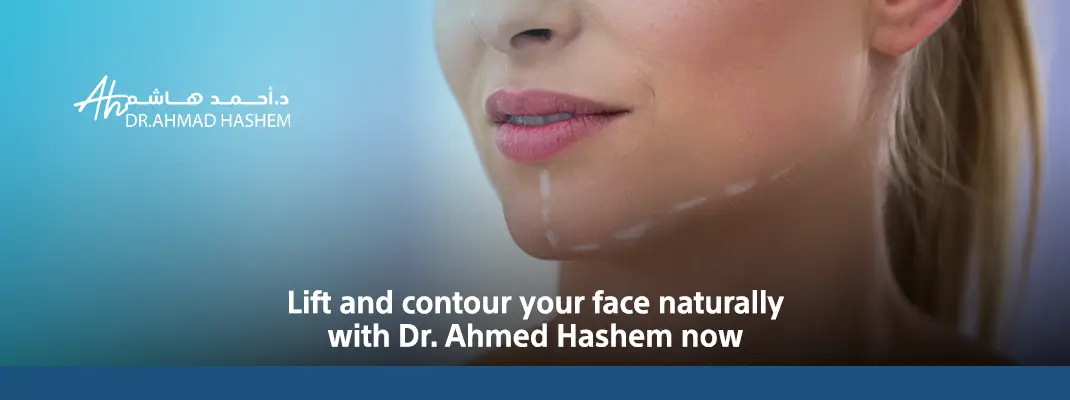
Lift and contour your face naturally with Dr. Ahmed Hashem now 01
Lift and contour your face naturally with Dr. Ahmed Hashem now

Frequently Asked Questions 

1. What is the best non-surgical face lift treatment in Jeddah?

There is no single “best” treatment; the ideal option depends entirely on your skin laxity, face shape, and aesthetic goals. Advanced technologies like HIFU face lifting and Ultraformer treatment excel at deep skin firming, while a thread lift Jeddah procedure is ideal for immediate physical lifting, and dermal fillers work best for volume restoration.

2. Is HIFU better than thread lift?

Neither is inherently better; they target different aging mechanisms. HIFU is an energy-based device ideal for non-invasive skin tightening Jeddah patients use to rebuild collagen over time. In contrast, a thread lift provides an immediate, mechanical lift for sagging jowls and deep folds. Dr. Ahmed Hashem often combines both for comprehensive rejuvenation.

3. Is Ultraformer the same as HIFU?

Yes, Ultraformer is an advanced, high-tier brand of device that utilizes High-Intensity Focused Ultrasound (HIFU) technology. However, Ultraformer delivers micro and macro-focused ultrasound (MMFU) waves with higher speed and precision, offering a more comfortable experience and a specialized ability to target both skin laxity and stubborn submental fat.

4. Can fillers lift the face without surgery?

Yes, dermal fillers can create an indirect lifting effect. By strategically restoring lost volume to the mid-face and cheeks (the structural anchors of the face), fillers pull up sagging tissues around the mouth and nose. However, for true tissue laxity, they are best combined with a energy-based face tightening Jeddah protocol.

5. How long does a non-surgical face lift last?

The longevity of your results depends on the specific modality used. The collagen stimulated by HIFU and Ultraformer typically lasts between 12 to 18 months. A premium thread lift can maintain tissue elevation for 1 to 2 years, while injectables like fillers and Botox require maintenance sessions every 6 to 18 months to preserve facial balance.

6. Is non-surgical face lifting painful?

Most patients tolerate these advanced anti-aging treatments very well. Ultrasound procedures like HIFU trigger a deep, warm tingling sensation, while a thread lift involves a minor, minimally invasive technique. To ensure a completely relaxed experience, Dr. Ahmed Hashem Jeddah utilizes high-strength topical numbing creams and local cooling measures.

7. When should I consider surgical face lift instead?

A surgical facelift is a better clinical option when a patient presents with severe skin laxity, deep structural folds, or extensive excess hanging skin under the chin and neck. Non-surgical anti aging treatments Jeddah offers are highly effective for mild to moderate sagging but cannot physically excise redundant skin tissue.

8. Can men get non-surgical face lifting?

Absolutely. Men frequently choose a non surgical face lift Jeddah option to restore a sharp, masculine profile. The most popular male treatments focus on jawline contouring Jeddah standards to reduce early jowling, tighten a double chin, and refresh the upper face without any visible surgical scars or extensive recovery downtime.

9. Is non-surgical face lifting safe for Saudi skin types?

Yes, it is entirely safe when performed under expert dermatological supervision. Saudi and Arab skin types often feature a thicker dermis, which responds beautifully to ultrasound energy. However, because thicker skin can be prone to post-inflammatory hyperpigmentation if treated incorrectly, device settings must be precisely customized by a specialist.

10. Why choose Dr. Ahmed Hashem for non-surgical face lifting in Jeddah?

Choosing Dr. Ahmed Hashem ensures you receive a dermatologist-led, anatomically precise treatment plan. The clinic prioritizes a natural face lift without surgery that respects your unique facial identity, using authentic, FDA-cleared technologies to deliver subtle, elegant, and perfectly balanced facial rejuvenation.


dermatologist-in-Jeddah.webp

23 May، 2026 Blogs0

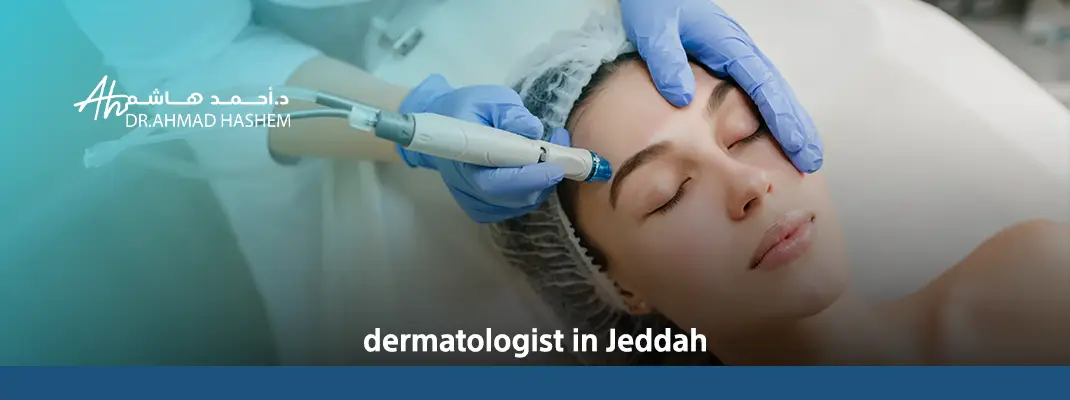
As a premier dermatologist in Jeddah, Dr. Ahmed Hashem understands that maintaining radiant, healthy skin requires more than just a generic skincare routine. The skin is a complex organ influenced by genetics, lifestyle, and environmental factors. When structural issues, persistent breakouts, or chronic conditions arise, seeking expert medical consultation is the most crucial step toward achieving lasting skin health. At the Dr. Ahmed Hashem clinic, patients receive top-tier medical and aesthetic care tailored specifically to their unique skin profiles, ensuring optimal, safe, and scientifically proven results.

Why Dermatology Care Matters for Healthy Skin?

Understanding the true nature of your skin is the foundation of any successful rejuvenation journey. True skin health goes far beyond surface-level aesthetics; it requires a deep understanding of cellular function, barrier integrity, and the underlying biological triggers that cause visible changes on the surface. By prioritizing expert clinical care, you bridge the gap between basic grooming and advanced medical science.

The difference between medical and cosmetic skin concerns

Medical dermatology focuses on diagnosing and treating diseases of the skin, hair, and nails, such as chronic inflammation, infections, and structural damage. Cosmetic dermatology, on the other hand, enhances the skin’s visual appearance, addressing signs of aging, volume loss, and superficial dullness. A truly comprehensive approach integrates both to ensure the skin is structurally healthy before enhancing its aesthetic appeal.

Why accurate diagnosis comes before treatment

Attempting to fix complex dermatological issues with over-the-counter products often worsens the condition. An accurate, clinical diagnosis by a skin doctor Jeddah is essential to identify the root cause of the issue—whether it is hormonal, environmental, or microbial—preventing unnecessary complications and saving valuable time and effort.

dermatology clinic in Jeddah

Common Skin Conditions Treated by Dr. Ahmed Hashem in Jeddah

The skin constantly reacts to internal shifts, hormonal changes, and external environmental stressors. At our clinic, we manage a wide spectrum of dermatological disorders using evidence-based protocols that target the root cause of inflammation rather than just masking the outward symptoms. Below are the most frequent conditions we successfully diagnose and treat.

Acne and adult acne

Acne is not exclusive to teenagers; adult acne is a growing concern driven by stress, hormonal fluctuations, and environmental pollutants. Seeking a professional acne treatment in Jeddah ensures a clinical protocol that effectively regulates sebum production, eliminates acne-causing bacteria, and prevents long-term follicular damage. 

Acne scars and uneven skin texture

When deep-seated inflammation destroys structural collagen, it leaves behind stubborn atrophic or hypertrophic scars. Professional acne scar treatment focuses on breaking down rigid fibrotic tissues beneath the skin and triggering the production of fresh, healthy collagen to smooth out the skin’s surface.

Skin pigmentation and dark spots

Melasma, sun spots, and post-inflammatory hyperpigmentation (PIH) are incredibly common. Dr. Ahmed Hashem provides targeted pigmentation treatment Jeddah to inhibit overactive melanocytes, safely fading dark spots without damaging the surrounding skin matrix.

Eczema and sensitive skin

Chronic conditions like eczema compromise the skin’s natural protective barrier, leading to intense itching, redness, and dryness. Undergoing a specialized eczema treatment Jeddah protocol helps repair this lipid barrier, soothe acute inflammation, and reduce flare-ups.

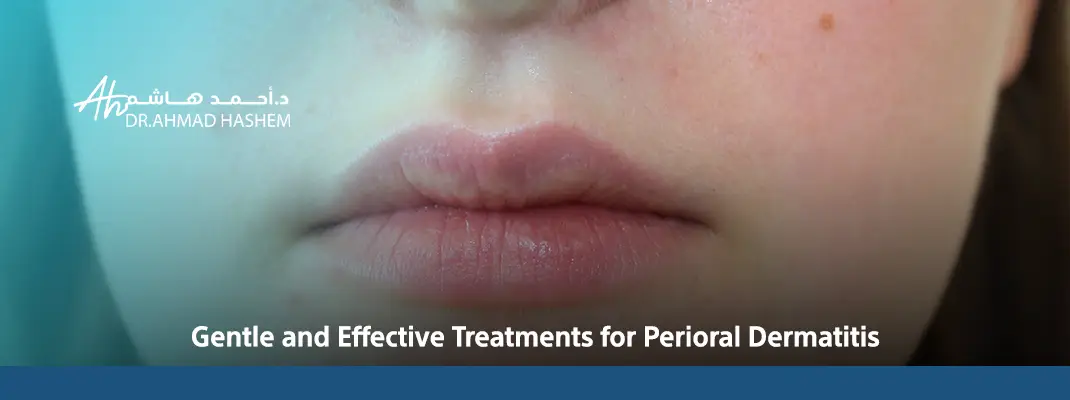
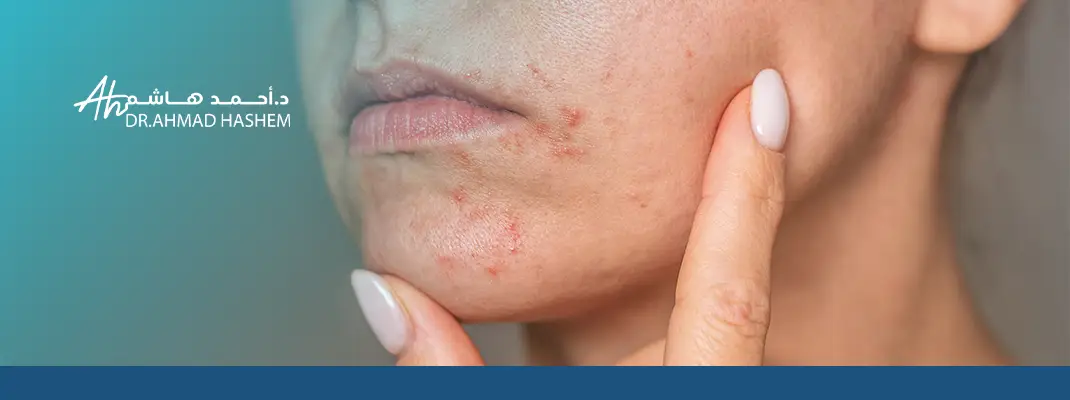
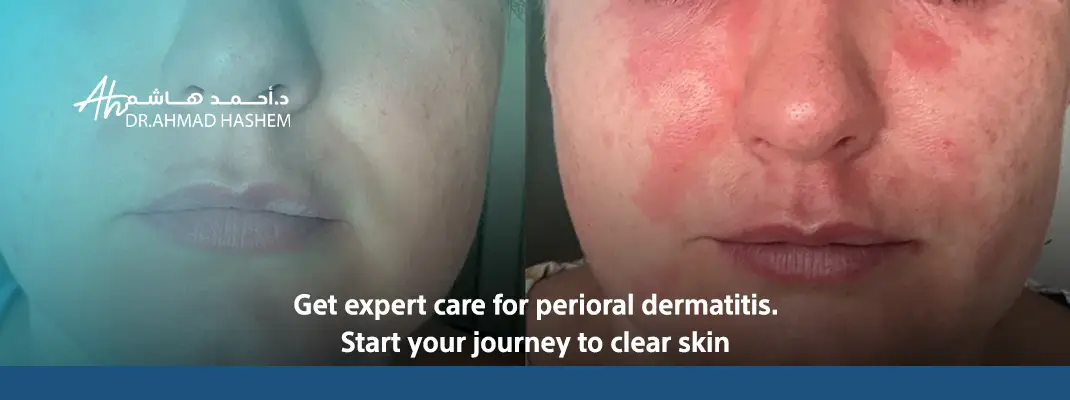
Perioral dermatitis and facial rashes

Perioral dermatitis presents as small, uncomfortable papules around the mouth, often triggered by inappropriate skincare or topical steroids. Seeking perioral dermatitis treatment early ensures the skin is calmed with targeted, non-irritating anti-inflammatory therapies.

Rosacea and facial redness

Rosacea is a vascular disorder causing persistent facial flushing and visible blood vessels. Specialized rosacea treatment protocols focus on shrinking dilated capillaries, soothing hyper-reactive skin, and protecting the cutaneous barrier from environmental triggers.

Skin infections and inflammatory conditions

From bacterial folliculitis to viral warts and fungal issues, inflammatory skin conditions require swift medical intervention. Dr. Ahmed Hashem utilizes advanced diagnostic tools to identify the specific pathogen and prescribe targeted medical therapies.

Advanced Skin Treatments Available in Jeddah

To deliver exceptional results, the clinic utilizes cutting-edge medical technologies designed to target diverse dermatological concerns effectively.

Treatment TypePrimary Targeted ConcernClinical Mechanism
Fractional LaserDeep acne scars & severe texture issuesCreates microscopic thermal zones to stimulate deep collagen remodeling
Chemical PeelsHyperpigmentation, dullness & mild acneAccelerates cellular turnover by exfoliating the damaged epidermal layers
DermapenLarge pores, fine lines & shallow scarringTriggers a natural healing cascade via automated mechanical microneedling

Laser treatments for pigmentation and scars

Advanced laser systems deliver precise wavelengths to break down excess melanin pigment or resurface scarred tissue. This versatile technology serves as a highly effective pigmentation treatment in Jeddah , while simultaneously standing out as a premier acne scar treatment Jeddah option, allowing patients to regain a smooth, even complexion with minimal downtime.

Chemical peels for skin renewal

A professional chemical peel treatment utilizes medical-grade acids (such as glycolic, salicylic, or TCA) to safely remove dead skin cells. Opting for a tailored chemical peel Jeddah protocol provides a controlled exfoliation that targets deep impurities, ultimately revealing a brighter, completely renewed layer of skin underneath.

Dermapen and microneedling

The Dermapen treatment uses sterile micro-needles to create controlled micro-injuries in the skin. Experiencing a professional Dermapen Jeddah procedure significantly boosts natural collagen synthesis and creates precise micro-channels that allow therapeutic skin boosters to penetrate deeply for maximum rejuvenation. 

Carbon laser facial

Commonly known as the “Hollywood Peel,” the carbon laser facial is highly effective for deep pore cleansing. Choosing a specialized carbon laser facial Jeddah session involves applying a medical-grade carbon solution to the face to absorb excess oil and impurities, which are then vaporized by an advanced Q-switched laser to instantly refresh and brighten the skin.

Skin boosters and mesotherapy

Skin boosters and mesotherapy deliver micro-injections of hyaluronic acid, vitamins, and antioxidants directly into the dermis. This provides deep, cellular hydration, improves skin elasticity, and gives the complexion a radiant, healthy glow.

Medical skincare plans

Every in-clinic procedure is supported by a customized medical facial Jeddah protocol and a structured home-care regimen. These medical plans feature prescription-strength active ingredients to maintain and enhance clinical results long after leaving the chair.

Dermatology Treatments for Saudi Skin Types

Middle Eastern skin possesses unique biological characteristics, featuring higher melanin content and a distinct response to environmental stressors. Treating these specific skin profiles requires an intimate understanding of how local climate factors such as intense UV radiation and high ambient temperatures interact with the skin matrix to avoid triggering adverse reactions like hyperpigmentation.

Why is pigmentation common in sunny climates?

Saudi Arabia’s intense solar radiation triggers high melanin production as a natural defense mechanism. This makes the local population highly prone to hyperpigmentation treatment needs, requiring advanced sun protection and melanin-regulating clinical strategies.

Treating oily and acne-prone skin in hot weather

High humidity and heat stimulate the sebaceous glands, leading to excessive oil production and clogged pores. Managing this climate-induced stress requires specialized skin treatments in Jeddah that deeply cleanse the pores and balance sebum without stripping moisture.

Sensitive skin care in Jeddah’s climate

The combination of harsh outdoor heat and constant indoor air conditioning weakens the skin’s moisture barrier. Administering a tailored sensitive skin treatment helps lock in hydration and reduces reactive redness caused by rapid temperature shifts.

Choosing safe treatments for brown and olive skin tones

Middle Eastern skin types (typically Fitzpatrick scale types III to V) are highly susceptible to post-inflammatory hyperpigmentation if treated with overly aggressive lasers or peels. As an experienced cosmetic dermatologist Jeddah, Dr. Ahmed Hashem selects specific, color-safe wavelengths and peeling agents that protect darker skin tones from discoloration.

Medical Dermatology vs Cosmetic Dermatology

  • When you need medical treatment: Medical care is mandatory when dealing with active diseases, painful cystic breakouts, allergic rashes, or suspicious skin lesions. These conditions require systemic or topical medications to resolve the underlying pathology.
  • When cosmetic treatments can improve skin appearance: Cosmetic care is ideal once medical conditions are stable. It effectively targets structural changes, loss of volume, fine lines, surgical or acne scars, and uneven tone to restore the skin’s aesthetic harmony.
  • When both approaches work together: The best results occur when both branches intersect. For instance, clearing active acne via medical protocols provides a healthy canvas, which is then refined through cosmetic lasers and peels to eliminate residual scarring and shadowing.

How Dr. Ahmed Hashem Diagnoses Skin Concerns?

A successful treatment outcome is entirely dependent on the depth and accuracy of the initial evaluation. Rather than offering surface-level solutions, the diagnostic methodology at the clinic of Dr. Ahmed Hashem Jeddah combines meticulous clinical observation with advanced medical screening to uncover the physiological root causes of your skin distress, ensuring a safe and highly effective therapeutic path.

Skin examination and medical history

A successful treatment journey begins with an exhaustive clinical evaluation. Dr. Ahmed Hashem conducts a detailed physical examination of the skin tissue and reviews the patient’s complete medical history, including genetics, chronic illnesses, and previous dermatological interventions.

Identifying triggers and lifestyle factors

Skin health is deeply connected to internal wellness. The diagnostic process looks closely at daily habits, stress levels, dietary patterns, and sleep hygiene to identify external and internal triggers that may be fuel-injecting inflammation or breakouts.

Choosing the right treatment plan

Rather than relying on one-size-fits-all treatments, Dr. Ahmed Hashem synthesizes all clinical data to build a highly targeted therapeutic pathway, ensuring that every procedure directly addresses the patient’s biological needs.

Personalized Treatment Plans for Every Skin Type

Skin is as unique as a fingerprint, meaning that a treatment working wonders for one person might cause irritation for another. True clinical success relies on moving away from standardized approaches and instead engineering targeted, responsive protocols that honor your skin’s baseline tolerance, ethnic background, and specific cellular recovery rate.

Treatment based on skin tone and sensitivity

Every individual’s skin reacts differently to clinical stimuli. Treatment parameters—such as laser pulse duration, peel concentration, and microneedling depth—are carefully calibrated based on the patient’s specific skin tone and baseline sensitivity levels.

Combining topical care with in-clinic treatments

Maximum efficacy is achieved by pairing advanced in-clinic procedures with targeted topical home-care. Patients are prescribed synergistic routines featuring retinoids, antioxidants, and barrier-repair creams that work in tandem with clinical sessions.

Follow-up and long-term skin maintenance

Achieving beautiful skin is a progressive journey. The clinic emphasizes structured follow-up appointments to monitor skin healing, adjust active ingredient percentages, and transition patients into long-term maintenance phases to preserve their results.

Best Skin Treatments for Common Concerns

Addressing dermatological flaws requires a strategic selection of clinical modalities that work in harmony with the skin’s natural healing cycle. By combining gold-standard technologies with specialized medical formulations, our advanced skin treatments Jeddah options can effectively target structural imperfections and uneven tones, providing rapid, visible, and long-lasting improvements for your most pressing skincare needs. 

Best treatments for acne

A combination of prescription topical retinoids, oral medications (when indicated), and targeted salicylic acid chemical peels to clear impurities and soothe active inflammation.

Best treatments for acne scars

A multi-modality approach combining Fractional CO2 laser resurfacing, subcision to release deep fibrous bands, and microneedling to rebuild the dermal matrix.

Best treatments for pigmentation

A careful sequence of advanced pigment lasers (like Q-switched or Picosecond lasers) combined with professional brightening peels and tyrosinase inhibitors.

Best treatments for dull skin

The combination of a carbon laser facial with mesotherapy or skin boosters to instantly shed dead skin layers, boost cellular hydration, and restore a vibrant glow.

Best treatments for sensitive skin

Gentle, barrier-restoring medical facials, low-level light therapy (LLLT), and specialized topical formulations designed to eliminate redness and strengthen skin tolerance.

How to Prepare for Your Dermatology Consultation?

Your initial consultation is a collaborative step toward achieving your skin goals, and arriving prepared can significantly enhance the accuracy of your clinical evaluation. By taking a few simple steps to document your skin’s history and current habits, you enable your dermatologist to understand your unique case clearly and design a highly effective, tailored treatment plan from day one.

Bring your skincare history

To maximize the value of your consultation, compile a clear list of all the skincare brands, cleansers, serums, and sunscreens you currently use or have used recently.

Mention previous treatments and medications

Always inform the doctor about any oral medications you are taking (especially Roaccutane/Isotretinoin), previous laser treatments, or cosmetic injections you have received in the past year.

Avoid self-diagnosis before your visit

Stop using aggressive at-home scrubs, strong acids, or self-prescribed medicated ointments at least 48 hours before your appointment to ensure your skin is evaluated in its natural state.

Why Choose Dr. Ahmed Hashem for Dermatology in Jeddah?

Choosing the right dermatology clinic Jeddah is essential for protecting your skin’s health and appearance. At the Dr. Ahmed Hashem clinic, patients are offered a premium clinical experience rooted in medical excellence and advanced dermatological care.

  • Dermatologist-led care: Every assessment, diagnosis, and advanced procedural plan is directly managed by a highly qualified, board-certified skin specialist Jeddah, ensuring total medical accountability.
  • Experience with medical and cosmetic skin cases: Having successfully managed thousands of complex cases, the clinic effortlessly balances complex medical pathology with sophisticated aesthetic enhancement.
  • Safe treatment planning for Saudi and Arab skin: Deep, localized expertise ensures that all treatments are perfectly adapted to thrive within the unique climate of the GCC and are entirely safe for dark and olive skin tones.
  • Advanced technologies and personalized care: The clinic features state-of-the-art diagnostic and therapeutic technologies, ensuring that your customized treatment plan delivers maximum efficacy with the highest level of safety.

Book Your Dermatology Consultation in Jeddah

Your path to healthy, clear, and glowing skin starts with an expert clinical evaluation. Do not compromise your skin’s health with temporary fixes or unverified routines. Schedule your personalized consultation at our premierdermatology clinic in Jeddah today, and experience premium, science-backed care tailored to your unique skin needs at the Dr. Ahmed Hashem clinic.

Click Here to Connect and Book Your Consultation Instantly via WhatsApp

Advanced skin treatments in Jeddah by Dr. Ahmed Hashem today

Frequently Asked Questions about dermatologist in Jeddah

What skin concerns does Dr. Ahmed Hashem treat in Jeddah?

Dr. Ahmed Hashem clinic provides comprehensive medical and aesthetic care for a wide spectrum of dermatological concerns. As a leading dermatologist in Jeddah, he specializes in treating active acne, stubborn acne scars, hyperpigmentation, melasma, eczema, rosacea, facial rashes, and chronic skin sensitivities, ensuring every patient receives a scientifically backed, personalized treatment plan.

When should I visit a dermatologist in Jeddah?

You should schedule a clinical consultation if you experience persistent acne, unexplained skin rashes, chronic itching, progressive hair thinning, or nail changes. Visiting a professional dermatology clinic in Jeddah is also essential if your current skincare routine fails to resolve issues like deep-seated pigmentation or if you require safe, medical-grade anti-aging treatments.

What is the difference between medical and cosmetic dermatology?

Medical dermatology focuses on diagnosing, managing, and healing pathological skin diseases (such as eczema, psoriasis, and severe acne). On the other hand, cosmetic dermatology aims to enhance the skin’s aesthetic appearance, targeting fine lines, volume loss, and skin texture. At our clinic, we often integrate both disciplines, as achieving radiant skin requires a foundation of true dermatological health.

What are the best skin treatments in Jeddah available at your clinic?

The ideal procedure depends entirely on your specific skin profile and goals. To deliver visible and long-lasting results, we offer a curated selection of the most advanced skin treatments in Jeddah, including customized chemical peel Jeddah protocols, deep-cleansing carbon laser facial Jeddah sessions, collagen-boosting Dermapen Jeddah procedures, and tailored medical skincare regimens.

Can hyperpigmentation be successfully treated in Saudi Arabia’s hot climate?

Yes, dark spots and melasma can be highly managed even in GCC climates. Achieving successful results requires a specialized pigmentation treatment in Jeddah that pairs advanced clinical modalities with rigorous, broad-spectrum sun protection. Dr. Ahmed Hashem designs specific, heat-safe protocols that address excess melanin without triggering post-inflammatory hyperpigmentation.

Are advanced laser and chemical peeling treatments safe for sensitive skin?

They are remarkably safe when performed under strict medical supervision. Sensitive or reactive skin requires a meticulous initial evaluation to determine structural tolerance. We utilize customized, low-intensity laser parameters and gentle, specialized acids to safely rejuvenate sensitive skin without causing irritation or compromising the protective skin barrier.

How does Dr. Ahmed Hashem customize the right skin treatment plan?

Every successful therapeutic journey begins with an in-depth clinical evaluation. Dr. Ahmed Hashem selects your treatment protocol by thoroughly analyzing your unique skin phenotype, underlying medical history, previous cosmetic interventions, lifestyle factors, and specific aesthetic expectations, moving away from temporary fixes toward sustainable cellular health.

Can acne scars and pigmentation be treated simultaneously?

In many clinical cases, yes. Depending on your skin’s resilience and the depth of the tissue damage, a dermatologist can design a phased treatment plan. This may involve combining a targeted acne scar treatment Jeddah protocol (like fractional lasers or microneedling) with specialized brightening topicals to smooth out textures and unify skin tone safely.

Why is a professional consultation mandatory before undergoing cosmetic procedures?

Skipping a professional evaluation risks aggravating underlying skin conditions. A specialized medical consultation ensures your skin concerns are accurately diagnosed—distinguishing between purely cosmetic desires and underlying medical needs. This step allows us to rule out contraindications and select the exact technology suited for your skin.

Why should I choose the Dr. Ahmed Hashem clinic for my dermatological care?

Choosing the Dr. Ahmed Hashem clinic means choosing expert, dermatologist-led care that prioritizes patient safety and clinical excellence. With extensive experience in treating the unique characteristics of Gulf and Arab skin types, our clinic combines cutting-edge medical technologies with ethical, tailor-made protocols, making it a premier choice for anyone seeking a trusted dermatologist in Jeddah.


botox-and-fillers-in-Jeddah.webp

17 May، 2026 Blogs0

The Ultimate Guide to botox and fillers in Jeddah with Dr. Ahmed Hashem helps you understand the benefits, procedures, and expected results of these popular treatments. At Dr. Ahmed Hashem clinic, patients receive personalized care using advanced techniques for safe and natural-looking outcomes. Whether you’re looking to reduce wrinkles or enhance facial features, this guide covers everything you need to know.

What Are Botox and Fillers?

Botox in Jeddah and fillers are popular non-surgical cosmetic treatments used to reduce signs of aging and enhance facial appearance. Botox works as a neuromodulator that relaxes facial muscles to smooth dynamic wrinkles caused by repeated expressions, while fillers are injected to restore lost volume, contour the face, and improve definition in areas such as the cheeks, lips, and under-eyes. 

Together, botox in Jeddah and fillers in Jeddah provide a comprehensive solution for facial rejuvenation, delivering natural-looking, youthful results without the need for invasive procedures.

botox and fillers in Jeddah

How Botox works for wrinkles and expression lines

  • It successfully interrupts the nerve signals trying to reach your targeted muscles.
  • This process gently restricts the muscle twitches occurring just below your skin’s surface.
  • Repeated expression lines are visibly smoothed out and softened.
  • It acts as a powerful shield, preventing fine lines from evolving into deep future creases.
  • It is highly celebrated for clearing up classic trouble zones like crow’s feet and forehead bands.

How fillers restore volume and enhance facial features

  • These treatments plump up thinning tissues by injecting a smooth, moldable gel.
  • They beautifully replace the facial volume that naturally diminishes due to aging or rapid weight loss.
  • Formulated with hyaluronic acid, they actively draw in and lock deep moisture into the skin.
  • They act as a sophisticated sculpting tool to elevate flat cheeks and sharpen your jawline.
  • Severe facial folds, especially the heavy lines around your mouth, are seamlessly leveled out.

The main difference between Botox and dermal fillers

  • One specifically handles dynamic muscle movement, while the other addresses hollow spaces.
  • Muscle relaxers calm active zones, whereas dermal gels physically fill in empty depressions.
  • While expressions cause the lines that neurotoxins fix, static sagging requires volume restitution.
  • Neuromodulators demand a few days to take effect, but volume additions are instantly visible in the mirror.
  • Muscle treatments typically fade within 3–4 months, but volume enhancers boast a longer lifespan of 6–18 months.

If you are currently planning filler injections in Jeddah or a wrinkle-relaxing session, please consider:

  • Which exact facial zones are you most eager to improve (e.g., forehead versus lips)?
  • Are you worried about potential discomfort or the required recovery time?
  • Do you prefer an incredibly subtle enhancement or a more striking facial transformation?
  • I am fully equipped to help you match the perfect treatment to your personal aesthetic goals.

Botox vs Fillers: Which Treatment Do You Need?

Botox for forehead lines, frown lines, and crow’s feet

  • Temporarily pauses active muscles to effortlessly smooth out upper-face expression lines.
  • Flattens the horizontal bands that form whenever you raise your eyebrows in surprise.
  • Eradicates those stubborn “11” lines that develop between your brows from frequent frowning.
  • Clears away the fine wrinkles that fan out from the corners of your eyes when you smile.
  • Gently softens your expressions without making your face look swollen, stiff, or artificially shaped.

Fillers for lips, cheeks, chin, jawline, and under eyes

  • Using lip fillers in Jeddah adds gorgeous symmetry, deep hydration, and an alluring plumpness.
  • Replaces depleted structural fat pads to naturally elevate and support drooping cheeks.
  • Pushes a recessed chin forward to bring perfect harmony to your side profile.
  • Creates a crisp, defined boundary along the jaw to expertly hide early signs of jowling.
  • Utilizing an under eye filler in Jeddah instantly erases dark, sunken tear troughs for a rested look.

When both treatments can be combined safely

  • Flawlessly tackles various aging layers at the exact same time during a single clinic visit.
  • Focuses on different facial zones simultaneously without any risk of dangerous drug interactions.
  • Delivers a spectacular non-surgical facelift effect by managing both tissue sagging and muscle movements.
  • Actually prolongs the life of your volume gels by calming the high-movement muscles surrounding them.
  • Requires absolutely zero extra recovery time compared to booking and attending separate appointments.

The Most Requested botox and fillers in Jeddah

Botox for facial wrinkles

  • Focuses specifically on the upper face to wipe away deep, expressive creases.
  • Smooths out the prominent horizontal furrows caused by lifting your eyebrows.
  • Diminishes sun-induced and age-related crow’s feet around the delicate eye area.
  • Relaxes harsh frown lines to give you a much more approachable, serene vibe.
  • Radically revitalizes your entire facial appearance within just five to seven days.

Preventive Botox

  • Highly recommended as an early intervention for individuals in their mid-20s to early 30s.
  • Actively teaches your facial muscles to avoid forming harsh, deep expressions.
  • Halts the permanent etching of static lines before they can scar the skin tissue.
  • Needs significantly smaller doses compared to treating already established, deep-set wrinkles.
  • Keeps your skin texture completely flawless with incredibly subtle, lightweight adjustments.

Botox for gummy smile

  • Calms the overactive, pulling muscles located around your top lip.
  • Gently drops the lip line to elegantly hide excess gum visibility.
  • A gummy smile Botox session perfects your smile without artificially altering your natural lip volume.
  • Serves as a fantastic, highly cost-effective alternative to painful surgical jaw procedures.
  • The whole process takes merely ten minutes with absolutely zero downtime required afterward.

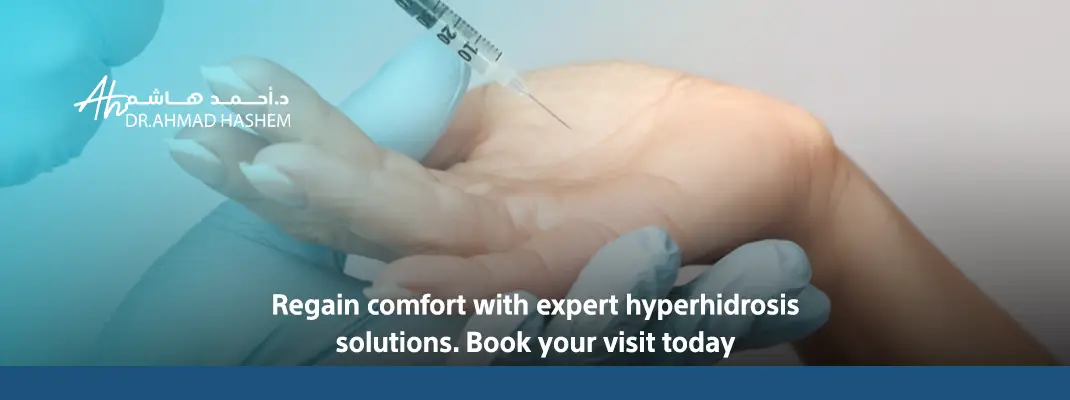
Botox for excessive sweating

  • Effectively blocks the chemical signals triggering your local sweat glands to overproduce.
  • A life-changing solution for severe sweating in palms, feet, or underarms.
  • Relying on Botox for excessive sweating guarantees maximum dryness during the intense summer heat.
  • Delivers solid, dependable results that hold up anywhere from six months to a full year.
  • Significantly elevates your personal confidence in both professional meetings and social environments.

Lip fillers

  • Enhances thin or flat lips using premium, ultra-soft hyaluronic acid gels.
  • Fixes noticeable unevenness between the upper and lower lip proportions beautifully.
  • Sharpens the lip edges to completely stop your lipstick from bleeding outward.
  • Infuses intense, deep moisture to iron out fine vertical cracks on the lip surface.
  • Gives you stunning, immediate volume the second you step out of the injection chair.

Under-eye fillers

  • Cleverly fills hollow areas to permanently banish dark, tired-looking circles.
  • Restores the crucial lost padding that severely ages your overall appearance.
  • Creates a beautifully seamless transition from the lower eyelid down to the cheek.
  • Utilizes specific, low-hydrophilic gels that resist unwanted water retention and puffiness.
  • Instantly makes your face look incredibly refreshed, awake, and vibrant.

Chin and jawline fillers

  • Employs a chin filler treatment to perfectly balance out strong or prominent nasal features.
  • Sculpts the highly demanded, crisp lower face using a premium jawline filler Jeddah.
  • Visually lengthens round faces to achieve a sleek, highly structured oval contour.
  • Expertly camouflages mild sagging and loose skin along the lower border of the face.
  • Acts exactly like a structural bone implant by using extremely dense, lifting gels.

If you are eager to schedule one of these specific procedures, please let me know:

  • Which exact facial concern is bothering you the most today?
  • Are you interested in reviewing our current package options for comprehensive facial contouring?
  • Do you prefer a clinic location in the north or somewhere closer to the Tahlia area?
  • I can easily share targeted pricing details or recommend the absolute best specialist for your needs.

Who Should Consider botox and fillers in Jeddah?

People looking for natural anti-aging results

  • Intercepts movement-based lines before they permanently damage your skin texture.
  • Awakens a fatigued face without changing how you naturally express your emotions.
  • Gently blurs age signs to give you that highly coveted “post-vacation” glow.
  • Involves barely any recovery downtime when compared to traditional, invasive surgery.
  • Serves as the perfect solution for any healthy adult from their mid-twenties onwards.

Patients with facial volume loss

  • Beautifully restores the crucial fat pads lost in the temples and mid-face.
  • Adds needed plumpness right under the eyes to permanently erase dark shadow troughs.
  • Seamlessly fills in the noticeable, heavy folds around the nose and mouth area.
  • Brings back the skin’s youthful, elastic bounce after significant age or weight loss.
  • Deeply hydrates fragile, thinning skin with powerful, moisture-binding hyaluronic molecules.

Patients who want subtle facial contouring

  • Sharpens a soft, undefined jawline for a strikingly sculpted, powerful look.
  • Pushes a weak or recessed chin forward to perfectly harmonize your facial proportions.
  • Elevates flat cheeks beautifully without ever needing permanent surgical implants.
  • Adjusts uneven or lopsided lips to give you a flawlessly proportional smile.
  • Refines your overall face shape by delivering structural support exactly where it is needed.

When Botox or fillers may not be suitable

  • Nursing or pregnant women are strictly restricted from receiving any cosmetic injectables.
  • Any active acne breakouts or severe skin infections need to heal completely beforehand.
  • Individuals battling nerve-related disorders cannot safely receive muscle-relaxing treatments.
  • Taking daily blood thinners significantly raises the chance of severe bruising and medical risks.
  • Those expecting surgical-level transformations from temporary gels will ultimately be disappointed.
  • botox and fillers in Jeddah

How We Achieve Natural-Looking botox and fillers in Jeddah

Facial assessment before treatment

  • Carefully analyzes your bone structure to spot exactly where structural fat is actively depleting.
  • Observes precisely how your muscles shift and pull when you laugh, speak, or smile.
  • Tests your skin’s flexibility and thickness to decide the exact depth for product placement.
  • Calculates your unique facial dimensions to ensure everything stays perfectly proportional.
  • Discusses your personal aesthetic desires extensively to guarantee the final look matches your vision.

Choosing the right injection points

  • Reaches the deeper tissue layers for a true, structural lift instead of just surface patching.
  • Stays far away from anatomical danger zones to keep you entirely safe and comfortable.
  • Applies an advanced micro-droplet approach so the gel blends seamlessly into your own tissue.
  • Maps out your muscle fibers perfectly so only the problematic, wrinkling ones are relaxed.
  • Injects strategically to replicate the exact look and feel of natural, youthful facial fat pads.

Avoiding overfilled or frozen-looking results

  • Strongly favors elegant, undetectable tweaks over extreme, shocking volume modifications.
  • Uses minimal, highly calculated doses so your face still moves and expresses normally.
  • Recommends building up the volume gently over multiple visits rather than rushing it all at once.
  • Picks premium, highly flexible formulas that stretch, bounce, and move naturally with your expressions.
  • Aims to reduce harsh, aging shadows rather than wiping your face completely blank and flat.

Personalized treatment plans for men and women

  • Keeps a man’s jawline rugged, wide, and straight to fiercely preserve masculine energy.
  • Highlights feminine beauty by enhancing softer, rounder cheek and lip curves.
  • Carefully places neuromodulators to stop male eyebrows from arching up unnaturally.
  • Chooses the right gel thickness based entirely on the natural differences in male and female skin.
  • Honors your unique anatomical structure so you never look like a generic, manufactured template.

Tailoring botox and fillers in Jeddah for Arab Features

Natural enhancement without changing identity

  • Proudly protects your distinct Middle Eastern traits while significantly enhancing your glow.
  • Wipes away the tired, stressed look without erasing the authentic character of your face.
  • Highlights your original beauty instead of giving you a generic, cloned aesthetic.
  • Relies on extremely precise micro-dosing to ensure your fundamental identity remains untouched.
  • Delivers such a seamless, harmonious finish that people will simply think you slept incredibly well.

Balancing lips, chin, cheeks, and jawline

  • Beautifully complements the strong, distinct bone structure typical of Arab profiles.
  • Carves out sharp jawlines that perfectly balance prominent, elegant nasal features.
  • Extends recessed chins forward to achieve flawless, striking symmetry from the side view.
  • Softly plumps the lips so they elegantly match the intensity of large, striking eyes.
  • Elevates the mid-face to brilliantly support and highlight naturally high cheekbones.

Why facial anatomy matters in injectable treatments

  • Maps out strict safe zones to fiercely protect your sensitive facial nerves from damage.
  • Accounts for the varying skin thicknesses found across different regional ethnic backgrounds.
  • Dictates the perfect product choice based on exactly how strong your local facial muscles are.
  • Avoids unwanted tissue drooping by anchoring the heavy gels directly onto the bone structure.
  • Guarantees that your smile, laughter, and speech remain completely fluid and organic.

The Lifespan of Your Enhancements

Botox duration and maintenance

  • Generally provides a completely smooth, wrinkle-free appearance for three to four months.
  • Fades away gradually and naturally as your muscle activity slowly wakes up and returns.
  • Usually requires about three routine visits a year to keep the skin continuously flawless.
  • Gradually weakens the treated muscles over time, which makes subsequent sessions last even longer.
  • Needs strict, precise scheduling so deep creases do not get the chance to reform between appointments.

Filler duration by treatment area

  • Lip enhancements usually last six to nine months because we are constantly talking and chewing.
  • Cheek elevations hold strong for over a year due to the thick, deep structural placement.
  • Tear trough corrections easily last up to a year in that delicate, low-movement zone.
  • Jawline sculpting can remain incredibly sharp for up to two years with dense, bone-mimicking formulas.
  • Smile lines typically need a touch-up after nine to twelve months, depending on how expressive you are.

Factors that affect longevity in Saudi Arabia

  • Extreme summer heat can cause highly active bodies to break down the injected product much faster.
  • A naturally fast metabolism means your unique system might dissolve the hyaluronic acid rapidly.
  • Regular, intense visits to the sauna will dramatically cut down the lifespan of your injectables.
  • Being a highly expressive talker will naturally wear down the gels in high-movement areas quicker.
  • Not drinking enough water leaves the gel looking flat, as it desperately needs hydration to stay plump.

Ensuring Safety with botox and fillers in Jeddah

Why choosing a qualified doctor matters

  • A true expert strictly avoids hitting major arteries, preventing dangerous vascular blockages.
  • Booking with a Botox doctor in Jeddah ensures you get verified, SFDA-approved premium products.
  • Guarantees the substance is placed perfectly according to your highly specific underlying anatomy.
  • Drastically drops the chance of ending up with lopsided lips, a heavy eyelid, or ruined symmetry.
  • Gives you the ultimate peace of mind that emergency medical protocols are instantly available if needed.

Common temporary side effects

  • Expect a bit of mild, localized swelling right around the injected spots for a couple of days.
  • Tiny, pin-sized bruises might appear but will vanish completely naturally very soon.
  • The treated area might feel slightly tender or sensitive to the touch immediately afterward.
  • A mild, transient headache is perfectly normal right after getting your upper face muscles relaxed.
  • A flush of redness on the skin usually calms down completely within just a few short hours.

Warning signs that need medical attention

  • If your skin turns completely pale or gray near the injection, call your doctor instantly.
  • Severe, throbbing pain that keeps escalating after you leave the clinic is a massive red flag.
  • Any sudden blurriness or loss of vision requires an immediate, urgent trip to the hospital.
  • Hot, rapidly spreading redness accompanied by pus means a serious infection is brewing.
  • Difficulty breathing or breaking out in severe hives signals a dangerous allergic reaction.

Pre-Treatment Steps for the Best Results

What to avoid before injections

  • Pause blood-thinning meds like Ibuprofen a full week prior to stop heavy, unwanted bruising.
  • Skip your fish oil, garlic, and Vitamin E supplements for at least seven days before your slot.
  • Give your skin a complete break from harsh acids and retinol creams for three days prior.
  • Do not wax, thread, or aggressively tweeze your facial hair for two days leading up to the session.
  • Stay entirely away from alcoholic beverages for a full 48 hours before you sit in the treatment chair.

Medical history and previous treatments

  • Be completely honest and transparent about every vitamin and daily medication you consume.
  • Let your provider know immediately if you are pregnant, as this means you must absolutely wait.
  • Provide a detailed record of your past injections, including the specific brands and dates used.
  • Highlight any known allergies, especially to topical numbing creams or bacterial proteins.
  • Mention if you are prone to getting cold sores so you can start preventative antiviral meds beforehand.

Setting realistic expectations

  • Gels give instant gratification, but the true, refined shape emerges only once the swelling drops.
  • Muscle relaxers demand patience; they take up to two full weeks to fully kick in and settle.
  • These tools are meant to refresh your natural beauty, not completely change your facial identity.
  • Remember that the beautiful effects will eventually fade, so you must commit to a maintenance routine.
  • Flawless, mirror-image symmetry is an absolute myth, as every human face has natural, beautiful quirks.

Your Post-Treatment Care Guide

What to avoid during the first 24 hours

  • Stay sitting upright for at least four hours so the liquid does not shift into the wrong muscle.
  • Keep your hands completely off your face to ensure the gel stays exactly where it was expertly placed.
  • Postpone your heavy gym session to keep your blood pressure down and avoid triggering extreme swelling.
  • Dodge hot saunas, steaming baths, and the intense, direct midday sun entirely.
  • Skip your daily makeup routine over the injection sites to effectively block out bacterial infections.

When results start to appear

  • Plumping is noticeable immediately, though initial puffiness might slightly exaggerate the final size.
  • The relaxing effect starts to lightly freeze the targeted muscles within three to five days.
  • You will hit the absolute peak of total muscle smoothness around the ten to fourteen-day mark.
  • Any lingering puffiness from the dermal gel will completely settle down perfectly in two weeks.
  • You should wait exactly 14 days before judging the final harmony and balance of your results.

When to contact the Dr. Ahmed Hashem clinic

  • Reach out for a quick touch-up if you spot any obvious unevenness after the two-week settling period.
  • Get in touch immediately if you feel sharp, worsening pain or see strange white skin patches.
  • Any strange changes to your eyesight mean you should use the emergency contact line instantly.
  • Call the medical team without hesitation if you notice spreading red streaks or heat around the area.
  • Ask for professional guidance if a bruise seems to be growing much larger instead of healing naturally.

If you are currently recovering from a session, let me know:

  • Did you opt for muscle relaxants, plumping gels, or a comprehensive mix of both?
  • Are you dealing with any minor swelling or bruising that is bothering you today?
  • Do you need the exact location or direct phone number for the clinic?
  • I am ready to share highly specialized recovery advice tailored to your exact treatment area.

Understanding the Investment

Treatment area

  • The final bill changes dramatically based entirely on how large and anatomically complex the zone is.
  • Quick, targeted fixes like a gummy smile adjustment are extremely budget-friendly and accessible.
  • Comprehensive structural sculpting, like full jawline definition, will require a significantly higher budget.
  • Enhancing a simple lip border is far more economical than rebuilding deeply hollowed cheek structures.
  • Stopping underarm sweat is naturally pricier simply because it covers a massive surface area.

Product type and amount needed

  • Premium, SFDA-approved European or American brands naturally carry a slightly higher price tag.
  • You pay per syringe for volume gels, meaning the more you need to achieve your look, the more it costs.
  • The total number of units injected serves as the main factor in calculating your neurotoxin prices.
  • Thick, long-lasting contouring gels are structurally more expensive than silky, soft lip formulas.
  • Severe facial aging requires multiple layers of product, which naturally increases the overall clinical invoice.

Doctor expertise and safety standards

  • Highly specialized consultant dermatologists charge more for their vast expertise than junior resident doctors.
  • Top-tier medical clinics invest heavily in strict hygiene and safety, which is reflected in their premium prices.
  • True experts usually include a complimentary 14-day check-up seamlessly bundled into their initial fee.
  • Paying for a highly trained doctor absolutely saves you from the massive costs of fixing botched, dangerous jobs.
  • Accurate, deep anatomical placement means the product lasts much longer, saving you money on early touch-ups.

If you want to map out your exact aesthetic budget, please tell me:

  • Which specific part of your face are you prioritizing for enhancement right now?
  • Are you interested in finding bundled package offers or multi-syringe discounts?
  • Do you have a specific neighborhood in mind for booking your appointment?
  • I can gladly help you understand the current market rates or find the best promotional deals available.

Why Trust Us for Your botox and fillers in Jeddah?

Dermatologist-led injectable treatments

  • You are guaranteed to be in the hands of a fully certified, highly specialized skin doctor at all times.
  • He thoroughly assesses your underlying skin’s health before a single needle ever touches your face.
  • His deep, medical knowledge of cellular pathology ensures the absolute safest possible procedure.
  • He expertly handpicks the exact chemical makeup of the product to suit your unique physiological biology.
  • He strictly adheres to hospital-grade standards, actively avoiding the severe risks of commercial salons.

Experience in facial aesthetics

  • He boasts years of intense clinical practice shaping and perfecting incredibly diverse facial profiles.
  • He utilizes highly advanced injection techniques perfected over thousands of successful patient sessions.
  • He frequently attends global conferences to bring the absolute latest medical innovations back to you.
  • He deeply understands and highly respects the specific beauty standards loved in the local region.
  • His professional portfolio is packed with genuine, stunning transformations from intensely loyal patients.

Focus on safety, balance, and natural results

  • He absolutely refuses to use anything but authentic, officially SFDA-approved medical brands.
  • He strictly calculates your facial golden ratio to ensure perfect, elegant structural symmetry.
  • He completely rejects the artificial, over-stuffed trends, keeping your face soft and highly expressive.
  • He expertly navigates safely around crucial blood vessels to keep you entirely out of harm’s way.
  • He insists on thorough follow-up visits to ensure the gels have settled flawlessly into your tissue over time.

Book Your Consultation Today

  • Lock in your visit instantly using our highly convenient, user-friendly online scheduling system.
  • Give the clinic a quick, direct call to snag a perfectly timed morning or evening slot that fits your day.
  • Send us a fast WhatsApp text to get immediate booking confirmations and helpful appointment reminders.
  • Ask for a full facial assessment to receive a customized, step-by-step beauty plan just for you.
  • Drop by our modern, easily accessible medical center located right in the vibrant heart of the city.

botox and fillers in Jeddah

Frequently Asked Questions

What is the difference between Botox and fillers?

Muscle relaxers quiet down the specific facial movements that cause dynamic wrinkles, while volumizing gels plump the skin and sculpt features like the chin, cheeks, lips, and jaw.

Which is better, Botox or fillers?

It completely depends on your specific issue. Neurotoxins are perfect for movement-based lines, while gels fix hollowing and loss of shape. A professional clinical assessment will determine your absolute best fit.

Can Botox and fillers be done together?

Absolutely. Combining them is highly encouraged to tackle both deep folds and volume loss at the exact same time for a complete, harmonious facial refresh.

How long does Botox last?

You can generally expect your skin to remain smooth for about 3 to 6 months, heavily depending on how fast your metabolism is and your natural muscle strength.

How long do fillers last?

This varies vastly based on the formula thickness and where it was injected. High-movement areas break down faster, while deep structural placements can last well over a year.

Are Botox and fillers safe?

Yes, they are highly safe when handled by a licensed medical professional who uses strictly approved products and deeply understands complex facial anatomy.

Will Botox or fillers make my face look unnatural?

An artificial look only happens with excessive product use or poor technique. Our clinic focuses entirely on harmonious, delicate tweaks that honor your natural beauty and balance.

When will I see results after Botox or fillers?

Gels provide gorgeous, instant volume right on the spot. Conversely, muscle relaxers take a few days to start working, reaching their absolute peak smoothness after two weeks.

Who should avoid Botox or fillers?

Anyone who is pregnant, breastfeeding, fighting an active skin infection, or dealing with specific nerve disorders must strictly postpone these aesthetic procedures.

Why choose Dr. Ahmed Hashem for Botox and fillers in Jeddah?

Our practice offers unmatched dermatological expertise, constantly prioritizing your absolute safety, proportional balance, and delivering an elegantly refreshed version of yourself.


laser-treatments-in-Jeddah-1.webp

17 May، 2026 Blogs0

Laser treatments in Jeddah are preferred because they offer precise, long-lasting solutions for hair removal, pigmentation, scarring, and skin rejuvenation. The availability of advanced lasers like Nd:YAG makes them safe for all skin types, including dark and tanned skin. With expert care at clinics like Dr. Ahmed Hashem’s, patients achieve natural-looking results with minimal downtime.

What Are Laser Treatments and How Do They Work?

Laser treatments in Jeddah have become the gold standard for solving multiple skin and hair concerns thanks to their precision and science-backed results. 

These treatments use focused light energy to target specific structures within your skin without damaging the surrounding areas.

 At Dr. Ahmed Hashem’s clinic, understanding the technology behind each pulse is the first step toward safe and effective care.

How laser energy targets skin and hair concerns

The secret lies in a principle called selective photothermolysis, where specific wavelengths are absorbed by only one target.

 For laser hair removal in Saudi Arabia, the light seeks out melanin inside the hair follicle to disable future growth. For resurfacing, water within skin cells absorbs the energy to vaporize damaged layers, while vascular issues respond to hemoglobin targeting.

  • Selective Photothermolysis: Lasers emit specific light wavelengths to destroy targets without damaging surrounding tissue.
  • Melanin Targeting: Hair removal lasers target dark pigment in the follicle to stop growth.
  • Water Absorption: Resurfacing lasers vaporize water in skin cells to remove damaged layers.
  • Hemoglobin Targeting: Vascular lasers heat blood vessels to collapse spider veins and redness.
  • Collagen Stimulation: Non-ablative lasers heat the dermis to trigger new collagen production.

Why skin type matters before laser treatment

Not all skin reacts the same way to light energy, which is why a proper evaluation is non-negotiable.

 The Fitzpatrick scale helps dermatologists classify your skin’s risk of burning or developing dark spots after laser exposure. 

Darker skin contains more melanin, which competes with the target and can absorb excess energy if the wrong laser or settings are used.

  • Fitzpatrick Scale: Dermatologists use this scale to classify skin by sunburn risk.
  • Hyperpigmentation Risk: Darker skin types absorb more laser energy, risking burns or dark spots.
  • Laser Selection: Specific lasers like Nd:YAG laser are safer for dark skin tones.
  • Melanin Competition: High skin melanin competes with hair melanin for laser light absorption.
  • Customized Settings: Practitioners adjust pulse duration and cooling to protect sensitive skin.

laser treatments in Jeddah

Most Popular Laser Treatments at Dr. Ahmed Hashem’s Clinic in Jeddah

When searching for the best laser clinic in Jeddah, patients look for a place that offers a wide range of proven solutions under one roof. 

At Dr. Ahmed Hashem’s clinic, each treatment is selected based on your unique skin concerns, whether you want smooth skin, an even tone, or a youthful glow. 

Below are the most requested procedures that make this cosmetic laser clinic Jeddah a trusted name.

Laser hair removal

laser hair removal in Jeddah is performed using customized pulses that safely eliminate unwanted hair across various skin types, from fair to deep bronze.

 The clinic relies on Diode laser and Nd:YAG laser technology to target coarse hair while protecting the surrounding skin. This treatment is ideal for those tired of daily shaving or painful waxing, offering long-lasting smoothness.

Carbon laser facial

The carbon laser facial Jeddah patients love is a quick, no-downtime procedure that exfoliates dead skin cells while instantly boosting facial glow and brightness.

 A layer of liquid carbon is applied to the skin, which then penetrates deep into pores before being vaporized by the laser. 

The result is a radiant complexion that looks refreshed and polished immediately after one session.

Fractional laser for acne scars

Fractional laser for acne scars uses fractional CO2 technology to deeply resurface damaged tissue and minimize deep pitted scars. 

This treatment creates microscopic channels in the skin, triggering the body’s natural healing process and new collagen formation. Over a series of sessions, rolling, boxcar, and ice-pick scars become significantly smoother and less visible.

Laser pigmentation treatment

laser pigmentation treatment and pigmentation laser treatment target melanin clusters to break down sunspots, dark spots, melasma, and freckles. 

The laser energy shatters the pigment into tiny particles that your body’s immune system naturally removes over several weeks. 

This is an effective sun damage treatment for those who have accumulated years of UV exposure.

Laser skin rejuvenation

laser skin rejuvenation stimulates natural collagen layers deep within the dermis to reduce fine lines and improve overall skin texture. 

This non-surgical approach restores elasticity and firmness, making it a popular choice for patients in their thirties and beyond. 

The result is a fresher, more youthful appearance without incisions or extended recovery.

H3: Birthmark laser treatment

birthmark laser treatment safely breaks down vascular or pigmented tissue to fade prominent birthmarks, such as port-wine stains or cafe-au-lait spots.

 The laser selectively targets the abnormal cells while leaving healthy skin untouched. Multiple sessions are usually required, but the progressive lightening can be life-changing for many patients.

Laser Treatments for Face vs Body: What’s the Difference?

Many patients wonder whether the same approach works for laser treatment for face and laser treatment for body, and the answer is nuanced. 

Facial skin is thinner, more vascular, and often more sensitive, requiring smaller spot sizes and precise energy delivery. Body areas, on the other hand, have thicker skin with deeper follicles, needing larger handpieces and different interval timing for optimal results.

Facial laser treatments

Facial treatments focus on texture, scarring, pigmentation, and fine lines, using small, precise handpieces for contouring around the eyes and mouth. Healing time is generally faster due to the face’s rich blood supply, but caution is needed to avoid triggering cold sores or melasma.

Body laser treatments

Body treatments prioritize hair removal, large surface pigmentation, and sometimes tattoo removal, using large spot sizes for quick area coverage. Recovery is slower on extremities and the back compared to the face, and sessions are spaced further apart to match longer hair growth cycles.

Sensitive areas and customized settings

Areas like the bikini line and underarms feature coarser hair and thinner, hyperpigmented skin that requires dynamic cooling devices for safety. 

At Dr. Ahmed Hashem Jeddah, practitioners lower energy levels in high-sensitivity zones and extend pulse widths to protect the delicate epidermis.

  • Bikini and Underarms: Feature coarser hair and thinner, hyperpigmented skin requiring dynamic cooling devices.
  • Fluence Adjustments: Practitioners lower energy levels in high-sensitivity zones to protect against burns.
  • Pulse Duration: Extended pulse widths protect delicate epidermis when targeting dense body hair follicles.
  • Cooling Systems: Integrated sapphire cooling tips or cryogen sprays numb nerve endings instantly during treatment.

laser treatments in Jeddah

Choosing the Right Laser for Saudi Skin Types

Saudi skin types range from fair olive to deep bronze, often with a tendency to tan easily under the intense local sun.

 The key to safe and effective treatment lies in selecting the appropriate laser wavelength for your specific Fitzpatrick skin type. 

At Dr. Ahmed Hashem’s clinic, we carefully match each patient with the right device to maximize results while minimizing risks like burns or laser for brown skin complications.

Alexandrite laser

The Alexandrite laser emits a short 755 nm light wavelength designed for high melanin absorption, making it fast and effective. 

However, it is best suited for fair to medium skin tones (Fitzpatrick types I–III) because it carries a high risk of burning dark, olive, or tanned Saudi skin.

Nd:YAG laser

The Nd:YAG laser is the gold standard for darker and tanned skin, emitting a long 1064 nm wavelength that penetrates deeply.

 It bypasses surface skin melanin to target the follicle root directly, making it the best laser for dark skin and a safe choice for patients with recent sun exposure.

Diode laser

The Diode laser emits an intermediate 800 nm to 810 nm wavelength, offering a versatile option for medium to dark olive skin types.
 It combines moderate melanin absorption with rapid pulsing and strong built-in cooling to protect the epidermis while treating hair effectively.

Which laser is safer for darker or tanned skin?

When comparing these technologies, the Nd:YAG laser is the undisputed safest choice for darker or tanned skin. Its deep wavelength reduces burn risk and minimizes the chance of post-inflammatory hyperpigmentation (PIH), especially after sun exposure.

  • Gold Standard: The Nd:YAG laser is the safest choice for darker skin tones.
  • Reduced Burn Risk: Deep wavelength bypasses epidermal pigment to prevent surface burns.
  • Post-Sun Exposure: Nd:YAG is safer if you have a recent tan from the Saudi sun.
  • Hyperpigmentation Prevention: Minimizes the risk of post-inflammatory hyperpigmentation (PIH) after treatment.

Who Is a Good Candidate for Laser Treatments?

Not everyone is an ideal candidate for every laser procedure, but most people can benefit from some form of light-based therapy. 

Laser treatments in Jeddah are suitable for individuals with specific concerns ranging from unwanted hair to deep acne scars. At Dr. Ahmed Hashem clinic, a thorough consultation determines whether you are a good fit for the planned procedure.

People with unwanted hair

Individuals looking to permanently reduce coarse, thick, or dark hair growth are excellent candidates, especially those suffering from chronic ingrown hairs. Patients who want to replace daily shaving, painful waxing, or epilating routines find life-changing convenience with laser hair removal Saudi Arabia.

People with acne scars

Those with atrophic, rolling, boxcar, or deep ice-pick acne scars can achieve significant improvement through fractional laser for acne scars. Candidates also include people seeking to clear stubborn red or brown marks left after breakouts and smooth out uneven skin surfaces.

People with pigmentation or sun damage

Candidates with freckles, solar lentigines, age spots from UV exposure, or hormonal facial masking (melasma) benefit from laser pigmentation treatment. Anyone with blotchy skin discoloration seeking a uniform, balanced complexion is a good fit for gentle laser toning.

People looking for skin glow and texture improvement

Individuals wanting an immediate radiance boost before major events or weddings, as well as those looking to soften early wrinkles without surgery, are ideal candidates. People aiming to tighten skin elasticity and minimize visible, stretched pore sizes also see excellent results.

Are Laser Treatments Safe in Saudi Arabia’s Hot Climate?

The Saudi climate, with its intense year-round sun and high temperatures, raises valid concerns about laser treatment in summer. 

The answer is yes, laser treatments are safe, but only if you follow strict sun protection and aftercare guidelines. 

At Dr. Ahmed Hashem Jeddah, we educate every patient on how to navigate the heat without compromising their results.

Sun exposure precautions

To protect your skin, you must avoid peak sun hours between 10:00 AM and 4:00 PM when UV levels are highest. 

Apply broad-spectrum SPF 50+ sunscreen every two hours, even when driving or sitting indoors, and wear wide-brimmed hats and UV-blocking clothing. 

You should also avoid direct sunbathing or outdoor swimming for two weeks before your session.

Summer laser aftercare

After your procedure, apply cold packs or ice wrapped in a clean cloth to reduce immediate heat, and layer pure aloe vera gel to calm inflammation. 

Avoid hot showers, steam rooms, traditional hammams, and heavy sweating for 48 hours, and drink extra water daily to help your skin barrier repair from within.

When to postpone a session

You should reschedule immediately if your skin is red, peeling, hot, or painful from an active sunburn. Delay your appointment by 14 days if you have a fresh, deep tan from a recent beach trip, and postpone if you develop active heat rash or sweat bumps in the target area. 

We also pause aggressive laser settings if extreme summer heat has temporarily sensitized your pigmentation.

How Many Laser Sessions Do You Need?

One of the most common questions patients ask is about the total number of sessions required to see their desired outcome. 

The answer depends entirely on the condition being treated, your skin type, and how your body responds to laser energy. 

Laser treatments in Jeddah are rarely one-and-done procedures, but a clear timeline helps manage expectations.

Hair removal session expectations

Most individuals require 6 to 8 sessions to achieve optimal results because treatments must match the anagen (active growth) phase to destroy the root permanently.

 Face sessions require 4-week gaps, while body areas require 6 to 8 weeks between visits, and you can expect a 10% to 25% reduction in hair density after your very first session.

Pigmentation and acne scar treatment timeline

Superficial pigmentation like sunspots and freckles typically clears within 2 to 4 targeted sessions, while moderate to deep pitted scars require 3 to 5 aggressive fractional laser treatment

Resurfacing and pigment lasers require a strict 4 to 6-week healing window between appointments, and collagen rebuilding continues for up to 3 months after your final session.

Maintenance sessions

Annual or bi-annual touch-ups handle new hair follicles triggered by hormonal shifts, while skin rejuvenation maintenance every 6 to 12 months preserves collagen gains. Pigmentation defense is highly dependent on continuous sun protection in the Saudi climate, and maintenance visits utilize lower energy settings purely to sustain your initial clear results.

How to Prepare Before Laser Treatment

Proper preparation is half the battle when it comes to achieving excellent results and avoiding complications. Before your appointment at Dr. Ahmed Hashem’s clinic, there are several steps you must take to ensure your skin is ready for the laser. Following these laser aftercare preparatory guidelines will make your session safer and more effective.

Avoid tanning and sun exposure

Stop all direct sun exposure, beach trips, and tanning beds 14 days before your appointment, and avoid spray tans, bronzers, and self-tanning lotions as they change surface skin pigment. Apply broad-spectrum SPF 50+ daily to prevent hyperpigmentation risks during the laser session.

Stop waxing or plucking before hair removal

Do not wax, pluck, tweeze, or use threading for 4 weeks prior to treatment because the laser needs the hair root intact inside the follicle to destroy it successfully. You are allowed to shave the treatment area with a clean razor 12 to 24 hours before your session.

Share your medical history with Dr. Ahmed Hashem’s clinic

Inform the staff if you take Roaccutane, antibiotics, or gold therapy medications, and share diagnoses like PCOS, which can directly alter your expected treatment timeline. If you have a history of cold sores, request antiviral medication, as lasers can trigger facial outbreaks.

Laser Treatment Aftercare Tips

What you do after your laser session is just as important as the treatment itself, especially when aiming for optimal results. 

Proper laser aftercare minimizes side effects, speeds up healing, and protects your investment in your skin. At Dr. Ahmed Hashem’s clinic, we provide detailed instructions tailored to your specific procedure and skin type.

Moisturizing and sun protection

Apply a fragrance-free, medical-grade moisturizer or panthenol cream three times daily, and use broad-spectrum zinc oxide or titanium dioxide SPF 50+ sunscreen every single day. 

Reapply your sunblock every two hours when exposed to the intense Jeddah sun, and layer pure aloe vera gel immediately after your session to calm residual surface heat.

Avoiding heat and harsh products

Use only lukewarm or cool water when washing the treated area for 48 hours, and stop using retinols, glycolic acid, salicylic acid, and vitamin C for 5 to 7 days. 

Avoid heavy workouts, swimming pools, steam rooms, and hot traditional hammams for two days, and do not scrub, exfoliate, or rub the skin with harsh towels or loofahs during recovery.

When to contact Dr. Ahmed Hashem’s clinic

Call the clinic immediately if you notice any fluid-filled blisters or severe crusting, and seek medical advice if burning sensations or pain worsen after the first 24 hours. 

Contact the team if you experience unexpected oozing, extreme swelling, or a fever, and schedule an evaluation if dark spots or unusual skin whitening appear post-treatment.

Why Choose Dr. Ahmed Hashem’s Clinic for Laser Treatments in Jeddah?

With so many options available, patients rightly ask what makes one dermatologist laser treatment center stand out from the rest. Dr. Ahmed Hashem’s clinic has earned its reputation as a best laser clinic in Jeddah by combining medical expertise with genuine patient care. Every decision, from the type of laser to the energy settings, is made with your long-term safety and satisfaction in mind.

Dermatologist-led treatment planning

Every patient undergoes a professional skin evaluation directed by Dr. Ahmed Hashem, ensuring that custom protocols are designed specifically for your individual dermatological conditions. Medical professionals track your skin reactions across sessions to optimize long-term clinical results.

Customized laser settings for each skin type

Pulse width and energy parameters are precisely calibrated to match individual Fitzpatrick skin types, and settings are meticulously adjusted to account for seasonal tanning from the Jeddah sun. Specific fluence and cooling levels are tailored dynamically when treating sensitive body zones.

Advanced technology and patient safety

The clinic utilizes state-of-the-art platforms, including specialized Nd:YAG laser, Alexandrite, and fractional lasers, all equipped with high-tier cooling mechanisms. Strict safety steps minimize the risk of post-inflammatory hyperpigmentation or surface burns, making this cosmetic laser clinic Jeddah a trusted choice.

Book Your Laser Consultation with Dr. Ahmed Hashem in Jeddah

Taking the first step toward clearer, smoother, and more radiant skin is easy with a personalized consultation. 

Contact the clinic reception to secure the earliest available appointment slot with our specialists and receive a thorough skin analysis. 

You will leave with a detailed timeline outlining the recommended number of sessions and precise cost estimates.

  • Direct Scheduling: Contact the clinic reception to secure the earliest available appointment slot with our specialists.
  • Personalized Assessment: Receive a thorough skin analysis to identify the exact laser technology suited for your skin type.
  • Custom Treatment Plan: Get a detailed timeline outlining the recommended number of sessions and precise cost estimates.
  • Clinic Location: Conveniently located in Jeddah, equipped with modern facilities and advanced cooling laser platforms.
  • Contact Options: Reach out via the clinic’s official booking line, WhatsApp service, or online reservation portal.

laser treatments in Jeddah

Frequently Asked Questions About Laser Treatments in Jeddah

What laser treatments does Dr. Ahmed Hashem’s clinic offer in Jeddah?

Dr. Ahmed Hashem’s clinic offers several laser treatments for hair removal, pigmentation, acne scars, skin rejuvenation, carbon laser facial, and selected medical skin concerns depending on the patient’s diagnosis.

What is the best laser treatment in Jeddah?

The best laser treatment depends on your concern, skin type, and treatment area. At Dr. Ahmed Hashem’s clinic, the treatment plan is selected after evaluating your skin and goals.

Is laser treatment safe for dark skin?

Yes, when the right device and settings are selected by a qualified dermatologist. The Nd:YAG laser is often preferred for darker or tanned skin types, making it a safe laser for brown skin.

Can I do laser treatment during summer in Saudi Arabia?

Yes, but you must avoid direct sun exposure, use sunscreen, and follow the aftercare instructions provided by Dr. Ahmed Hashem’s clinic for laser treatment in summer.

How many laser sessions do I need?

It depends on the treatment. Hair removal usually needs multiple sessions, while skin rejuvenation, pigmentation, or scar treatments vary based on the case.

Is laser treatment painful?

Most laser treatments cause mild warmth or tingling. Discomfort depends on the device, area treated, and individual sensitivity. laser treatments for sensitive skin are managed with cooling systems.

Why choose Dr. Ahmed Hashem for laser treatments in Jeddah?

Patients choose Dr. Ahmed Hashem’s clinic for dermatologist-led treatment planning, customized laser settings, advanced technologies, and a focus on safety and natural-looking skin improvement.


أحمد-هاشم-1200x670.jpg

16 April، 2026 Blogs0

Imagine waking up to effortlessly smooth skin, free from the daily hassles of shaving or the discomfort of waxing. Laser hair removal offers a promising solution to unwanted hair, but with various techniques available, and variable clinics in Jeddah, choosing the right one can be daunting. Let’s reveal some info about laser skin clinics, and what the best laser clinic in Jeddah offers with the different laser hair removal methods to help you make an informed decision..​

What is Laser Hair Removal?

Laser hair removal involves using concentrated light beams to target and damage hair follicles, inhibiting future growth. This method provides a longer-lasting solution compared to traditional hair removal techniques. The effectiveness of the treatment largely depends on the laser technology used and its compatibility with your skin and hair type, and the clinic itself.

Different Laser Hair Removal Techniques

Not all laser treatments are created equal. The choice of laser technology can significantly impact the efficacy and safety of the procedure. Here are some of the most prevalent techniques:

  • Alexandrite Laser: Known for its efficiency on lighter skin tones, the Alexandrite laser operates at a shorter wavelength, making it highly effective for targeting finer hair. However, it may require more sessions to achieve lasting results.​
  • Nd:YAG Laser: This laser is ideal for individuals with darker skin tones due to its longer wavelength, which allows deeper penetration while minimizing skin damage. It’s particularly effective for coarse hair but may necessitate multiple sessions for optimal outcomes.​
  • Diode Laser: Versatile in nature, the Diode laser caters to a broad range of skin types. Its longer wavelength effectively targets hair follicles, making it suitable for both light and dark skin tones.​
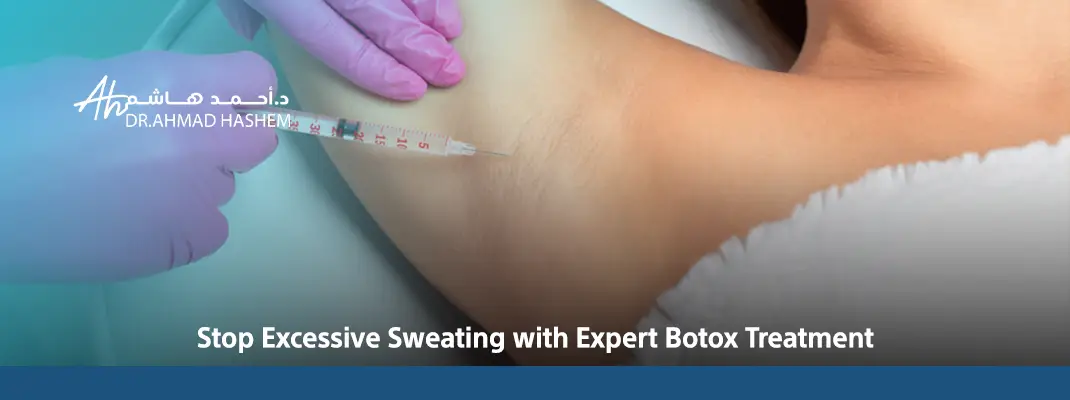
  • Intense Pulsed Light (IPL): While not a laser in the strictest sense, IPL employs broad-spectrum light to target hair follicles. It’s most effective on individuals with light skin and dark hair, offering a less invasive alternative with varying results.​

Benefits of Laser Hair Removal

Opting for laser hair removal comes with a plethora of advantages:​

  • Precision: Lasers can selectively target dark, coarse hairs while leaving the surrounding skin undamaged.​
  • Speed: Each laser pulse takes a fraction of a second and can treat multiple hairs simultaneously, allowing for the treatment of small areas like the upper lip in under a minute.​
  • Predictability: After an average of three to seven sessions, many patients experience significant hair reduction, with some achieving permanent results.​

Potential Side Effects and Considerations of Laser Hair Removal

While laser hair removal is generally safe, it’s essential to be aware of potential side effects:​

  • Skin Irritation: Temporary discomfort, redness, and swelling are common but typically subside within a few hours.​
  • Pigment Changes: The treated area may darken or lighten, usually temporarily. These changes are more common in individuals with darker skin tones.​

Preparing for Your Laser Hair Removal Session

To maximize the effectiveness of your treatment, consider the following preparatory steps:​

  • Limit Sun Exposure: Avoid sunbathing or extensive sun exposure for at least six weeks before treatment, as tanned skin can increase the risk of side effects.​
  • Avoid Other Hair Removal Methods: Refrain from plucking, waxing, or electrolysis for six weeks prior, as these can disturb the hair follicle and hinder the laser’s effectiveness.​

Post-Treatment Care

After undergoing laser hair removal, proper aftercare is crucial:​

  • Cool Compresses: Apply ice packs or cool compresses to alleviate any discomfort or swelling.​
  • Moisturize: Use gentle, fragrance-free moisturizers to soothe the treated area.​
  • Sun Protection: Apply broad-spectrum SPF 30 or higher sunscreen daily to protect the treated skin from sun exposure.​

Alternative Hair Removal Methods

While laser hair removal is highly effective; especially laser hair removal Jeddah, it’s worth exploring other options to determine the best fit for your needs:​

  • Electrolysis: This method uses electrical currents to destroy hair follicles individually. It’s suitable for all hair and skin types but can be time-consuming for larger areas.​
  • Waxing and Sugaring: These techniques remove hair from the root, offering smooth skin for several weeks. However, they can be painful and may cause skin irritation.​
  • Depilatory Creams: Chemical-based creams dissolve hair at the skin’s surface. They’re painless but may cause allergic reactions in some individuals.​

Combining Treatments for Optimal Results

In some cases, combining laser hair removal with other treatments can enhance results:​

  • Topical Hair Growth Inhibitors: These can be used alongside laser treatments to slow hair regrowth.​
  • Maintenance Sessions: Periodic touch-up sessions help maintain smooth skin over time.​

Laser Hair Removal Jeddah Price

The cost of laser hair removal in clinics in Jeddah varies based on factors such as treatment area size, number of sessions required, and geographic location. While it may seem expensive upfront, many find it cost-effective in the long run compared to the ongoing expenses of waxing or shaving.​

What to look for when selecting the best laser clinic in Jeddah

When selecting the best laser clinic in Jeddah, prioritize factors such as the clinic’s reputation, the qualifications and experience of its medical staff, and the range of laser technologies available. 

  • A reputable clinic should employ certified dermatologists and laser specialists who tailor treatments to individual skin types and hair textures. 
  • Additionally, consider the clinic’s adherence to safety protocols, the cleanliness of its facilities, and patient reviews that reflect satisfaction with both the results and the overall experience. 
  • Besides the price, you need to check different clinics for the best price, as laser hair removal price in KSA varies a lot depending on the clinic and doctors’ expertise.

Evaluating these aspects will guide you toward a clinic that ensures effective and safe laser hair removal treatments.

Choosing the Right Laser Hair Removal Technique

Selecting the most suitable laser hair removal method depends on various factors, including your skin tone, hair color, and the treatment area. Here’s a comparative overview to assist in your decision-making:​

Laser TypeBest Suited ForConsiderations
Alexandrite LaserLight to olive skin tonesEffective for finer hair; may require more sessions for lasting results.
Diode LaserLight to medium skin tonesVersatile; effective for coarse hair; fewer side effects for darker skin tones.
Nd:YAG LaserDarker skin tonesDeeper penetration; suitable for coarse hair; may need


Wrong Info about Laser Hair Removal

Laser hair removal isn’t exclusive to women; many men in Jeddah are turning to this method to address unwanted hair on areas like the chest, back, and neck. Clinics such as Dr. Ahmad Hashem Clinic offers services, ensuring effective and comfortable treatments, making it the best laser clinic in Jeddah. ​

By understanding the various methods and evaluating reputable clinics in Jeddah, you can achieve smooth, hair-free skin safely and effectively. Always consult with experienced professionals to determine the most suitable approach for your unique needs. Book your appointment now at Dr Ahmad Hashem to get the best laser treatment at the best laser clinic in Jeddah


تميّز-بالتشخيص-الدقيق-والعلاج-الفعال-للبقع-والبهاق-مع-استشاري-الجلدية-د.-أحمد-هاشم-02.webp

21 September، 2025 Blogs0

In a time when skin problems are becoming increasingly common among both adults and children, many people wonder: What is the difference between white spots and vitiligo with pictures? Does every white spot mean the beginning of vitiligo? Can these spots disappear on their own? And is vitiligo contagious? These are frequent questions that concern patients and their families, as it is often difficult to distinguish between different skin conditions—especially when white patches appear on the face or body without obvious symptoms.

In this article, we will cover everything you need to know about the difference between white spots and vitiligo with pictures, how to identify them correctly, the causes of white patches, the immune and genetic factors behind vitiligo, whether white spots can actually turn into vitiligo, the latest treatment methods, when to visit a dermatologist, and essential medical tips to prevent skin pigmentation disorders.

What Are White Spots on the Skin?

White spots on the skin are localized changes in skin color caused by a reduction or absence of melanin—the pigment responsible for natural skin color. They can appear anywhere on the body, vary in size and shape, and may be temporary or permanent depending on the underlying cause. Possible causes include:

  1. Fungal infections (Tinea Versicolor)
    One of the most common reasons, caused by superficial fungi known as Malassezia. The spots usually appear on the back, neck, and chest. They may be lighter in color and become more noticeable after sun exposure.

  2. Pityriasis Alba
    A common skin condition in children and teenagers, appearing as pale patches with mild scaling, especially on the face.

  3. Prolonged Sun Exposure
    Excessive sun exposure can damage pigment-producing cells, leading to light spots (hypopigmentation), particularly in darker skin tones.

  4. Chronic Skin Diseases
    Conditions such as eczema or psoriasis may leave white spots after inflammation due to secondary loss of melanin.

When Are White Spots a Cause for Concern?

Although most white spots are harmless, persistence or spread over time—especially when symmetrical on both sides of the body—may indicate a more complex condition such as vitiligo. For accurate diagnosis, it is always recommended to consult a dermatologist such as Dr. Ahmed Hashem, who may perform a Wood’s Lamp examination or a skin biopsy if needed.

What Is Vitiligo?

Vitiligo is a chronic, non-contagious skin condition classified as an autoimmune disorder. In vitiligo, the immune system mistakenly attacks melanocytes—the pigment-producing cells in the skin, hair, and eyes. As a result, melanin production stops in certain areas, leading to white patches that are most noticeable in darker skin tones.

How Does Vitiligo Appear?

Vitiligo usually begins with small white patches that may remain localized or spread gradually to other parts of the body. Common areas include:

  • Face (around the mouth or eyes)

  • Hands and feet

  • Joints

  • Scalp (sometimes with premature greying of hair)

  • Genital areas
    In some cases, vitiligo can also appear on the lips, inside the mouth, or even in the eyes.

Types of Vitiligo

  • Localized Vitiligo: Appears in one or a few areas.

  • Segmental Vitiligo: Affects one side of the body, more common in children.

  • Generalized Vitiligo: Symmetrically affects multiple areas of the body.

  • Universal Vitiligo: Rare, where the patient loses almost all skin color.

Is Vitiligo Contagious or Dangerous?

No. Vitiligo is not contagious and cannot be transmitted by touch. However, its psychological impact can be significant, especially when affecting visible areas such as the face and hands. Early diagnosis and treatment are essential to slow down progression and improve results.

Difference Between White Spots and Vitiligo

FactorWhite SpotsVitiligo
CauseFungal infections, sun exposure, skin conditionsAutoimmune destruction of melanocytes
AppearanceSmall spots, sometimes scalyLarger patches, well-defined, non-scaly
SymptomsMay cause itching, redness, mild discomfortUsually asymptomatic, rarely mild itching
ContagionSometimes contagious (fungal)Not contagious
TreatmentAntifungal creams, topical steroidsPhototherapy, immune-modulating drugs, topical creams

Can White Spots Turn into Vitiligo?

Not all white spots are a sign of vitiligo. Many causes exist, ranging from temporary fungal infections to chronic skin disorders, but they differ completely from vitiligo in terms of causes, diagnosis, and treatment.

When to See a Doctor?

White patches may need urgent evaluation if they:

  • Increase in size over time

  • Appear symmetrically on both sides of the body

  • Have no scaling or redness

  • Develop around the mouth, eyes, or sensitive areas

In these cases, visiting a dermatologist like Dr. Ahmed Hashem is highly recommended for accurate tests and early treatment.

Why Accurate Diagnosis Matters

Misdiagnosis can lead to incorrect treatment—for example, using antifungal creams for vitiligo or vice versa. Professional evaluation is essential to determine whether a spot is harmless, vitiligo in its early stage, or another skin condition.

Treatment of White Spots vs. Vitiligo

White Spots

  • Topical antifungals

  • Corticosteroid creams

  • Gentle skincare and avoiding irritants

Vitiligo

  • Phototherapy with narrowband UVB

  • Immune-modulating medications (e.g., corticosteroids)

  • Advanced topical treatments such as Opzelura

الفرق بين البقع البيضاء والبهاق

Why Choose Dr. Ahmed Hashem’s Clinic in Jeddah?

When it comes to skin health and beauty, choosing the right specialist makes all the difference. In Jeddah, Dr. Ahmed Hashem’s Clinic is considered the best dermatology and cosmetic clinic for treating pigmentation disorders, white spots, and vitiligo.

1. Over 30 Years of Experience
Dr. Ahmed Hashem has more than three decades of experience in dermatology, specializing in vitiligo, pigmentation, and advanced skin treatments. He holds a PhD in Dermatology from Cairo University, is an active member of international dermatology associations, and has successfully treated thousands of cases.

2. Advanced Technology and Treatment Options
The clinic uses cutting-edge equipment and protocols, including:

  • Narrowband UVB phototherapy (globally recognized for vitiligo)

  • Laser techniques for stimulating melanocytes

  • Microneedling with PRP therapy

  • 3D skin analysis for precise pigmentation tracking

  • Customized medical formulations tailored to each patient

3. Personalized Care Plans
Every patient receives an individualized treatment plan based on overall health, type of pigmentation, distribution of patches, and advanced diagnostic results. The clinic also provides nutritional and psychological guidance to maximize recovery.

Prevention Tips from Dr. Ahmed Hashem

According to Dr. Ahmed Hashem, prevention is always better than treatment when it comes to skin pigmentation issues. His key recommendations include:

  • Daily use of broad-spectrum sunscreen (SPF 50+)

  • Avoiding direct sun exposure between 10 AM – 4 PM

  • Keeping skin hydrated with fragrance-free moisturizers

  • Consulting a dermatologist if new spots appear or persist

Difference Between Vitiligo and Fungal Infections (With Pictures)

Vitiligo appears as bright white patches with clear borders and smooth texture, typically without itching or scaling. Fungal infections, however, cause irregularly shaped patches that may be lighter or darker than the surrounding skin, usually with itching and mild scaling. A professional examination remains the most accurate method to differentiate them.

FAQs About White Spots and Vitiligo

Do white spots disappear on their own?
Yes, in some cases such as pityriasis alba, they may fade naturally. However, medical advice is recommended.

How can I know if a spot is vitiligo?
A dermatologist can confirm using specialized tests such as a Wood’s Lamp examination.

Are all white spots vitiligo?
No, many other conditions (fungal infections, pityriasis alba, sun damage) may also cause white patches.

If you notice any changes in your skin color, do not hesitate to book a consultation with Dr. Ahmed Hashem’s Clinic in Jeddah for accurate diagnosis and effective treatment.


Book-hair-mesotherapy-for-fuller-healthier-hair-with-lasting-results-01.webp

28 May، 2025 Blogs0

Hair loss is a common issue that affects millions of people around the world, and it can have a significant impact on confidence and self-esteem. If you’re tired of relying on expensive products that don’t deliver results or if you’re exploring options for hair regrowth, mesotherapy might be the solution you’ve been looking for.

mesotherapy hair is a non-surgical, minimally invasive treatment that has been gaining popularity due to its ability to stimulate hair growth and improve scalp health. 

In this article, we will discuss what mesotherapy for hair is, its effectiveness, the causes of hair thinning it addresses, how it compares to other treatments like PRP…

What Is Mesotherapy for Hair?

mesotherapy hair is a cosmetic treatment that involves injecting a blend of vitamins, minerals, amino acids, and other nutrients directly into the scalp to promote hair regrowth. The goal of the procedure is to revitalize hair follicles, improve blood circulation to the scalp, and nourish the hair roots with essential nutrients to stimulate healthy hair growth.

This procedure is performed using a fine needle, and the active ingredients used in mesotherapy can vary depending on the patient’s needs. The treatment is minimally invasive and generally requires little to no downtime, making it a popular choice for those seeking non-surgical solutions for hair loss.

Causes of Hair Thinning Treated by Mesotherapy

  • Genetic Factors (Androgenetic Alopecia): This hereditary condition is one of the most common causes of hair loss, especially in men and women over the age of 30.
  • Hormonal Imbalances: Conditions such as pregnancy, menopause, thyroid disorders, and polycystic ovary syndrome (PCOS) can lead to significant hair thinning.
  • Stress and Anxiety: Psychological stress can trigger a condition known as telogen effluvium, where large numbers of hair follicles prematurely enter the shedding phase.
  • Nutritional Deficiencies: Lack of essential nutrients such as iron, zinc, and biotin can lead to weakened hair follicles and hair thinning.
  • Aging: As you age, the natural rate of hair growth slows, and hair follicles may shrink, leading to thinner hair.
  • Scalp Conditions: Conditions like dandruff, psoriasis, or seborrheic dermatitis can negatively affect the scalp’s health and contribute to hair loss.

mesotherapy hair​

Comparing Mesotherapy and PRP: Which Works Faster?

  • mesotherapy for hair loss​: Mesotherapy provides faster results in some cases because it directly nourishes the hair follicles with the necessary vitamins and minerals. It is effective for both men and women experiencing early-stage hair thinning and can show visible improvements in a few sessions.
  • PRP for Hair Loss: PRP therapy works by stimulating the body’s natural healing process, and while it can be very effective, it may take a bit longer to see results compared to mesotherapy. Typically, PRP results may take anywhere from 3 to 6 months, while mesotherapy might show noticeable improvements in hair thickness and growth within 2 to 3 months.

Both treatments have their advantages and can be used in combination for optimal results. The choice between mesotherapy and PRP largely depends on the individual’s specific hair loss condition and the desired results.

Read More: Mesotherapy for Face: The Ultimate Solution for Radiant Skin

How Many Sessions Are Needed for Visible Hair Regrowth?

The number of mesotherapy hair sessions required for visible hair regrowth can vary depending on the extent of hair loss, individual hair growth cycles, and the overall health of the scalp. On average, most people require 6 to 10 sessions, spaced about 1 to 2 weeks apart, to start seeing visible improvements in hair growth. 

After the initial treatment phase, maintenance sessions may be recommended every few months to sustain the results.

During the treatment, patients may experience slight redness or sensitivity in the scalp, but this typically resolves within a few hours. Since the procedure is non-invasive, there’s little to no downtime, and most individuals can return to their daily activities immediately after the session.

Read More: How Hair Filler Improves Hair Health

https://web.whatsapp.com/send?phone=966558869584&text=

Dr. Ahmed Hashem’s Clinic Offers the Most Effective Hair Mesotherapy

Dr. Ahmed Hashem’s clinic is known for offering advanced mesotherapy hair treatments tailored to each patient’s specific needs. With years of experience in treating hair loss and a commitment to utilizing the latest technology and methods, Dr. Hashem ensures that each patient receives the highest level of care and attention.

The clinic is equipped with state-of-the-art tools and top-quality mesotherapy products to ensure effective results. Whether you are dealing with early-stage hair thinning, or you’re looking for a solution to restore volume and vitality to your hair, Dr. Hashem’s clinic offers personalized mesotherapy treatment plans that address the root causes of hair loss.

The clinic’s success is built on a strong reputation for providing natural, long-lasting results with minimal downtime. If you are considering mesotherapy for hair loss or other hair regrowth treatments, Dr. Ahmed Hashem’s clinic is the ideal destination for high-quality, safe, and effective care.

FAQ mesotherapy hair treatment

What is mesotherapy for hair loss?

  •  Mesotherapy for hair loss is a non-surgical treatment that uses a combination of vitamins, minerals, amino acids, and other nutrients to stimulate hair regrowth. The treatment is injected directly into the scalp to nourish hair follicles and promote healthy hair growth.

How much does mesotherapy for hair cost?

  •  The cost of mesotherapy for hair loss can vary depending on factors like location, the experience of the practitioner, and the severity of the hair loss. On average, mesotherapy sessions can range from $150 to $500 per session.

How soon can I see Mesotherapy hair results for hair loss?

  •  Visible results from mesotherapy for hair regrowth typically begin to appear after 2 to 3 months. For optimal results, a series of 6 to 10 sessions may be required.

Is mesotherapy for hair safe?

  •  Yes, mesotherapy for hair is generally safe when performed by a licensed and experienced professional. As with any treatment, there are potential side effects, such as slight redness or swelling, but these are temporary and typically resolve within a few hours.

How does mesotherapy for hair compare to PRP?

  •  While both mesotherapy and PRP are effective treatments for hair loss, mesotherapy delivers a combination of nutrients to the scalp for faster results, whereas PRP uses the body’s own platelet-rich plasma to stimulate hair regrowth. Both treatments can be used together for enhanced results.

Contact us today to schedule your consultation and discover how mesotherapy can help you regain your confidence and restore your natural hair growth. Let us help you achieve the fuller, healthier hair you’ve always wanted.


Top-Cosmetic-Clinic-in-Jeddah-Dr.-Ahmed-Hashem.webp

28 May، 2025 Blogsغير مصنف0

Finding the right cosmetic clinic can be a daunting task, but the importance of choosing the right one cannot be overstated. Whether you’re seeking skin rejuvenation, body contouring or non-surgical facelifts, the quality of care and expertise of the clinic’s staff make all the difference. 

Dr. Ahmed Hashem’s Cosmetic Clinic Jeddah stands out as a leading destination for aesthetic treatments, combining cutting-edge technology, top-notch medical professionals, and a commitment to patient care. 

Let’s take a closer look at what makes Dr. Ahmad Hashem’s clinic a trusted choice for cosmetic treatments in Jeddah.

What to Look for in Dr. Ahmed Hashem’s Cosmetic Clinic in Jeddah

Dr. Ahmed Hashem’s Cosmetic Clinic Jeddah is a trusted name in aesthetic treatments, renowned for its cutting-edge services and patient-first approach. Offering a wide range of non-invasive treatments, the clinic employs state-of-the-art technology, ensuring each procedure is executed with utmost precision for optimal results. 

An essential aspect of the clinic’s reputation is its steadfast commitment to safety and hygiene. With stringent protocols in place, you can trust that all treatments are carried out in a clean and sterile environment, guaranteeing peace of mind before, during and after your procedure. The clinic’s focus on maintaining the highest standards ensures that patients always receive top-quality care in a safe, welcoming space.

Beyond technology and hygiene, the clinic prioritizes a patient-first approach. From the moment you walk through the door, you’re treated with the utmost care and respect. Dr. Ahmad Hashem and his expert team offer thorough consultations, ensuring clear and transparent communication every step of the way, so you can make informed decisions about your treatment plan.

Dr. Ahmed Hashem’s clinic is a top choice for those seeking premium cosmetic care in Jeddah. With over 20 years of experience, advanced treatments and an unwavering commitment to patient satisfaction, it stands out as one of the best cosmetic clinics in Jeddah. 

  cosmetic clinic jeddah​

Top Cosmetic Treatments Offered at Our Clinic

At Dr. Ahmed Hashem’s beauty clinic, here are some of the top treatments we offer:

1- Botox and Fillers


Botox helps reduce the appearance of wrinkles and fine lines by relaxing the muscles responsible for facial expressions.

2- Laser Skin Treatments


including carbon laser, fractional laser and CO2 laser therapy. These lasers target imperfections like acne scars, pigmentation and fine lines, helping to improve skin texture, tone and overall appearance.

3- Chemical Peels


This treatment exfoliates the skin by removing dead skin cells and promoting collagen production, which results in smoother, younger-looking skin.

4- Thread Lifting


It stimulates collagen production for long-lasting skin tightening effects, making it an excellent alternative to traditional facelifts.

5- Body Contouring


These treatments help reduce stubborn fat, sculpt and tighten areas like the abdomen, thighs and arms, without the need for surgery.

6- Hair Restoration Treatments


These treatments are designed to stimulate hair growth and restore volume, giving you natural-looking results.


7- Acne and Scar Treatments


These procedures target the root causes of acne while also improving the appearance of scars left behind, resulting in clearer, smoother skin.

cosmetic clinic jeddah​

Doctors’ Qualifications and Experience You Can Trust

At Dr. Ahmed Hashem’s clinic, you are guaranteed expert care from one of the most experienced professionals in the field of Cosmetic Clinic Jeddah. With over two decades of experience, he has honed his skills and become a leading figure in aesthetic procedures.

Dr. Ahmad Hashem’s vast knowledge and attention to detail ensure that every patient receives personalized care and treatments that are both safe and effective.

The team at Dr. Hashem’s clinic is equally qualified, consisting of highly trained professionals who work closely with Dr.ahmad Hashem. Each specialist brings a unique set of skills and knowledge to the clinic, ensuring that patients receive comprehensive care in every aspect of their cosmetic journey. The team is committed to staying updated with the latest advancements in cosmetic dermatology, attending regular training sessions and workshops to bring the best practices to the clinic.

The clinic is equipped with cutting-edge technology and facilities designed to provide the highest level of comfort and care. It adheres to strict safety and hygiene standards, ensuring that every patient experiences a clean, safe and welcoming environment. 

You can also read : Comprehensive Guide to Face Lift Surgery: Types, Costs, and Expert Care

Clinic Safety and Hygiene Standards You Deserve

The clinic adheres to the highest hygiene standards, ensuring a sterile and clean environment for every treatment. From advanced sterilization techniques to strict infection control protocols.

Why Dr. Ahmed Hashem’s Clinic Is Among the Best in Jeddah

  1. Dr. Ahmed Hashem’s Cosmetic Clinic Jeddah for several key reasons:
  2. Custom treatment plans tailored to each patient’s needs and goals.
  3. Utilizes the latest medical technologies and techniques for optimal results.
  4. the clinic’s team is highly trained and stays updated on the latest advancements.
  5. Focuses on creating a relaxed and comfortable environment for patients.
  6. Provides thorough aftercare to ensure smooth recovery and ongoing support.
  7. The clinic has a strong reputation for delivering transformative, high-quality results and ensuring patient satisfaction.
  8. Offers transparent and competitive pricing, making advanced cosmetic treatments more accessible.

cosmetic clinic jeddah​

FAQ

How experienced are the doctors at Derma Clinic Jeddah?

doctors are highly experienced with years of practice in cosmetic dermatology. With over 20 years of expertise, Dr. Ahmed Hashem leads the clinic and ensures the highest standards of care and results.

How do I book a consultation at Dr. Ahmed Hashem’s Cosmetic Clinic?

Booking a consultation is easy You can contact the clinic by phone, through their website, or via social media. The staff will help schedule a time that works best for you to discuss your aesthetic goals.

Finding the right cosmetic clinic can be overwhelming, but Dr. Ahmed Hashem’s clinic makes it easy to achieve the results you’ve always wanted.

Don’t wait to experience the transformation you deserve. Book your consultation today and start your journey with Dr. Ahmed Hashem’s cosmetic clinic jeddah​ where beauty meets precision.

>> Contact us for Safe and fast Botox solution for hyperhidrosis, performed by specialists in Jeddah


Stop-Excessive-Sweating-with-Expert-Botox-Treatment.webp

28 May، 2025 Blogs0

Excessive sweating, or hyperhidrosis, can be more than just an inconvenience-it can seriously impact your daily comfort, confidence, and quality of life. For many patients, Botox for excessive sweating offers an effective solution to control sweat and restore confidence.

dermatological advances have introduced Botox as a highly effective, non-surgical solution for controlling excessive sweating. Unlike more invasive procedures, Botox treatment is quick, safe and requires little to no downtime, making it an appealing choice for those seeking relief. 

Discover the pros and cons of underarm Botox,Underarm Botox price, the treatment process for various body areas and why Dr. Ahmad Hashem’s clinic is one of the top destinations for hyperhidrosis treatment in Jeddah.

What Is Hyperhidrosis?

is a medical condition characterized by excessive sweating that goes beyond what the body needs to regulate temperature. This condition can affect specific areas such as the underarms, palms,soles of the feet or even the face. People with hyperhidrosis may sweat excessively even in cool temperatures or without physical activity, which can lead to discomfort, embarrassment and a significant impact on quality of life.

There are two main types of hyperhidrosis:

  • Primary Hyperhidrosis: Caused by overactive nerves that trigger sweat glands without an apparent reason.
  • Secondary Hyperhidrosis: Caused by underlying medical conditions such as diabetes, thyroid issues, infections or as a side effect of certain medications.

botox for excessive sweating​

How Botox Works for Excessive Sweating

botox for excessive sweating is also FDA-approved as an effective treatment for excessive sweating. It works by blocking the nerve signals responsible for activating sweat glands. Once injected into the targeted area, Botox temporarily disables the overactive sweat glands, significantly reducing perspiration.

The procedure is quick, typically taking 15 to 30 minutes, and involves multiple small injections in the affected area. Most patients begin to notice results within a few days, with full effects appearing after about 2 weeks.

This treatment doesn’t affect body temperature regulation because it only targets the specific sweat glands in the treated area leaving the rest of your body functioning normally. 

>> Contact us for Safe and fast Botox solution for hyperhidrosis, performed by specialists in Jeddah

Areas Treated with Botox

  • Underarms.
  • Palms.
  • Soles of the Feet.
  • Face and Forehead.
  • Scalp.
  • Back and Chest.

read about: Laser Treatment for Face for Better Skin Glow

How Long Does Botox Last for Sweating?

botox for excessive sweating typically lasts between 4 to 12 months, depending on the area treated and the individual’s response. 

Most patients notice a significant reduction in sweating within 4 to 7 days after treatment, with full effects appearing around 2 weeks. Underarm results often last longer up to a year while areas like the hands or feet may require touch-ups every 4 to 6 months.

botox for excessive sweating​

Average Botox Treatment Costs for Sweating in Jeddah

Factors Influencing the Cost

  • More severe cases may require higher doses of Botox.
  • Costs can increase with the amount of Botox needed.
  • Renowned clinics or those in prime locations may charge more.
  • Some clinics offer packages that include follow-up sessions or complementary treatments.

read about: Fractional Laser Treatment: Benefits, Recovery

Dr Ahmad Hashem Best Botox Clinic for Sweating in Jeddah

Dr. Ahmad Hashem has been practicing dermatology since 1993 and has served as a consultant since 1999. He has been training doctors in aesthetic injection techniques since 2000 and is a certified trainer for Botox, fillers and thread lifting procedures. His vast experience ensures that patients receive treatments grounded in deep medical knowledge and expertise.
The clinic offers specialized botox for excessive sweating targeting areas commonly affected by hyperhidrosis and equipped with the latest technologies in cosmetic dermatology, ensuring that patients receive cutting-edge treatments in a comfortable and safe environment.

 Many patients have shared their satisfaction with the clinic’s services, highlighting the professionalism of the staff and the effectiveness of treatments received.

botox for excessive sweating​


FAQ

1.What are the Underarm Botox pros and cons?

Pros of Underarm Botox:

  • Effective treatment for excessive sweating (hyperhidrosis).
  • Non-surgical with minimal downtime.
  • Results are usually long-lasting, offering relief for several months.
  • Improves confidence by reducing underarm stains and odor.

Cons of Underarm Botox:

  • May require multiple sessions for optimal results.
  • Temporary results, typically lasting 4-6 months.
  • Can be costly depending on the number of areas treated.
  • Some people may experience mild side effects like redness or swelling.

2. Does the Botox for hand sweating cost vary?

Botox for sweating cost may vary based on the severity of sweating and the number of injections required for each hand.

3. Is Botox for sweating face effective for all individuals?

Botox for sweating face is generally effective for most people who suffer from excessive facial sweating. The treatment targets the sweat glands specifically and can offer significant relief.

The longer you wait, the longer you have to deal with the discomfort and embarrassment of excessive sweating. Botox for excessive sweating is your chance to regain control and confidence, and it’s only available at Dr. Ahmad Hashem’s clinic in Jeddah.

With over 30 years of experience and cutting-edge technology, Dr. Ahmad Hashem offers effective, long-lasting solutions for excessive sweating.

Hurry, book your consultation today and get ready to experience a sweat-free life.


Clearer-Skin-Starts-with-Carbon-Laser-Treatment.webp

24 May، 2025 Blogs0

Achieving smooth, clear and youthful-looking skin is a goal for many, but factors like acne, pigmentation and aging can often leave our skin looking less than perfect. If you’re looking for a non-invasive treatment that delivers noticeable results with minimal downtime, carbon laser peel might be the solution you’ve been searching for. 

This innovative treatment is gaining popularity for its ability to rejuvenate skin, reduce pigmentation and enhance overall skin texture. 

Let’s explore carbon laser benefits and how carbon laser peel works for achieving clearer skin.

What Is Carbon Laser Facial?

is a dermatologist-recommended treatment that combines laser technology with a carbon mask to address various skin concerns. The procedure involves applying a thin layer of liquid carbon, followed by a laser that targets and vaporizes the carbon particles. 

How Carbon Laser Works on the Skin

  1. The first step involves applying a thin layer of liquid carbon to the skin. 
  2. After the carbon layer is applied, a special laser is used to target the carbon particles.
  3. The heat energy from the laser helps to break down the carbon particles and exfoliate the top layers of the skin.

carbon laser benefits

Key Benefits of Carbon Laser Treatment

Carbon laser treatment offers numerous benefits, including:

  • Exfoliates dead skin cells for smoother skin.
  • Reduces Acne & Pores.
  • Lightens dark spots and sun damage for even skin tone.
  • Stimulates Collagen Production.
  • Quick procedure with little to no recovery time.
  • Gentle on Sensitive Skin.
  • Non-invasive with no need for surgery.
  • Promotes glowing and rejuvenated skin.

read more: Ultraformer Treatment

carbon laser benefits

Carbon Laser for Acne and Oily Skin

Carbon laser benefits for acne and oily skin include:

  • Reduces Acne: Kills acne-causing bacteria, unclogs pores and prevents future breakouts.
  • Improves Skin Texture: Stimulates collagen production, reducing scarring.
  • Controls Oil: Balances oil production and tightens pores.
  • Minimal Downtime: Quick recovery with no significant downtime.
  • Safe for Most Skin Types: Effective for oily and acne-prone skin.

Carbon Laser for Skin Rejuvenation

Carbon laser benefits for skin rejuvenation include:

  • The treatment removes dead skin cells and promotes the regeneration of healthy skin, resulting in a smoother texture.
  • Targets pigmentation issues like dark spots, uneven skin tone and sun damage for a more even complexion.
  • The heat from the laser boosts collagen synthesis, improving skin elasticity and firmness.
  • By promoting collagen, it helps diminish fine lines and signs of aging.
  • This non-invasive treatment requires little to no recovery time, making it perfect for those with busy schedules.
  • Regular treatments help brighten dull, tired skin and giving it a youthful glow.

Is Carbon Laser Safe for All Skin Types?

Yes, carbon laser treatment is safe for most skin types including sensitive and acne-prone skin as it’s a gentle, non-invasive procedure that uses heat instead of harsh chemicals.

However, a dermatologist should evaluate your skin beforehand to ensure it’s suitable for your specific condition.

carbon laser benefits

How Many Sessions Are Needed?

Skin ConcernRecommended SessionsFrequencyMaintenance
Mild Pigmentation1–3 sessionsEvery 2–3 weeksEvery 4–6 months
Acne & Oily Skin4–6 sessionsEvery 2–3 weeksEvery 3–4 months
Acne Scars & Texture Issues4–6 sessionsEvery 2–4 weeksAs advised by dermatologist
Skin Rejuvenation/Glowing Skin1–3 sessionsEvery 3–4 weeksEvery 6 months for upkeep
Deep Pigmentation/Melasma6+ sessionsEvery 2 weeks (initially)Custom plan based on progress

FAQs

1. Is carbon laser good for pigmentation?

  • Yes, carbon laser for pigmentation is highly effective. It targets melanin in the skin to lighten dark spots, sun damage and melasma, helping to even out your skin tone over multiple sessions.

2. What is the average carbon laser treatment price in clinics?

  • The carbon laser treatment price varies by location and clinic, but typically ranges between SAR 300 to SAR 800 per session in Saudi Arabia. Packages or multiple-session deals may offer better value.

3. What is included in the carbon laser facial price?

  • The carbon laser facial price usually includes the consultation, skin prep, carbon application, laser procedure and post-care guidance. Some clinics may also offer add-ons like masks or serums.

4.Is Carbon Laser safe for dark or sensitive skin?

  • Yes, carbon laser is safe for most skin types, including dark and sensitive skin, provided it’s evaluated by a dermatologist. The treatment does not involve deep exfoliation, reducing the risk of post-treatment hyperpigmentation.

5.Does carbon laser help with sun damage?

  • Yes, one of the key carbon laser benefits is its ability to effectively target sun spots and pigmentation. The treatment lightens dark spots, hyperpigmentation, and sun damage, promoting a more even and glowing skin tone.

At Ahmad Hashem Clinic, we pride ourselves on providing personalized care that addresses your unique skin concerns. Our experienced dermatologists will evaluate your skin type, discuss your treatment goals and customize a treatment plan tailored just for you. With our state-of-the-art technology and professional expertise, we ensure the best possible results every time.

Our carbon laser for pigmentation effectively targets dark spots and sun damage, leaving your skin with an even, youthful tone. Plus, for those struggling with oily or acne-prone skin, our treatments work wonders by controlling oil production and reducing acne-causing bacteria.

But it doesn’t end there. We understand that each person’s skin is unique, which is why we offer comprehensive consultations to discuss your specific needs and provide the best treatment options. Ahmad Hashem Clinic is your trusted partner in achieving and maintaining healthy, beautiful skin.

Book your consultation now and take the first step towards healthier, more radiant skin. Trust Ahmad Hashem Clinic where your skin’s transformation begins.


Non-Surgical-HIFU-Face-Lifting-for-Firmer-Younger-Looking-Skin.webp

22 May، 2025 Blogs0

Tired of seeing sagging skin and wrinkles every time you look in the mirror? What if you could reverse the clock without going under the knife? HIFU face lifting treatment offers a groundbreaking solution to tighten and lift your skin using the power of ultrasound, all while avoiding surgery, scars and lengthy recovery times.

This non-invasive treatment has become a popular alternative to traditional facelifts, providing visible results with minimal discomfort. Whether you want to smooth out wrinkles, define your jawline or lift sagging cheeks, HIFU might be the answer you’ve been searching for.

In this article, we’ll walk you through the HIFU face lifting procedure, the benefits, side effects, and pricing, and help you decide whether this cutting-edge treatment is right for you. Plus, we’ll explain why Dr. Ahmed Hashem’s clinic stands out in  offering this advanced treatment with the latest technology for outstanding results.

What Is HIFU?

HIFU (High-Intensity Focused Ultrasound) is a non-invasive cosmetic treatment that uses ultrasound technology to lift and tighten skin without the need for surgery. Unlike the ultrasound technology used in medical imaging, HIFU uses high-energy sound waves to penetrate deep into the skin. These energy waves target specific layers of the skin to generate heat, causing controlled damage to the tissue.

This targeted heat stimulates the body’s natural healing process, prompting it to produce collagen, a vital protein that helps maintain skin’s structure and elasticity. As the collagen regenerates, the skin becomes firmer, smoother, and visibly tighter.

Read More: Comprehensive Guide to Face Lift Surgery: Types, Costs, and Expert Care

When to Choose HIFU Over Surgery?

HIFU is ideal for individuals with mild to moderate sagging, offering a non-invasive way to tighten skin and reduce wrinkles. It is particularly suitable for those who desire subtle, gradual results without the extended recovery time of a surgical facelift. While HIFU has minimal downtime, it is most effective for those with less severe aging concerns.

In contrast, a facelift surgery provides more dramatic, long-lasting results for individuals with significant sagging or deep wrinkles. It requires a longer recovery period and involves higher costs but offers more immediate, lasting improvements.

HIFU is a more affordable and less invasive alternative, though it may not deliver the same dramatic results as surgery. Ultimately, the choice depends on your specific needs, goals, and the level of change you’re seeking.

HIFU Procedure

  • Before the procedure, you’ll have a consultation with a qualified practitioner who will assess your skin condition and discuss your aesthetic goals.
  • The area to be treated will be thoroughly cleaned, and a gel may be applied to enhance the ultrasound energy’s effectiveness.
  • The HIFU device is then moved across the treatment area, and the ultrasound energy is delivered at specific points beneath the skin. This is where the heat is generated, causing controlled damage to stimulate collagen production.
  • Depending on the areas being treated, the session typically lasts between 30 to 90 minutes.
  • While the procedure is generally well-tolerated, some patients may feel mild discomfort as the ultrasound energy is applied, especially in areas with thinner skin or more significant skin laxity. 
  • There is no downtime with HIFU. You can resume daily activities immediately, although some redness, swelling, or slight tenderness may occur, but these side effects are temporary and subside within a few hours.
  • hifu face lifting treatment​

How Long Until You See a Tighter Face?

The results from HIFU face lifting treatment develop gradually over time as the collagen and elastin in the skin are stimulated. Most patients begin to notice noticeable tightening and lifting within 2 to 3 months, with the full effect typically visible after 6 months. 

The results can last anywhere from 12 to 18 months, depending on the individual and their skin condition.

Benefits of HIFU

  • HIFU face lifting treatment provides a non-invasive alternative to traditional facelifts, avoiding cuts, incisions and scarring.
  • The treatment encourages the natural production of collagen, which helps to firm and tighten the skin.
  • Results appear gradually over a few months, offering a subtle and natural lift.
  • Recovery time is minimal, allowing most patients to return to their daily activities immediately after treatment.
  • HIFU can target various areas like the face, neck, and chest to treat sagging skin, wrinkles, and other signs of aging.
  • The procedure has minimal risk and is generally well-tolerated by patients, with few side effects.
  • The benefits of HIFU typically last for several months to a year, providing a lasting improvement in skin appearance.
  • Sessions typically last between 30 minutes to an hour, making it a convenient option for busy individuals.

Ideal Candidates for HIFU Treatment

Ideal candidates for HIFU treatment are individuals seeking non-surgical solutions to tighten and lift skin, typically between the ages of 30 and 60, experiencing mild to moderate skin laxity. These individuals often prefer a non-invasive procedure with minimal downtime and gradual, natural-looking results. 

HIFU is particularly suitable for those with sagging skin around the face, neck, and jawline, but not yet requiring a full facelift. Candidates should generally have healthy skin, be non-smokers and have realistic expectations about the subtle, gradual improvements that HIFU provides. 

Read More: Ultraformer Treatment: A Revolutionary Solution for Skin Tightening and Facial Lifting

Why Dr. Ahmed Hashem’s Clinic Uses the Latest HIFU Technology

Dr. Ahmed Hashem’s clinic stands out as a leading destination for HIFU treatments due to its commitment to providing the most advanced, effective and safe facial treatments. The clinic uses the latest HIFU technology to ensure optimal results with minimal discomfort and downtime. By staying up-to-date with the newest advancements in aesthetic medicine, Dr. ahmad Hashem’s clinic guarantees that patients receive treatments with the most precise and non-invasive techniques available.

The clinic is equipped with cutting-edge HIFU devices that deliver accurate, focused ultrasound energy to target deeper layers of the skin, promoting collagen production and tightening the skin without the need for surgery. This innovative technology allows for highly customized treatments tailored to each patient’s unique needs, ensuring natural-looking results.

Dr. Ahmad Hashem’s expertise in the field of aesthetic treatments ensures that each patient receives personalized care and attention, resulting in improved skin tone, texture and overall appearance. 

The use of advanced HIFU technology at the clinic provides patients with a safe, effective, and non-invasive solution to achieve a youthful and rejuvenated appearance with no need for lengthy recovery periods.

https://web.whatsapp.com/send?phone=966558869584&text=

FAQ: HIFU Face Lifting Treatment

1. What is Hifu face lifting treatment price?

  • HIFU treatment price vary based on the treatment area and location, but typically range between $500 to $2,500 per session. For larger areas or more extensive treatments, the cost may be higher. Some clinics may offer package deals or discounts for multiple sessions, so it’s always a good idea to inquire about pricing and payment options.

2.What are the common side effects of Hifu face lifting treatment side effects?

  • Common side effects of HIFU include temporary redness, swelling mild bruising, and tenderness at the treatment site. 
  • Some individuals may also experience tingling, skin tightness or slight skin texture changes, but these typically subside after a few days.

Are you ready to experience the power of HIFU face lifting treatment? Book your consultation with Dr. Ahmed Hashem and rejuvenate your skin without surgery. Don’t miss out on this revolutionary treatment that delivers natural-looking results with minimal downtime. Reach out now and start your journey to a youthful, lifted appearance!


chemical-peel.webp

21 May، 2025 Blogs0

Have you ever glanced at your reflection and felt a pang of frustration at the sight of acne scars that tell a story of past skin battles? You’re certainly not alone. These lingering marks can take a toll on your confidence. But here’s the good news: modern skin resurfacing treatments like chemical peels offer real, visible results. By gently removing damaged outer layers of the skin, a chemical peel can help fade scars, reduce pigmentation and reveal a smoother complexion underneath. 

Whether you’re dealing with post-acne discoloration or simply seeking brighter, more even skin this might just be the solution you’ve been waiting for.

In this article, we’ll guide you through everything you need to know before booking your first skin peeling session.

What Is a Chemical Peel?

is a non-surgical cosmetic procedure that involves applying a specially formulated chemical solution to the skin to exfoliate and remove its damaged outer layers. As the treated skin begins to peel.

Read this also: non surgical facelift peeling facial

Types of Chemical Peels 

Light Chemical Peel

known as a superficial peel gently exfoliates the skin by removing only the epidermis the outermost layer of your skin.

This type of peel is commonly used to improve:

  • Fine wrinkles
  • Uneven skin tone
  • Acne
  • Dry skin

It uses mild chemical agents like alpha-hydroxy acids (AHAs), a light peeling facial is generally well tolerated and safe for regular sessions every 2 to 5 weeks.

Medium Chemical Peel

goes a bit deeper by removing both the epidermis and the upper layer of the dermis (the layer just beneath the surface). It typically uses agents such as glycolic acid or trichloroacetic acid (TCA).

A medium peel is used to target:

  • Wrinkles
  • Uneven skin tone
  • Acne scars

You may need a few treatments spaced out over time to achieve optimal results. Expect visible skin peeling during recovery, which usually lasts around a week.

Deep Chemical Peel

is the most intensive option. It removes the epidermis as well as the upper and middle layers of the dermis. Stronger agents like high-strength TCA or phenol are used, and due to the intensity, local anesthesia is often required.

This peel is ideal for:

  • Deep wrinkles
  • Deeper acne scars
  • Precancerous skin patches

The results are dramatic and long-lasting, sometimes up to 10 years so this type of chemical peel is typically done only once in a lifetime.

Take a look on this: dermapen skin rejuvenation

Benefits of Chemical Peels for Skin

  • Exfoliates dead skin cells and promotes the growth of fresh, new skin.
  • Improves overall skin texture and gives a smoother appearance.
  • Helps reduce fine lines and wrinkles, especially around the eyes and mouth.
  • Minimizes the appearance of acne scars and dark spots.
  • Evens out skin tone and reduces discoloration or hyperpigmentation.
  • Clears clogged pores and reduces acne breakouts.
  • Decreases oiliness and controls sebum production.
  • Shrinks the appearance of enlarged pores.
  • Stimulates collagen production, which enhances skin firmness and elasticity.
  • Enhances the absorption and effectiveness of skincare products.
  • Offers a customizable solution for different skin concerns and types.
  • Provides visible improvements with minimal downtime (especially with light and medium peels).

types of chemical peels

Chemical Peel vs Laser Resurfacing

Both chemical peels and laser rejuvenation aim to improve skin tone and texture, but they work differently. Choosing between the two depends on your skin concern, recovery time and budget.

FeatureChemical PeelLaser Resurfacing
MethodUses chemical solutionUses focused light energy
DowntimeVaries by depth (light to moderate)Moderate to long
Skin Issues TreatedPigmentation, fine lines and acneDeep wrinkles, scars and aging skin
CostGenerally more affordableTypically more expensive
Pain LevelMild to moderateModerate; may need numbing

Is Chemical Peel Safe for Sensitive Skin?

Yes, but they require careful consideration. A dermatologist will assess your skin’s sensitivity and choose the appropriate treatment to minimize irritation. Although chemical peels can cause temporary redness and peeling, this usually subsides quickly. 

Chemical Peel for Acne Scars and Pigmentation

Acne Scars:

  • How it Works: Chemical peels remove the top layers of skin, allowing new and healthy skin to emerge. This process helps to smooth the texture of the skin and promote collagen production, which can fill in scars over time.

Benefits for Acne Scars:

  • Smoother Skin Texture.
  • Lightening of Dark Spots.
  • Unclogging Pores.
  • Stimulating Collagen Production.
  • Best For: Superficial scars, light pitted scars and pigmentation issues like post-inflammatory hyperpigmentation (PIH).
  • Peel Types: Superficial peels for mild scars, medium to deep peels for more severe or deep scars.
  • Expected Results: Over several sessions, improvement in texture, tone and scar appearance can be seen, but deeper scars may require multiple treatments.

Pigmentation Issues:

  • How it Works: Chemical peels target dark spots, sunspots and melasma by removing pigmented layers of the skin and allowing new, even-toned skin to emerge.
  • Benefits for Pigmentation:
    • Lightening Dark Spots.
    • Even Skin Tone.
  • Peel Types: Superficial peels for light pigmentation and medium peels for deeper pigmentation issues.
  • Expected Results: Brightening and evening out skin tone after a few treatments.

While results can vary depending on the severity of the acne scars or pigmentation, multiple treatments are usually necessary to achieve significant improvement. It’s essential to consult with a dermatologist to determine the right type of chemical peel for your skin condition.

At Ahmad Hashem Clinic, we offer customized Chemical Peels designed to reveal smoother and clearer skin. Whether you’re struggling with acne scars, fine lines or pigmentation issues our expert dermatologists will help guide you towards the best treatment for your skin’s needs.

Don’t wait to love your skin again. Book your consultation today and discover how chemical peels can rejuvenate your complexion. Achieve the fresh and radiant skin you’ve always wanted.


face-lift-surgery​.webp

19 May، 2025 Blogs0

As we age, the natural elasticity and firmness of our skin begin to diminish, often leading to sagging skin, wrinkles and a less youthful appearance. For many, a face lift surgery is an effective way to reverse these visible signs of aging and achieve a more refreshed and youthful look.

In this article, we will explore everything you need to know about face lift surgery, including the types of procedures available, the costs associated with them, recovery expectations, and the non-surgical alternatives. 

Additionally, we’ll explain why Dr. Ahmed Hashem’s clinic is one of the top destinations for facial surgery. Whether you’re considering a traditional facelift or a mini facelift, this guide will help you understand the options available to restore your youthful appearance.

What Is a Face Lift?

medically known as a rhytidectomy, is a cosmetic surgical procedure designed to reduce visible signs of aging in the face and neck. 

The procedure involves the removal of excess skin, tightening of the underlying muscles, and repositioning of the remaining skin to create a more youthful and refreshed appearance. It targets sagging skin, wrinkles and deep lines, particularly in areas like the cheeks, jawline and neck.

Read this also: Skin Pigmentation: Causes, Types & Treatment Solutions Face lift surgery cost

Signs of Aging That Indicate You Might Need a Face Lift

  • Sagging Skin around the jawline and neck, where skin may start to lose its tightness and firmness.
  • The lines from the nose to the mouth deepen as skin loses elasticity.
  • The formation of jowls and a loose neck can make the face appear older and less defined.
  • loss of the sharp contours of the face, resulting in a less sculpted appearance.
  • Persistent wrinkles and folds can form as the skin’s collagen production decreases.

Types of Face Lift Surgery

There are several types of face lift surgeries available, depending on the degree of correction needed and the areas of the face that require treatment. Some of the most common types include:

  • Traditional Full Face Lift: This procedure addresses both the face and neck, making it ideal for patients with significant sagging or excess skin. The incisions are usually made around the hairline and behind the ears, allowing the surgeon to lift and reposition the skin.
  • Mini Face Lift: A less invasive option, a mini face lift focuses on the lower face, primarily targeting the cheeks and jawline. It involves smaller incisions and is suitable for patients who have mild to moderate sagging.
  • Mid-Facelift: This procedure focuses on the middle part of the face, especially the cheek area. It lifts the cheeks and smoothens the lines around the nose and mouth.
  • Neck Lift: Often performed in combination with a facelift, a neck lift focuses on removing excess skin and tightening the muscles in the neck to restore a youthful profile.

Information About Types of Face Lift Surgery

1. Traditional Full Face Lift (Rhytidectomy)

  • Incisions: Typically made around the hairline, extending around the ears and sometimes under the chin, to minimize visible scarring.
  • Tightening: The surgeon lifts the skin, repositions the underlying muscles and removes excess skin, resulting in a more youthful, lifted appearance.

2. Mini Face Lift

  • Incisions: Smaller incisions, usually made around the ears, which heal quickly and result in less scarring.
  • Target Areas: Mainly addresses mild to moderate sagging or loose skin around the cheeks and jawline.

3. Mid-Facelift

  • Incisions: Typically made along the hairline and within the lower eyelid or inside the mouth.
  • Target Areas: Lifts the cheeks and smoothens deep lines around the nose and mouth, restoring volume and contour to the mid-face area.

4. Neck Lift (Cervicoplasty and Platysmaplasty)

  • Incisions: Made under the chin and around the ears to remove excess skin, tighten muscles, and improve the definition of the jawline.
  • Target Areas: Focuses on eliminating “turkey neck” or loose skin and fatty deposits around the neck.

5. Thread Lift

  • Technique: The threads are inserted under the skin through small needles and then tightened to lift and smooth the skin, Like (Nose Thread Lift).
  • Minimal Invasiveness: No incisions are made, and the procedure is relatively quick with little downtime.

6. Endoscopic Face Lift

  • Incisions: Small incisions are made in the scalp or hairline, through which the surgeon inserts the endoscope and surgical tools.
  • Procedure: The surgeon lifts the tissue beneath the skin to restore a youthful contour without the large incisions of a traditional face lift

7. Deep Plane Face Lift

  • Technique: It involves lifting the deeper layers of the face, including the muscles and underlying fat, to create a more natural, long-lasting result.
  • Incisions: The incisions are similar to those of a traditional face lift, around the ears and hairline.

Take a look on this article: Laser Treatment for Face for Better Skin Glow

What to Expect Before, During and After Face Lift Surgery:

Before undergoing a facelift surgery, you’ll begin with a consultation where the surgeon will evaluate your health, discuss your aesthetic goals and determine the best surgical approach for you. You’ll also be given instructions on how to prepare for surgery, such as avoiding certain medications, quitting smoking and arranging for someone to drive you home after the procedure.

On the day of the surgery, anesthesia will be administered to ensure you’re comfortable throughout the procedure. The surgery itself typically lasts between 2 to 5 hours, depending on the extent of the facelift. During the procedure, incisions are usually made along the hairline, around the ears and possibly under the chin, allowing the surgeon to lift and reposition the skin and underlying tissues.

After surgery, you’ll spend time in the recovery room where you’ll be monitored closely as the anesthesia wears off. Expect some swelling and bruising, which is completely normal and will gradually subside within a few days. You’ll likely wear a compression garment or bandages to help reduce swelling, and sometimes small drains are used to remove excess fluid. You’ll also have follow-up appointments to check on your recovery and remove any stitches.

Mini face lift cost

Non-Surgical Alternatives to Face Lift – Are They Enough?

Non-surgical alternatives to a facelift, such as Botox, dermal fillers, Ultherapy and thread lifts, offer a less invasive way to address signs of aging. These treatments can reduce wrinkles, restore volume and tighten the skin, but they have limitations compared to traditional facelift surgery. 

They provide temporary improvements and are ideal for individuals with mild to moderate aging. 

However, for more significant sagging and deep wrinkles, a facelift remains the most effective and long-lasting solution.

While non-surgical treatments can delay the need for surgery, they cannot achieve the same dramatic or permanent results.

Recovery Timeline and Aftercare Tips

  • First Week: Expect swelling, bruising and some discomfort. Bandages and possibly drainage tubes are used, which are typically removed within a few days.
  • Week 2-4: Swelling and bruising decrease significantly. Stitches are removed and light activities can be resumed, but strenuous exercise is still avoided.
  • 1 Month Post-Surgery: Most swelling is gone and patients can return to work and normal activities, though minor swelling might persist.
  • 3-6 Months Post-Surgery: Final results start to show as the swelling continues to subside, with full recovery expected by this time.

Aftercare Tips:

  1. Give your body time to heal by getting plenty of rest in the first few weeks.
  2. Attend all post-surgery appointments to ensure proper healing and address any concerns.
  3. Protect your face from the sun by wearing sunscreen or staying out of direct sunlight, as the skin will be more sensitive.
  4. Use gentle skincare products and follow your surgeon’s recommendations for cleansing and moisturizing your face.
  5. Refrain from heavy lifting, vigorous exercise or anything that might raise your blood pressure in the first few weeks.

Why Dr. Ahmed Hashem’s Clinic the best in Facial Surgery

Dr. Ahmad Hashem’s Clinic is renowned for its exceptional facial surgery services, offering both expertise and a patient-focused approach. Dr.ahmad Hashem’s extensive experience in facial procedures, including facelifts, ensures that patients receive high-quality care and natural-looking results.

The clinic is equipped with the latest technology, allowing for precise and minimally invasive procedures that reduce recovery time. Safety is a top priority, and the clinic adheres to rigorous standards to ensure the best outcomes. 

Patients are guided through every stage of their journey, from consultation to post-surgery recovery, providing a supportive and comprehensive experience. This combination of skill, advanced technology, and personalized care makes Dr. Hashem’s clinic a leading destination for those seeking facial surgery.

FAQ

What is the typical cost of a Mini Face Lift?

  • The Mini Face Lift cost usually ranges between $4,000 to $8,000 depending on factors like location, surgeon experience and the complexity of the procedure.

How much does a full Face Lift Surgery cost?

  • The Face Lift Surgery cost can vary from $7,000 to $15,000 depending on the procedure’s complexity, the surgeon’s expertise, and location.

What are the different Types of Facelifts and Costs?

  • Types of facelifts include the Mini Facelift, Traditional Facelift, and Neck Lift. The Mini Facelift generally costs less, ranging from $4,000 to $8,000, while a Full Facelift can cost anywhere between $7,000 and $15,000 depending on the treatment area and the complexity.

Take the first step toward your rejuvenated appearance today. Contact Dr. ahmad Hashem’s clinic for a consultation and see how we can help you look and feel your best. Don’t wait your more youthful self is just a decision away.


Say-Goodbye-to-Excessive-Sweating-with-Our-Hyperhidrosis-Treatments-1.webp

18 May، 2025 Blogs0

Excessive sweating, known medically as hyperhidrosis can be an overwhelming and embarrassing condition that affects daily life and confidence. Whether it’s underarm perspiration, sweaty hands or constant moisture on your feet or face, the struggle is real but manageable.

In this article, we’ll explore the causes, most affected areas, proven methods to control hyperhidrosis and discover why Dr. Ahmad Hashem’s clinic is recognized as a top destination for those seeking relief from persistent sweating.

What Is Hyperhidrosis ?

Hyperhidrosis is a medical condition in which the body produces an excessive amount of sweat that goes far beyond what’s needed to regulate body temperature. This excessive sweating can occur even when you’re at rest, in cool environments or without any apparent trigger like heat or physical activity.

people with hyperhidrosis have overactive sweat glands that produce more sweat than necessary. This can result in soaked clothing, dripping hands and frequent discomfort and leading to social anxiety, embarrassment, and interference with everyday tasks.

Main Causes of Excessive Sweating

Cause TypeDescriptionCommon Triggers/Areas Affected
Primary HyperhidrosisOveractive nerves overstimulate sweat glands without a medical cause.Localized areas like hands, feet, underarms and face.
Often hereditary and starts in childhood or adolescence.Occurs during the day, not during sleep.
Secondary HyperhidrosisCaused by an underlying health condition or medication side effects.Generalized sweating across the body, often during both day and night.
May be linked to conditions like diabetes, hyperthyroidism, infections or menopause.Also caused by medications such as antidepressants or pain relievers.
Emotional/EnvironmentalSweat triggered by psychological or lifestyle factors.Stress, anxiety, spicy foods, caffeine, alcohol or tight clothing.

Hyperhidrosis Treatment

Treatment Techniques: Botox, Iontophoresis, and Antiperspirants

1. Botox Injections for Hyperhidrosis

  • How It Works: Botox, is a protein that blocks the chemical signals from the nerves that trigger sweat glands. When injected into the affected area (commonly underarms, hands or feet), it temporarily stops excessive sweating by preventing the sweat glands from activating. 
  • Best For: Primary focal hyperhidrosis particularly in areas like underarms, hands, feet and face.

2. Iontophoresis

  • How It Works: Iontophoresis is a non-invasive procedure in which a mild electrical current is passed through water to block the sweat glands. The hands or feet are typically submerged in a tray of water, and a current is applied for about 20 to 30 minutes.
  • Best For: Palmar (hands) and plantar (feet) hyperhidrosis.

3. Topical Antiperspirants

  • How It Works: The most common topical treatment for hyperhidrosis is antiperspirants containing aluminum chloride. This active ingredient blocks the sweat ducts and prevents the release of sweat. These antiperspirants are typically stronger than regular over-the-counter versions.
  • Best For: Mild to moderate hyperhidrosis, particularly in areas such as the underarms, palms or feet.

How Effective Is Botox for Hyperhidrosis?

Botox is a highly effective hyperhidrosis treatment. It works by blocking the nerve signals that trigger sweat glands, significantly reducing sweat production by 82–87% in underarms and 50–75% in hands and feet. The results typically last between 6 to 8 months, after which repeat injections are needed. Improvements can be noticed within 2 to 4 days, with full results visible after up to 2 weeks.

While Botox is generally well-tolerated, common side effects include mild pain or swelling at the injection site, and temporary muscle weakness, particularly in the hands. This treatment is particularly beneficial for people with primary focal hyperhidrosis who have not responded well to topical treatments or prefer a non-surgical approach.

Read More: Gummy Smile Botox: Real Results or Hype?

What Areas Commonly Affected

  • Underarms leading to discomfort and embarrassment.
  • Hands Affects daily tasks and causes social anxiety.
  • Feet Causes dampness, odors and risk of infections.
  • Face Visible sweating on the forehead, scalp and upper lip.
  • Groin Area Less common but leads to discomfort and irritation.
  • Back and Chest Occasional sweating can cause damp clothing and skin irritation.

Lifestyle Tips to Manage Sweating

  • Use Clinical-Strength Antiperspirants Apply at night for better results.
  • Choose loose, cotton clothes to reduce sweat buildup.
  • Drink plenty of water and avoid caffeine and alcohol.
  • Shower regularly and keep affected areas dry.
  • Wear moisture-wicking fabrics, especially for exercise.
  • Use relaxation techniques like yoga or deep breathing.
  • Avoid spicy foods and hot drinks that trigger sweating.
  • Wear pads or liners to absorb moisture.
  • Wear Antibacterial Clothing Helps reduce odors and bacterial growth.
  •  Explore medical treatments like Botox or medications if necessary.
  • Read More: Botox Hair Treatment Guide: Benefits ,Results

Why Dr. Ahmed Hashem’s Clinic the best for Hyperhidrosis Treatment

Dr. Ahmed Hashem’s clinic is renowned for providing exceptional care for individuals dealing with hyperhidrosis. With extensive experience in dermatology, Dr.ahmad Hashem offers personalized hyperhidrosis treatment plans tailored to each patient’s unique needs. The clinic is equipped with state-of-the-art technology, ensuring that treatments.

Every individual is given the time and attention they need, with thorough evaluations to create a treatment plan that aligns with their lifestyle and symptoms. The clinic’s success rate speaks volumes, with many satisfied patients experiencing significant improvements in their condition. 

Take the first step toward hyperhidrosis treatment​ and book your consultation with Dr. Ahmad Hashem today and discover how we can help you live sweat-free.


Gentle-and-Effective-Treatments-for-Perioral-Dermatitis.webp

17 May، 2025 Blogs0

Perioral dermatitis is a common yet often misunderstood skin condition, typically affecting the area around the mouth and nose. Characterized by redness, bumps and irritation, it can resemble other skin issues, making diagnosis challenging. While this condition can affect people of all ages, its exact cause remains unclear.

In this guide, we’ll explore the symptoms, potential causes and effective treatment options for perioral dermatitis. We’ll also highlight why Dr. Ahmad Hashem’s clinic is your go-to destination for expert care in managing and treating perioral dermatitis.

What Is Perioral Dermatitis?

Perioral dermatitis is a type of inflammatory skin condition that predominantly affects the skin around the mouth, though it can also spread to the nose and eyes in some cases. often accompanied by dryness, flaking and a burning or itching sensation. It’s most commonly found in young women but can affect anyone regardless of age or gender. 

How to Recognize Perioral Dermatitis?

  • appearance of small, red, inflamed bumps or pustules around the mouth.
  • The affected skin can become dry and flaky, leading to a rough texture.
  • a burning or itchy feeling in the affected areas.
  • perioral dermatitis can extend beyond the mouth to the nose and even around the eyes, making the condition more noticeable and harder to ignore.
  • The rash often appears symmetrically around the mouth, though it can also affect the chin, nose or forehead in some cases.
  • A major clue to identifying perioral dermatitis is its connection to the use of topical steroids.
  • Read More: Top Benefits of Dermapen for Skin Rejuvenation

Causes and Symptoms Perioral Dermatitis

Common Causes of Perioral Dermatitis:

  • One of the most common causes, especially with prolonged use, which can weaken the skin’s barrier. 
  • Fluctuations in hormones particularly during menstruation or pregnancy. 
  • Certain bacteria or Demodex mites that naturally live on the skin can play a role.
  • Factors like humidity, wind or spicy foods can irritate the skin and trigger flare-ups.
  • A family history of similar skin conditions like rosacea increases the risk.
  • Artificial sweeteners in some gums can trigger outbreaks.
  • Emotional or physical stress can worsen the condition by compromising the immune system.

Key Symptoms:

  • Red, raised bumps or pustules around the mouth, nose,and eyes.
  • Scaly, flaky skin, particularly around the mouth.
  • Burning or itching sensation in the affected area.
  • Symmetrical rash, often spreading from the mouth to other areas.
  • Swelling around the affected regions.
  • Read More: Discover the Power of Mesotherapy for Belly Fat

Treatment Options with Dr. Ahmed Hashem’s Clinic

  • Topical Antibiotics:Such as metronidazole or clindamycin, which help to reduce inflammation and control bacterial growth.
  • Oral Antibiotics: Tetracycline, doxycycline or minocycline can be prescribed to help control the infection and inflammation.
  • Oral Retinoids: isotretinoin may be considered for its anti-inflammatory and skin-regulating properties.
  • Gentle Skin Care Products: Non-irritating moisturizers and cleansers designed for sensitive skin. 
  • Soothing Masks or Creams: Specialized products that calm irritation and support skin healing.
  • laser or light-based therapies to reduce redness and inflammation. 

Daily Habits to Avoid with Perioral Dermatitis

it’s important to avoid certain daily habits. Firstly, refrain from using topical steroids as they can worsen the condition. Avoid harsh skincare products with alcohol or strong fragrances.

Don’t touch your face frequently to prevent transferring bacteria and oils. Stress management is also key, as stress can exacerbate the condition. 

Lastly, protect your skin from prolonged sun exposure by using sunscreen. These habits can help reduce flare-ups and maintain healthier skin.

How to Prevent Recurrence After Treatment

it’s essential to follow a consistent skincare routine and avoid triggers. Continue using the prescribed treatments as directed by your healthcare provider, even if symptoms improve.

Avoid the use of topical steroids, which are a common cause of flare-ups and opt for alternative medications when necessary. Maintaining a gentle skincare routine with non-irritating, fragrance-free products is crucial for long-term skin health. 

Additionally, stay mindful of dietary triggers like spicy foods, alcohol, and caffeine, as they can provoke flare-ups.

Managing stress through relaxation techniques and ensuring adequate sun protection will also help in keeping the condition under control. Regular follow-up appointments with your dermatologist can help monitor your skin and ensure the continued effectiveness of your treatment plan.

Read More: Stretch Marks Treatment: Solutions for Removal and Prevention

Why Dr. Ahmed Hashem’s Clinic Offers the Best Care for Perioral Dermatitis

  • Dr. Hashem and his team have years of experience in treating skin conditions.
  • Each patient’s condition is carefully assessed, and treatment plans are tailored to meet their specific needs, addressing the underlying causes of perioral dermatitis.
  • The clinic uses only FDA-approved medications and advanced technologies.
  • Treatment doesn’t just focus on addressing the visible symptoms but also involves educating patients on lifestyle changes, skin care routines and triggers to prevent recurrence.
  • Dr. Ahmad Hashem’s Clinic provides detailed guidance to help patients manage their condition at home and avoid common triggers, ensuring long-term success.
  • The clinic is equipped with the latest technology and offers a comfortable environment for all patients.

At Dr. Ahmed Hashem’s Clinic, we offer perioral dermatitis treatment tailored to your unique needs, combining expert care with advanced therapies to bring you relief and lasting results. 

Take the first step towards clearer, healthier skin today. Contact us now to schedule a consultation and explore the most effective dermatitis treatment options available. Your skin deserves the best care, and we’re here to deliver it.


Mesotherapy-for-face-cost.webp

13 May، 2025 Blogs0

Are you tired of struggling with skin issues that just won’t go away? Whether it’s stubborn fine lines, uneven skin tone or post-acne scars, facial imperfections can feel impossible to treat on your own.

At Dr. Ahmad Hashem’s Clinic, we offer advanced mesotherapy for face combining the latest techniques with personalized care to address even the most persistent skin concerns. From revitalizing dull skin to tackling pigmentation and fine lines, our expert team uses scientifically proven, safe methods to restore your skin’s youthful glow.

In this article, we’ll dive into how mesotherapy for face works, the skin issues it targets and why Dr. Ahmad Hashem is the go-to expert for mesotherapy in the region.

What Is Mesotherapy for the Face and How Does It Work?

Mesotherapy for the face is a non-invasive treatment designed to improve skin health and appearance by injecting a blend of active ingredients like vitamins, amino acids, minerals and enzymes into the middle layer of the skin. These ingredients target specific skin concerns such as fine lines, pigmentation and dullness, promoting rejuvenation and a more youthful look.

During the procedure, very fine needles are used to deliver these solutions directly into the skin, where they work to enhance circulation, stimulate collagen production and provide deep hydration.

Mesotherapy is effective for treating a variety of skin issues, including wrinkles, uneven skin tone and signs of aging. The treatment is typically performed in a series of sessions, with visible results appearing gradually as the skin responds to the active ingredients.

Read More: Ultraformer Treatment: A Revolutionary Solution for Skin Tightening and Facial Lifting

mesotherapy for face​

Why Do You Need Facial Mesotherapy?

  • targeting the deeper layers of skin.
  • The formula used in mesotherapy is tailored based on your skin condition and age which make it far more effective than one-size-fits-all products.
  • offers powerful results without the risks or recovery associated with surgery or harsh lasers.
  •  It stimulates collagen and elastin production, helping your skin renew itself naturally over time.

Skin Issues Treated by Mesotherapy

Mesotherapy for face is a versatile treatment that can help address various skin concerns, including:

  • Fine Lines and Wrinkles:

 Reduces the appearance of aging signs by promoting collagen production.

  • Hyperpigmentation:

Helps even out skin tone by reducing dark spots and sun damage.

  • Dull Skin:

Revives the skin’s natural glow and brightness.

  • Acne Scarring:

Targets scars left by acne, improving texture and smoothness.

  • Uneven Skin Texture:

Enhances skin firmness and tightness, leading to a smoother surface.

Benefits of Mesotherapy vs Other Skin Rejuvenation Techniques

FeatureMesotherapy for FaceOther Skin Rejuvenation Techniques
Hydration LevelDeep hydration through direct infusion of nutrients into the skin layersSurface-level hydration from creams or facials; less effective for dry skin
Collagen ProductionStimulates collagen naturally using vitamins and amino acidsOften relies on controlled skin damage to trigger collagen
Wrinkle ReductionSmooths fine lines by strengthening the skin from withinMay temporarily plump the skin but often without long-term structural change
Skin Tone & TextureEvens out pigmentation, refines texture and reduces acne scarsResults may vary; some treatments can cause irritation or post-inflammatory marks
Downtime & RecoveryMinimal downtime; mild redness may occur for a few hoursLaser, peels or surgical options may require days or weeks of recovery
PersonalisationFully customizable formulas based on individual skin needsMany treatments are standardised and may not suit all skin types
Overall Skin GlowDelivers a fresh, natural radiance by revitalising the skin’s healthGlow may fade quickly unless regularly maintained with follow-up treatments
Treatment ComfortNon-surgical, non-aggressive, and well-tolerated by most patientsSome techniques can be painful or uncomfortable, requiring numbing or sedation

How Often Should You Do Facial Mesotherapy?

  • For initial treatment 4 to 6 sessions are recommended spaced 2 weeks apart.
  • After the initial sessions one treatment every 1 to 2 months is suggested to maintain results.

Why Dr. Ahmad Hashem’s Mesotherapy Delivers Visible, Lasting Results

At Dr. Ahmad Hashem’s Clinic, we pride ourselves on providing mesotherapy for face that delivers long-lasting, visible results. With a team of skilled dermatologists and access to the latest mesotherapy technologies, we ensure that each session is tailored to meet your individual needs.

  •  Dr. Ahmad Hashem and his team have years of experience in providing mesotherapy treatments with a focus on safety and efficacy.
  • We use only FDA-approved products and equipment to ensure the highest standard of care.
  • Each mesotherapy treatment is designed based on your skin type, goals, and concerns.
  • Our patients consistently report improved skin texture, hydration, and a youthful glow after mesotherapy sessions.

Read More: Benefits of Laser Skin Rejuvenation for Anti-Aging

Mesotherapy for face side effects

FAQ

1. What are the side effects of mesotherapy for face?

  • Redness and mild swelling at the injection sites.
  • Bruising or sensitivity.
  • Itching or slight burning sensation.
  • Rarely, allergic reactions to injected substances.

2. What are the benefits of mesotherapy for face?

  • Deep hydration and improved skin radiance.
  • Reduction in fine lines and wrinkles.
  • Even skin tone and reduced pigmentation.
  • Enhanced skin elasticity and firmness.
  • Revitalized complexion with a healthy glow.
  • Minimal downtime compared to other treatments.

3. How much does mesotherapy for face cost?

  • The number of sessions required.
  • The type of nutrients used.
  • The area of treatment.
  • Clinic expertise and location.

Trust Dr. Ahmad Hashem’s Clinic to provide safe, effective treatments tailored to your unique skin needs. Book your consultation now and take the first step toward glowing, youthful skin


Say-Goodbye-to-Stretch-Marks-with-Expert-Treatment.webp

12 May، 2025 Blogs0

Stretch marks are a common skin concern that affects both men and women, often appearing during periods of rapid growth or changes in body size. Whether it’s due to pregnancy, weight fluctuations, puberty or hormonal changes, stretch marks can make individuals self-conscious about their skin. 

In this article, we will explore what stretch marks are, the different types that exist and the most effective stretch marks treatment, including laser therapy, microneedling and radiofrequency treatments. 

We will also provide useful tips for preventing the formation of stretch marks in the future. If you’re looking to learn how to lose stretch marks and achieve smoother skin this guide is for you…

What Are Stretch Marks and Why Do They Appear?

Stretch marks are a form of scarring that occurs when the skin is stretched rapidly. This often happens due to rapid weight gain, pregnancy, growth spurts or hormonal changes. Stretch marks begin as red, purple or pink lines on the skin and may fade over time to a paler color, but they never completely disappear on their own.

When the skin stretches beyond its normal capacity, the collagen and elastin fibers in the dermis (the middle layer of the skin) are disrupted. 

As a result, these fibers break and the skin may form scars which manifest as stretch marks. The appearance, size and color of stretch marks can vary depending on a person’s skin type, genetics and the cause of the stretching.

Common Causes of Stretch Marks

  • Pregnancy A common cause, especially during the third trimester when the belly grows rapidly.
  • Sudden changes in weight can cause the skin to stretch beyond its normal elasticity.
  • Puberty, menopause or the use of certain medications, like corticosteroids, can contribute to the formation of stretch marks.
  • Some people are simply more predisposed to developing stretch marks due to their genetic makeup.
  • Read More: Ultherapy vs. Ultraformer HIFU Treatment: Which is the Best Choice for You?

Types of Stretch Marks

1. Early-Stage Stretch Marks (Striae Rubra)

  • These are fresh, newly-formed stretch marks that appear as red, purple, or dark brown lines on the skin. They are often accompanied by itching.
  • Early-stage stretch marks are more responsive to treatments, making them easier to reduce or eliminate.

2. Mature Stretch Marks (Striae Alba)

  • As stretch marks mature, they fade to a pale, silvery-white color. They may appear slightly sunken or indented in the skin.
  • These marks are harder to treat but can still improve with consistent treatment.
  • Stretch Marks Treatment

Laser Treatments for Stretch Marks

Laser stretch marks treatment is one of the most effective and popular methods for treating stretch marks. It works by using light to penetrate the skin, stimulating collagen production and promoting skin regeneration. There are different types of laser treatments, including:

Fractional CO2 Laser

  • This laser is one of the most commonly used for stretch marks. It creates tiny micro-injuries in the skin, encouraging the body to produce collagen and elastin, which help to repair the skin.
  • Benefits: Reduces the appearance of both early and mature stretch marks, improves skin texture, and promotes smoother skin.

Pulsed Dye Laser (PDL)

  • PDL uses a concentrated beam of light to target the blood vessels in the skin, reducing the redness of early-stage stretch marks. It works by targeting the red or purple pigment in stretch marks, helping them to fade faster.
  • Benefits: Best for treating newer, red stretch marks.

Microneedling and Radiofrequency for Stretch Marks

Microneedling for Stretch Marks

Microneedling, also known as collagen induction therapy, involves using a device with fine needles to create controlled micro-injuries in the skin. This stimulates collagen production, which helps improve the texture and appearance of stretch marks.

  • Benefits: Microneedling can improve skin texture, reduce the appearance of both early and mature stretch marks, and is suitable for all skin types. It also helps the skin absorb topical treatments better, such as creams or serums that promote healing. 
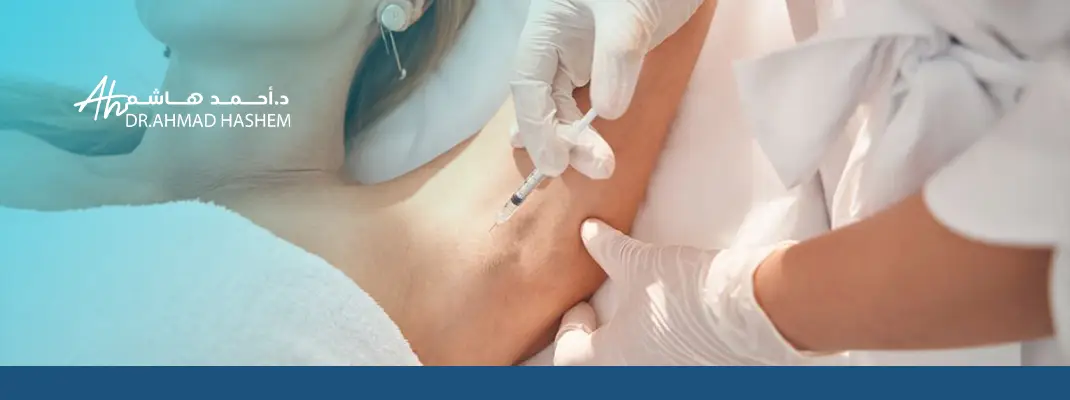
  • How It Works: The procedure stimulates the skin’s natural healing process, leading to the formation of new, healthy skin cells. The new collagen fibers can help smooth out the stretch marks over time.

Radiofrequency (RF) Treatment for Stretch Marks

Radiofrequency stretch marks treatment use thermal energy to stimulate collagen production beneath the skin’s surface. It works by applying heat to the deeper layers of skin, tightening and firming the skin and improving its appearance.

  • Benefits: RF treatment works well for both fresh and mature stretch marks. It can improve skin texture and promote collagen growth, leading to smoother, firmer skin.
  • How It Works: The heat generated by the RF energy helps remodel collagen and promotes tissue regeneration, gradually improving the appearance of stretch marks over time.
  • Read More: Laser Liposuction Explained: Sessions and Final Results

Stretch Mark Prevention Tips

  • Keeping your skin hydrated can improve its elasticity and help prevent stretch marks. Use rich creams or oils containing ingredients like cocoa butter, shea butter, or vitamin E to keep the skin soft and supple.
  • maintaining a healthy weight and losing weight gradually, you can minimize this risk.
  • Exercise can help prevent sudden weight gain and improve skin elasticity.
  •  Strength training exercises help tone the muscles underneath the skin and prevent the skin from stretching too much.
  • A balanced diet rich in vitamins and minerals can help your skin remain healthy. Essential nutrients like vitamin C, zinc, and omega-3 fatty acids support collagen production and skin regeneration.
  • Drinking plenty of water keeps your skin hydrated from the inside, making it more elastic and less prone to damage.
  • Many creams and oils on the market are formulated specifically to prevent stretch marks. Some products contain retinoids, peptides or hyaluronic acid.

If you’re looking for stretch mark removal or advice on how to lose stretch marks, the right treatment can help you restore your confidence and skin’s natural beauty.

Take the first step toward smoother, clearer skin today. Book a consultation with an expert at Dr. Ahmad Hashem’s clinic and explore the best stretch marks treatment​ available. contact us now.


skin-pigmentation​.webp

11 May، 2025 غير مصنف0

Are you tired of battling skin pigmentation that just won’t fade? Whether it’s dark patches from sun exposure, hormonal changes or post-acne marks, pigmentation issues can feel impossible to manage alone

At Dr. Ahmad Hashem’s Clinic, advanced dermatological care meets personalized treatment plans to target even the most stubborn pigmentation. From deep skin pigmentation treatment to fast skin lightening options, our expert team uses safe, scientifically backed methods to give your skin a brighter, smoother future.

In this article, we’ll uncover what causes pigmentation, how to treat it effectively, and why Dr. Ahmad Hashem is the trusted name for skin pigmentation treatment in the region.

What Is Skin Pigmentation?

Skin pigmentation refers to the natural color of your skin, determined by the amount and type of melanin produced by melanocyte cells. When melanin production becomes unbalanced it can lead to visible discoloration or dark patches on the skin. This uneven coloring is known as hyperpigmentation, and it’s a common concern for individuals of all skin types.

Deep skin pigmentation treatment

Common Causes for Skin Pigmentation

1. Genetics

With over 125 genes involved in regulating skin tone, pigmentation levels can vary dramatically from person to person. People with darker skin tones naturally produce more melanin, which offers some protection from UV damage   but also makes them more prone to hyperpigmentation.

2. Sun Exposure

UV rays are among the most powerful triggers of skin pigmentation. When exposed to sunlight, your body increases melanin production to defend against UV-induced cellular damage. Over time, this leads to tanning, freckles, sunspots or melasma. The process begins with UV rays producing free radicals, which then stimulate melanocytes through the enzyme tyrosinase, converting tyrosine into visible melanin.

3. Medications

some antibiotics, hormone therapies and birth control pills  may disturb the natural balance of melanin, causing either hyperpigmentation or hypopigmentation. These changes might be temporary or long-term depending on the drug and individual skin response. 

4. Inflammation & Skin Injury

Any trauma or inflammation to the skin, such as acne, eczema, psoriasis or burns can result in post-inflammatory hyperpigmentation (PIH). This is especially common among people with melanin-rich skin. 

Read More: Ultraformer Treatment: A Revolutionary Solution for Skin Tightening and Facial Lifting

Types of Pigmentation

TypeSymptomsCommon AreasWho It Affects
Age SpotsFlat brown, tan or black spots due to sun exposureFace, hands and shoulders Older adults or anyone with long-term sun exposure
Melasma Large, symmetrical patches of darkened skinForehead, cheeks, upper lip and stomachWomen, especially pregnant women or those on hormonal treatments
Post-Inflammatory Hyperpigmentation (PIH)Dark spots or patches following skin inflammation or traumaAnywhere inflammation occurredPeople with acne, eczema, or any injury or irritation to the skin

Treatment Options for Skin Pigmentation

1. Face Acids

These exfoliate the skin to remove the top layer and promote the emergence of new skin cells, evening out skin tone.
Popular ingredients:

  • Glycolic acid (AHA)
  • Lactic acid
  • Kojic acid
  • Salicylic acid (BHA)
  • Azelaic acid
  • Vitamin C (L-ascorbic acid)

 Best for: Mild hyperpigmentation on fair to dark skin tones.

2. Retinoids

Vitamin A derivatives that penetrate deep into the skin to speed up cell turnover and fade discoloration.
Available as:

  • OTC products 
  • Prescription versions

 Best for: Acne, wrinkles and hyperpigmentation  but may irritate sensitive skin.

3. Chemical Peels

These use concentrated acids to remove the epidermis and reduce pigmentation.
Types:

  • At-home
  • In-office

Risks: Redness, irritation, blistering, especially if exposed to sun post-treatment.

Best for: Age spots, melasma, blotchy skin, and sun damage.

4. Laser Peel (Skin Resurfacing)

Uses ablative or non-ablative lasers to remove or stimulate skin layers.

  • Ablative: Removes layers (more intense).
  • Non-ablative: Stimulates collagen production.

Best for: Fair skin. Not ideal for darker tones due to risk of increased pigmentation.

5. IPL Therapy (Intense Pulsed Light)

A non-invasive light treatment that targets pigmentation and skin texture.

 Ideal for: Flat spots, sun damage, enlarged pores.

Best for: Fair skin.

Read More:Benefits of Laser Skin Rejuvenation for Anti-Aging

skin pigmentation​ Treatment

Skincare Routine Tips to Reduce Pigmentation

To reduce pigmentation, follow a consistent skincare routine that includes a gentle cleanser, exfoliating acids (like glycolic or salicylic acid) and targeted serums with ingredients such as Vitamin C, niacinamide or kojic acid.

 Always moisturize to support skin repair and apply broad-spectrum sunscreen daily to prevent worsening of dark spots. Introduce retinoids gradually for long-term fading of pigmentation, avoid picking at your skin and be patient.visible results can take weeks with consistent care.

Read More: Laser Treatment for Face for Better Skin Glow

How Long Does Pigmentation Treatment Take?

  • Topical treatments (like Vitamin C or retinoids): 2 to 12 weeks to show visible improvement.
  • Chemical peels & microneedling: Often require multiple sessions spaced weeks apart, with results appearing over 1 to 3 months.
  • Laser pigmentation treatment: Most people need 3 to 6 sessions, spaced several weeks apart, with final results appearing after 2 to 6 months.

Why Dr. Ahmad Hashem’s Clinic Is the Go-To for Skin Pigmentation Treatment?

Dr. Ahmad Hashem’s Clinic stands out as a trusted destination for those seeking effective solutions to skin pigmentation problems. With years of experience in dermatology, Dr. Hashem offers precise diagnosis and expert care for various conditions such as melasma, sunspots and post-inflammatory pigmentation.

The clinic is equipped with FDA-approved laser systems and modern equipment that ensure accurate, safe and minimally invasive procedures. Each treatment is customized according to the patient’s skin type, tone and pigmentation severity. This personalized approach maximizes results while minimizing discomfort and downtime.

Patients consistently report high satisfaction thanks to the noticeable improvements in their skin tone and texture. Their trust is further reinforced by real, documented results and positive experiences shared through word-of-mouth and online reviews.

If you are looking for proven skin pigmentation​ Treatment that combines science, technology, and tailored medical care, Dr. Ahmed Hashem’s Clinic is the choice you can rely on.


Eczema-Treatment-Effective-Solutions-for-Healthy-Irritation-Free-Skin-01.webp

6 May، 2025 Blogs0

Eczema is a common skin condition that affects individuals of all ages. It arises from inflammation within the skin and often appears as dryness, redness and persistent itching. While it may seem like a simple rash at first, skin eczema can vary widely in form and severity, depending on the type and underlying cause.

In this guide, we’ll walk you through the different types of eczema, their symptoms and causes, effective eczema treatment options and  why Dr. Ahmad Hashem’s clinic is a trusted destination for diagnosing and treating all forms of eczema, including children’s eczema.

What Are the Main Eczema Types?

  1.  Atopic Dermatitis
  2.  Contact Dermatitis
  3.  Dyshidrotic Eczema
  4.  Nummular Eczema
  5.  Seborrheic Dermatitis
  6.  Stasis Dermatitis

Causes and Triggers of Eczema Flare-Ups

The causes of eczema are often a combination of genetic and environmental factors. One of the most important aspects of managing eczema is understanding what triggers flare-ups in the first place.

The first signs of eczema such as dry skin, itchiness, and red rashes are usually a signal that your skin has come into contact with an environmental trigger. These triggers can vary from person to person but the most common include:

  • Irritants

Soaps, detergents, fragrances and cleaning products can damage the skin barrier and cause irritation.

  • Allergens

Pollen, dust mites, mold, pet dander and certain foods can act as allergens and provoke flare-ups.

  • Weather changes

Cold, dry air or sudden shifts in humidity can lead to skin dryness and exacerbate symptoms.

  • Stress 

Emotional stress has been linked to increased skin inflammation and more frequent eczema episodes.

  • Sweating and heat

 Excessive sweating or overheating can worsen itching and discomfort.

  • Fabric and clothing 

Rough materials like wool or synthetic fabrics may irritate the skin and provoke flare-ups.

  • Hormonal changes

 Eczema may worsen during certain phases of the menstrual cycle or pregnancy.

Read More: Birthmark Laser Treatment: A Clearer Path to Confident Skin

Symptoms of Eczema

  • Dry skin One of the earliest and most persistent symptoms.
  • Itchy skin Often intense and worse at night, leading to scratching that may break the skin.
  • Red or inflamed patches that may appear anywhere on the body, especially in skin folds.
  • Small raised bumps sometimes filled with fluid may develop and ooze when scratched.
  • Repeated scratching can cause the skin to become thickened and rough over time.
  • Flaky, scaly or crusty skin Especially common in chronic eczema, where the skin barrier is compromised.
  • Inflamed areas can become puffy and tender, particularly during an active flare-up.

What Is Treatments for Eczema

Managing eczema requires a comprehensive approach that focuses on soothing symptoms, repairing the skin barrier and preventing flare-ups. While eczema types cannot be permanently cured, several proven treatments can help control the condition and significantly improve daily comfort.

  • Phototherapy involves using ultraviolet (UVB) light in regular sessions at the clinic. This helps reduce inflammation and allows the skin to return to its natural state. 
  • Medications like dupilumab (Dupixent) are biologic injections that target the immune system’s response that causes inflammation. 
  • Laser therapy is sometimes used to help reduce redness or pigmentation left behind after eczema flare-ups.
  • Topical corticosteroids are commonly prescribed to reduce inflammation and relieve itching during flare-ups. These creams are effective in calming irritated skin and preventing further damage. 
  • Keeping the skin hydrated is one of the most important steps in eczema treatment. Regular use of dermatologist-recommended moisturizers helps maintain the skin’s protective barrier and prevents dryness.
  •  Antihistamines may be suggested for those experiencing intense itching  as they help reduce the urge to scratch and allow for better sleep.
  •  light therapy can offer relief by exposing the skin to controlled ultraviolet light under medical supervision. In more advanced cases, injectable biologic medications such as dupilumab target specific immune responses and have shown great success in reducing symptoms and preventing flare-ups.
  • Lifestyle adjustments are also essential. Identifying and avoiding personal triggers like certain soaps, allergens or stress can prevent recurrences and help maintain long-term skin health. 
  • Treatment for children’s eczema are specially tailored to be gentle, safe and effective often involving mild creams and careful skin care routines.
  • Read More: Benefits of Laser Skin Rejuvenation for Anti-Aging

Key Differences: Pediatric vs. Adult Eczema

Children’s eczema typically appears on the cheeks, scalp, arms and legs. In many cases, the skin becomes very dry, itchy and inflamed, which can make children uncomfortable and restless, especially at night. Scratching may cause the affected areas to ooze or become infected, making early and gentle treatment essential. 

Children are also more sensitive to triggers such as certain foods, fabrics or environmental allergens, which means their care often includes a combination of skincare routines and allergen management.

Adult eczema tends to be more chronic and may appear in different areas of the body, such as the hands, neck, eyelids and behind the knees. The skin in adults often becomes thicker, more leathery and prone to discoloration due to repeated scratching and inflammation. Stress and hormonal fluctuations are also more common triggers in adult patients. Adults may experience longer-lasting flare-ups and need a more advanced skincare regimen, including prescription medications and lifestyle adjustments, to keep skin eczema under control.

Why Dr. Ahmad Hashem’s Clinic Offers Exceptional Care for Eczema Types?

At Dr. Ahmad Hashem’s clinic, patients receive world-class dermatological care grounded in the latest medical research and delivered with a deeply personalized approach.

his medical team are known for their use of advanced therapies including biologics, light therapy and non-steroidal options combined with practical education on daily skincare, allergen avoidance and long-term prevention strategies. Patients also benefit from follow-up care that ensures lasting results and minimizes the risk of relapse.

Whether you’re dealing with any eczema types for the first time or have been struggling with chronic symptoms for years, Dr. Ahmad Hashem’s clinic offers a trusted path toward clearer, healthier skin. 

From the moment you step in, you’ll feel the difference in care that is both compassionate and clinically precise.

If you’re struggling with eczema  don’t wait any longer to seek relief. Dr. Ahmad Hashem’s clinic offers personalized, expert care to help you manage and treat your eczema effectively. 

Book your consultation today and start your journey towards clearer, itch-free skin.


Birthmark-Laser-Removal-–-Clear-Smooth-Skin.webp

6 May، 2025 Blogs0

Birthmark laser treatment is more than just a cosmetic fix it’s a transformative option that can help you feel more confident and comfortable in your own skin. Whether you’ve lived with a prominent mark since childhood or developed one over time this advanced treatment offers a non-invasive effective way to reduce or remove visible birthmarks safely.

Laser therapy stands out for its precision and minimal downtime, making it an ideal choice for those who want visible improvement without surgical intervention.

Let’s explore how laser treatment works, its types, benefits and why so many patients choose Dr. Ahmad Hashem’s clinic for safe, expert-guided birthmark removal.

What Is Birthmark Laser and How Does It Work?

Laser Therapy for Birthmarks is especially effective for pigmented and vascular birthmarks, including blue birthmarks, black birthmarks, and even stubborn marks on the face or back.

The laser works by emitting specific wavelengths of light that are absorbed by the pigment (melanin) or blood vessels in the birthmark. This energy breaks down the excess pigment or closes off abnormal blood vessels—depending on the birthmark type—without damaging the surrounding skin.

Over time, the treated area becomes lighter and smoother as your body naturally flushes away the broken-down pigment or absorbed vessels. The process is precise, safe, and customized based on the size, color, and location of your birthmark.

Laser technology used in these treatments is FDA-approved, and commonly includes devices like Q-switched lasers for pigmented birthmarks and pulsed dye lasers for vascular ones. Sessions are typically spaced a few weeks apart, and multiple treatments may be required for optimal results.

Types of Birthmarks Suitable for Laser Treatment

1. Pigmented Birthmarks (Melanin-Based)

These birthmarks are caused by an excess production of melanin and They typically appear as brown, tan or black marks. 

2. Vascular Birthmarks (Blood Vessel-Based)

Vascular birthmarks are caused by abnormal blood vessels forming under the skin. These birthmarks are typically red, pink or purple.

3. Combination Birthmarks

In some cases, individuals may have birthmarks that involve both pigmented and vascular components. These combination birthmarks can be addressed by using a combination of laser techniques tailored to treat both types of issues.

Read More: Laser Liposuction Explained: Sessions and Final Results

Birthmark Laser

Benefits of Birthmark Laser​

  • No surgery required, minimal discomfort.
  • Treatment lasts 15-30 minutes with no downtime.
  • Focuses on the birthmark, preserving surrounding skin.
  • Reduces risk of scarring compared to traditional methods.
  • Gradual fading for a smooth, clear appearance.
  • Suitable for different skin tones and types.
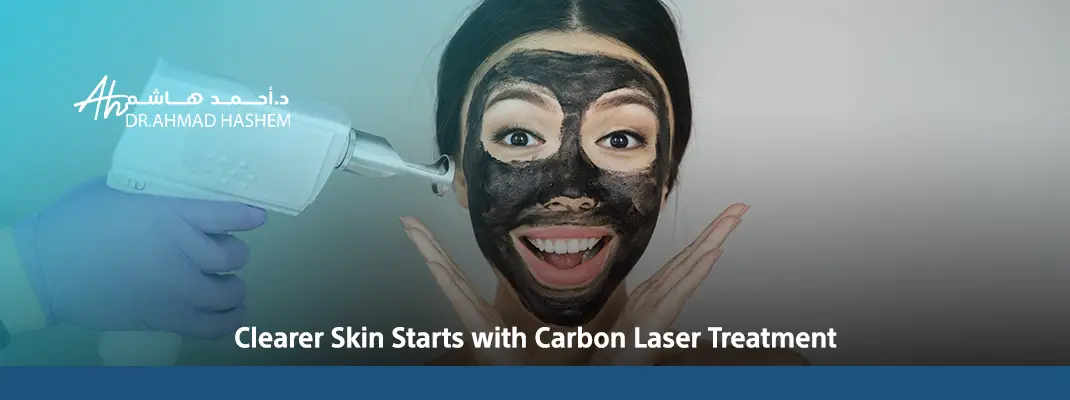
  • Results last for years with proper care.
  • Improved appearance leads to better self-esteem.

Laser Treatment for Birthmark on Face

Laser treatment for birthmarks on the face is a safe and effective solution for reducing or removing unwanted marks without the need for invasive surgery. 

Laser therapy works by targeting the specific pigments or blood vessels responsible for the appearance of the birthmark. The laser’s energy breaks down these pigments or abnormal blood vessels, allowing the body to naturally eliminate them, leaving behind clearer more even skin.

Whether it’s a blue birthmark, black birthmark or other types, laser treatment for the face can significantly reduce their visibility, improving your skin’s overall appearance and boosting your confidence.

How to Prepare for Your Birthmark Laser Treatment

  1. Schedule a meeting with your specialist to discuss your birthmark and treatment options.
  2. Stay out of the sun and use sunscreen in the weeks leading up to the treatment.
  3. Stop using products with retinoids, AHAs, or exfoliants to prevent irritation.
  4. Shave and clean the treatment area before your session.
  5. Ensure you are hydrated and have a meal before your appointment.
  6. Arrange for assistance post-treatment and have soothing creams ready for any swelling or redness.
  7. Discuss pain management options with your doctor if you are concerned about discomfort.

Read More: Best Laser Clinic in Jeddah – Top Treatments & Results

Birthmark laserl Cost

Factors like the type of birthmark, its size and the number of sessions required can affect the overall price. 

However, many patients find that the benefits of the treatment far outweigh the cost as it provides a long-term solution for birthmark removal.

Birthmark Laser

Why Choose Dr. Ahmad Hashem’s Clinic for Birthmark laserl?

Dr. Ahmad Hashem’s clinic is known for its combination of advanced technology, safety and patient care. With years of experience and a deep understanding of dermatological treatments, Dr. Hashem ensures that each patient receives personalized care tailored to their specific needs. The clinic’s commitment to expertise and cutting-edge laser technology helps patients achieve effective and safe birthmark removal.

One of the reasons so many patients choose Dr. Hashem’s clinic is the high level of safety and care offered during treatments. The clinic uses the latest laser technology, allowing for precise and effective treatment while minimizing the risk of complications.

 Dr. Hashem’s expertise ensures that each treatment is customized to the patient’s unique birthmark, making the process as smooth and risk-free as possible. 

FQA for Birthmark laser

How Laser Therapy Targets Blue Birthmarks?

Laser treatment for blue birthmarks effectively targets the pigment in these marks using specific wavelengths of light. This targeted approach helps to break down the pigment, leading to a clearer and more even skin tone.

Laser Treatment for Black Birthmarks:Does It Work?

Black birthmarks can be stubborn but laser therapy provides a precise and effective way to reduce their appearance. The energy from the laser breaks down the pigment, leading to a smoother more even skin surface.

Is Laser Birthmark Removal Permanent?

Laser treatments can provide long-lasting results, with many patients seeing permanent improvements in the appearance of their birthmarks.

 However, the longevity of the results depends on the type of birthmark and the patient’s skin response to the treatment.

Birthmark laser treatment offers a safe, non-invasive solution to reduce or remove visible birthmarks and giving you smoother skin. With advanced laser technology and expert care, Dr. Ahmad Hashem’s clinic provides effective treatments tailored to your unique needs.

Take the first step towards a clearer, more confident appearance. Contact us today to learn more about how laser treatment can enhance your skin.


Mesotherapy-for-Belly-Fat-–-Slim-Tone-Your-Body.webp

6 May، 2025 Blogs0

If endless diets and workouts haven’t flattened your stomach, it’s time to consider a smarter solution. Mesotherapy for belly fat is a cutting-edge, non-surgical treatment that targets localized fat deposits with precision. By injecting powerful fat-dissolving agents into the skin layer, it helps break down fat, smooth cellulite and tighten the skin without downtime or invasive procedures.

What is Mesotherapy for Belly Fat?

At Dr. Ahmad Hashem’s clinic, we use advanced Mesolipo injection techniques under the supervision of experienced specialists to help you reshape your midsection safely and effectively. Whether you’re battling post-pregnancy belly fat or simply want a smoother, firmer appearance, mesotherapy offers a modern solution trusted by many.

Mesotherapy for belly fat is a non-surgical cosmetic technique that involves injecting a customized solution directly into the third layer of the skin (the mesoderm) in the abdominal area. These injections known as Mesolipo injections contain a powerful blend of vitamins, enzymes, plant extracts and Phosphatidylcholine (PC), a compound that helps break down and dissolve stubborn fat deposits beneath the skin.

The primary goals of this treatment include:

  • Eliminating excess fat in the abdominal area.
  • Tightening loose or sagging skin.
  • Reducing cellulite and white stretch marks.
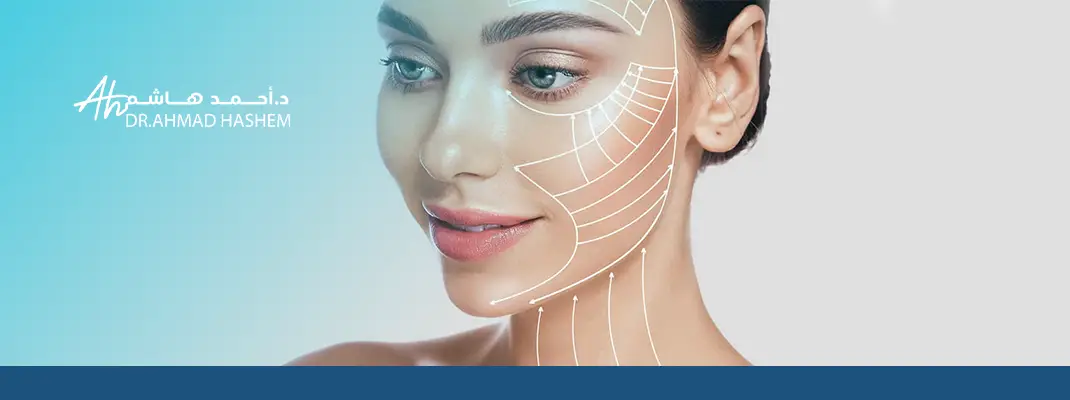
  • Reshaping the body contour naturally and safely.
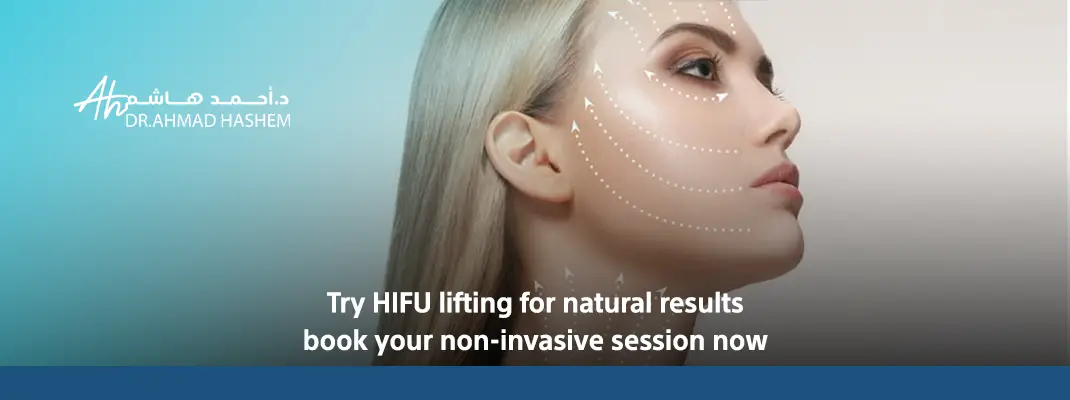
  • Read More: Botox Hair Treatment Guide: Benefits ,Results

Type of Mesotherapy

  1. Fat Reduction (Mesolipo):
    Targets belly fat and other areas using fat-dissolving injections.
  2. Cellulite Treatment:
    Improves skin texture and reduces the appearance of cellulite.
  3. Skin Rejuvenation (Mesoglow):
    Hydrates and brightens the skin.
  4. Hair Loss Treatment (Mesohair):
    Stimulates hair growth by injecting nutrients into the scalp.
  5. Pigmentation Control:
    Lightens dark spots with agents like glutathione and vitamin C.c

Read More: Chin Filler Treatment for a Defined Jawline

Mesotherapy for Belly Fat

Ingredients in Mesotherapy for Belly Fat Injections

  • Phosphatidylcholine (PC):
    A natural compound that breaks down fat cell membranes, allowing fat to be eliminated by the body’s metabolism. 
  • Deoxycholic Acid:
    Helps emulsify and break down fat deposits.
  • L-Carnitine:
    An amino acid that boosts fat metabolism and improves energy use within the cells, helping to accelerate the fat-burning process.
  • Hyaluronic Acid:
    Hydrates and plumps the skin to prevent sagging and support smooth texture after fat reduction.
  • Vitamins:
    Support skin regeneration, boost circulation and encourage collagen production

How Does Mesolipo Injection Work?

It is a form of Mesotherapy lipolysis, work by targeting localized fat deposits to reduce them without surgery. To begin the procedure, the treatment area is first numbed with a local anesthetic cream ensuring that the patient experiences minimal discomfort. Once the area is numbed, a series of injections are administered into the middle layer of the skin typically at a depth of 1–4 mm.

The injections contain a mixture of phosphatidylcholine, enzymes and other compounds that break down fat cells. This solution works to dissolve the accumulated fat under the skin, targeting areas such as the abdomen, thighs or arms. 

Read More: Fractional Laser Treatment: Benefits, Recovery

How Many Sessions Are Needed?

The number of Mesolipo sessions required varies from person to person. In some cases, one session may be enough to achieve the desired results, while in other instances, patients may require 3-4 sessions for optimal fat reduction. 

The interval between sessions typically starts at 10 days with subsequent sessions spaced out to every two weeks or even monthly depending on the patient’s needs and progress.

The total number of sessions will depend on several factors including the area being treated and the amount of fat that needs to be dissolved. Each individual’s response to the treatment may vary and the number of sessions can be adjusted based on how quickly the body responds to the injections.

How to Prevent Infection After Mesolipo Injections

  • Gently cleanse the treated area with mild soap and water.
  • Apply any prescribed antibiotic cream as directed to prevent infection.
  • Do not touch the treated area with unclean hands.
  • Refrain from strenuous activities for at least 24-48 hours post-treatment.
  • Monitor for signs like increased redness, pain or pus and seek medical attention if needed.
  • Regular follow-ups help ensure proper healing and address any concerns.

What Are the Side Effects of Mesolipo Injections?

Mesolipo injections are generally safe but may cause mild side effects such as swelling, bruising, redness or tenderness at the injection site.

 In rare cases itching, or nausea can occur. These effects are usually temporary and resolve on their own. Following proper aftercare can help minimize risks and discomfort.

Mesotherapy for Belly Fat

Why Choose Dr. Ahmad Hashem’s Clinic for Mesolipo Injections?

At Dr. Ahmad Hashem’s clinic we take pride in offering top-tier cosmetic treatments including Mesolipo injections for those looking to contour their body and reduce stubborn fat without the need for invasive surgery. With years of expertise in non-surgical aesthetic procedures, Dr. Ahmad Hashem and his team ensure each patient receives personalized care attention to detail and results that meet their expectations.

Our clinic is equipped with the latest technology and FDA-approved products to provide safe and effective Mesolipo treatments. 

Dr. Hashem’s clinic stands out due to the focus on patient safety and comfort. We take the time to understand your unique body goals and design a treatment plan specifically for you. Our professional staff is dedicated to ensuring that the entire process. We prioritize clear communication and provide detailed aftercare instructions to ensure optimal results.

In addition, our clinic offers a welcoming where patients can feel comfortable and confident throughout their treatment journey. Whether you’re looking to target stubborn belly fat, cellulite or other problem areas we are here to guide you through the process and help you achieve a slimmer more toned appearance.

FQA

 What makes Mesolipo injections effective for belly fat?

Mesolipo injections are highly effective for targeting stubborn belly fat as they contain a blend of Phosphatidylcholine, enzymes, and other active ingredients that break down fat cell membranes. This allows the fat to be metabolized and eliminated by the body, reducing fat accumulation and helping reshape the abdomen.

 How long does a Mesolipo treatment session last?

 Each Mesolipo treatment session typically takes between 20 to 30 minutes, depending on the area being treated. After the procedure, you can immediately return to your regular activities, making it a quick and convenient option for fat reduction.

Is Mesotherapy Effective?

Yes, Mesotherapy effectively targets fat, improves skin tone and reduces cellulite. Results vary but many see improvement after a few sessions especially with proper aftercare.

Don’t let stubborn belly fat hold you back any longer. Discover the power of Mesotherapy for belly fat and enjoy a smoother, firmer midsection without the need for invasive surgery. Contact Dr. Ahmad Hashem’s clinic today to schedule your consultation and take the first step toward a more confident you.


Nose-Thread-Lift-–-Define-Lift-Without-Surgery.webp

5 May، 2025 Blogs0

The Nose Thread Lift has become one of the most popular non-surgical aesthetic procedures in recent years, offering an effective alternative to traditional rhinoplasty.

 With minimal downtime and immediate results, this treatment helps to lift, shape and refine the appearance of the nose without the need for invasive surgery. 

In this article, we will explore the benefits, and frequently asked questions about Nose Thread Lift, helping you make an informed decision about this revolutionary procedure and why so many patients trust Dr. Ahmad Hashem’s clinic…

What is a Nose Thread Lift and How Does It Work?

A Nose Thread Lift is a non-surgical, minimally invasive and reversible procedure designed to enhance the shape of the nose. It is a more affordable option compared to traditional rhinoplasty, though the results are temporary and require periodic touch-ups. Here’s how it works:

  • PDO Threads: The procedure uses synthetic and dissolvable threads made from polydioxanone (PDO), a medical-grade suture material that is non-allergic or absorbable by the body over time.
  • MINT Tip Threads: These specialized threads are barbed, allowing them to stay securely in place and grip the underlying tissue which helps pull the skin taut.
  • Scaffolding Effect: The threads act as a scaffolding structure that contours and reshapes the nose to achieve the desired appearance.
  • Immediate Lift: The lifting effect is immediate as the threads compress and elevate the underlying tissues, creating an instant nose lift.
  • Collagen Stimulation: As the threads dissolve, they stimulate collagen production in the skin, which provides long-term structural support and enhances the lift over time.
  • Gradual Regeneration: While the immediate lift is visible, the regenerative effect continues as collagen is stimulated, helping the nose maintain a youthful and lifted appearance.
  • Read More: Non-Surgical Facelift: The Ultimate Guide to Youthful Skin

Nose Thread Lift Benefits

  1. The treatment can be completed in under an hour, making it an efficient option for those with busy schedules.
  2. avoids the risks associated with surgery and general anesthesia, providing a safer alternative.
  3. you can resume your daily activities immediately after the procedure, making it convenient for those who want to maintain their lifestyle without interruption.
  4. more affordable than a traditional rhinoplasty, even when factoring in touch-ups over time, making it an attractive option for those on a budget.
  5. Since the results are not permanent, you can simply wait 6-8 months for the threads to dissolve naturally if you’re not satisfied with the outcome, offering flexibility and peace of mind.

Read More: ?Carbon Laser for Acne: Can It Help

Nose Thread Lift

What to Expect After a Nose Thread Lift? Swelling and Recovery

While the Nose Thread Lift is minimally invasive, some patients may experience mild nose thread lift swelling​ and bruising around the treated area.

 This is temporary and usually subsides within a few days. Most individuals are able to resume normal activities after 1–2 days, although it’s recommended to avoid heavy physical activity for a short period to prevent excessive swelling.

Nose Thread Lift Side Effects – Summary

  1. Swelling and Bruising: Common after the procedure, typically subsiding within a few days.
  2. Pain or Discomfort: Mild discomfort or tightness may occur, usually resolving within a few hours to days.
  3. Asymmetry or Uneven Results: Rare but can be corrected with follow-up treatments.
  4. Infection: A slight risk if aftercare instructions aren’t followed properly.
  5. Thread Migration or Visibility: Threads may move or become visible if not placed correctly.
  6. Allergic Reactions: Very rare as PDO threads are biocompatible but may still occur.
  7. Numbness or Tingling: Temporary and usually resolves within days or weeks.

Why So Many Patients Trust Dr. Ahmad Hashem’s Clinic

Dr. Ahmad Hashem is a highly skilled and certified dermatologist with years of experience in non-surgical aesthetic treatments. His expertise in procedures like the nose thread lift ensures that patients receive the best care possible and is equipped with the latest, most advanced technology to perform treatments like the nose thread lift. 

Dr. Hashem and his team take the time to understand each patient’s unique needs and goals. This personalized approach ensures that every treatment plan is tailored to achieve the best possible results for each individual. Patient safety and comfort are top priorities With a modern, welcoming environment, patients feel at ease throughout their treatment journey.

The clinic is known for its excellent results and high patient satisfaction And offers competitive and transparent pricing for its services.

Read More: Gummy Smile Botox: Real Results or Hype?

Nose Thread Lift

FAQ

How Long Does a Nose Thread Lift Last?

The results of a Nose Thread Lift can last anywhere from 12 to 18 months, depending on factors such as skin type, age, and the number of threads used.

 Is the Nose Thread Lift Painful?

Most patients experience minimal discomfort, with only mild sensations during the procedure. Local anesthesia is usually applied to ensure a painless experience.

 Can I Return to Normal Activities After a Nose Thread Lift?

Yes, most people can return to their normal activities within a day or two, although it’s recommended to avoid strenuous activities for a short period after the procedure.

Is a Nose Thread Lift Dangerous?

A Nose Thread Lift is typically safe when done by a skilled professional. While rare, risks like infection, thread displacement, or skin dimpling can occur.

 Choosing an experienced clinic and following aftercare instructions carefully can minimize these risks.

WHAT IS Nose Thread LIft Cost​ in Jeddah?

Generally, the price for a Nose Thread Lift ranges between SAR 2,500 to SAR 8,000 per session.

At Dr. Ahmad Hashem’s clinic, you’re in expert hands. Benefit from years of experience, personalized care, and the latest technology. Ready to achieve your desired nose shape?
Book your consultation today and take the first step toward a more confident you>


Ultraformer-Treatment-–-Non-Surgical-Skin-Tightening-1.webp

5 May، 2025 Blogs0

Ultraformer treatment is more than just a skin procedure; it’s a solution that can significantly boost your confidence and restore a youthful appearance. 

Ultraformer stands out for its non-invasive approach and effective results. Whether you’re dealing with sagging skin, fine lines or just want to enhance your facial contours, Ultraformer offers a tailored solution to meet your needs. 

Let’s explore how Ultraformer works, its benefits, treatment options and why so many patients trust Dr. Ahmad Hashem’s clinic for the best in non-surgical skin tightening…

What is Ultraformer Treatment and How Does It Work?

Ultraformer III is a non-invasive ultrasound-based treatment that delivers focused energy deep into the skin layers. It targets the SMAS layer which is the same layer treated during surgical facelifts and stimulating natural collagen production without cutting or needles

This procedure:

  • Lifts and tightens sagging skin on the face and neck.
  • Reduces fat in stubborn areas like the jawline and double chin.
  • Contours the face to create a slimmer, V-shaped appearance.
  • Smooths wrinkles and improves skin elasticity.

Benefits of Ultraformer Treatment

  • Reduces sagging jowls and double chin by targeting fat and tightening the skin in lower face areas.
  • Lifts and tightens facial skin and providing a non-surgical solution to saggy cheeks and jawline.
  • Stimulates collagen production deep in the skin and  restoring firmness.
  • Enhances facial contour and helping you achieve a slimmer and defined V-shape look.
  • Softens wrinkles around delicate areas like the eyes, forehead and neck for smoother skin.
  • Lifts droopy eyelids and eyebrows, giving your face a refreshed, youthful appearance.
  • Read More: Gummy Smile Botox: Real Results or Hype?
  • Ultraformer Treatment

Who Is Ultraformer Best For?

  • People who has skin laxity or facial sagging 
  • Individuals with mild to moderate skin drooping
  • Patients wanting to delay the need for surgery
  • Anyone seeking to enhance skin tone and firmness in a natural way

How Many Shots of ultraformer treatment​ Do You Need?

  • Cheeks: 400–600 shots
  • Double Chin: 400–600 shots
  • Forehead and Brow Lift: 200–400 shots
  • Full Face: 200–400 shots
  • Neck: 200–400 shots
  • Arms: 600–1000 shots
  • Thighs: 1000–2000 shots
  • Abdomen: 1000–2000 shots
  • Read More: Laser Liposuction Explained: Sessions and Final Results

How Long Does Ultraformer Last?

Most patients enjoy visible results after a single session, with optimal results appearing within 2 to 3 months as collagen production continues.

 The effects of Ultraformer treatment can last up to 12 months, depending on age, skin condition and lifestyle. 

Why Choose Dr. Ahmad Hashem’s Clinic for Ultraformer Treatment?

Choosing Dr. Ahmad Hashem’s clinic means receiving expert-level care in a modern, professional setting. With locations in Jeddah and Alexandria, the clinic is known for:

  • Certified dermatologists with deep expertise in Ultraformer III.
  • Latest non-invasive technologies.
  • Personalized skin assessments and treatment plans.
  • High patient satisfaction and trusted results.
  • Has the best Ultraformer treatment price.
  • Ultraformer Treatment

FQA

What is the Best Age for Ultraformer Treatment?

The ideal age is between 30–60 years, but even people in their late 20s use it to prevent signs of aging. 

Is Ultraformer Treatment Painful?

Ultraformer is generally well-tolerated by most patients. You may feel a slight tingling or heat sensation during the procedure, but it’s usually not painful. 

How Many Sessions of Ultraformer Do I Need?

Most people see noticeable results after just one session, but depending on skin condition and treatment goals 2–3 sessions spaced a few months apart may be recommended. Your dermatologist will determine the best plan for you.

Take the First Step Toward Firmer, Youthful Skin

If you’re looking for a non-surgical way to lift, tighten and rejuvenate your skin, Ultraformer treatment is the answer. 

At Dr. Ahmad Hashem’s clinic that has the best Ultraformer treatment in Jeddah, you’re not just getting a treatment. you’re getting results you can trust. Appointments are limited due to high demand, so book your consultation today and experience the transformation for yourself.


جميع الحقوق محفوظة للدكتور أحمد هاشم

جدول المحتويات